Iran12 July, 20263 min read
United Kingdom, France, and Germany Activate Snapback Mechanism Restoring UN Sanctions Against Iran
This article is an automated aggregation of coverage from news outlets. Our editorials offer in-depth analysis curated by the NewsCord team.
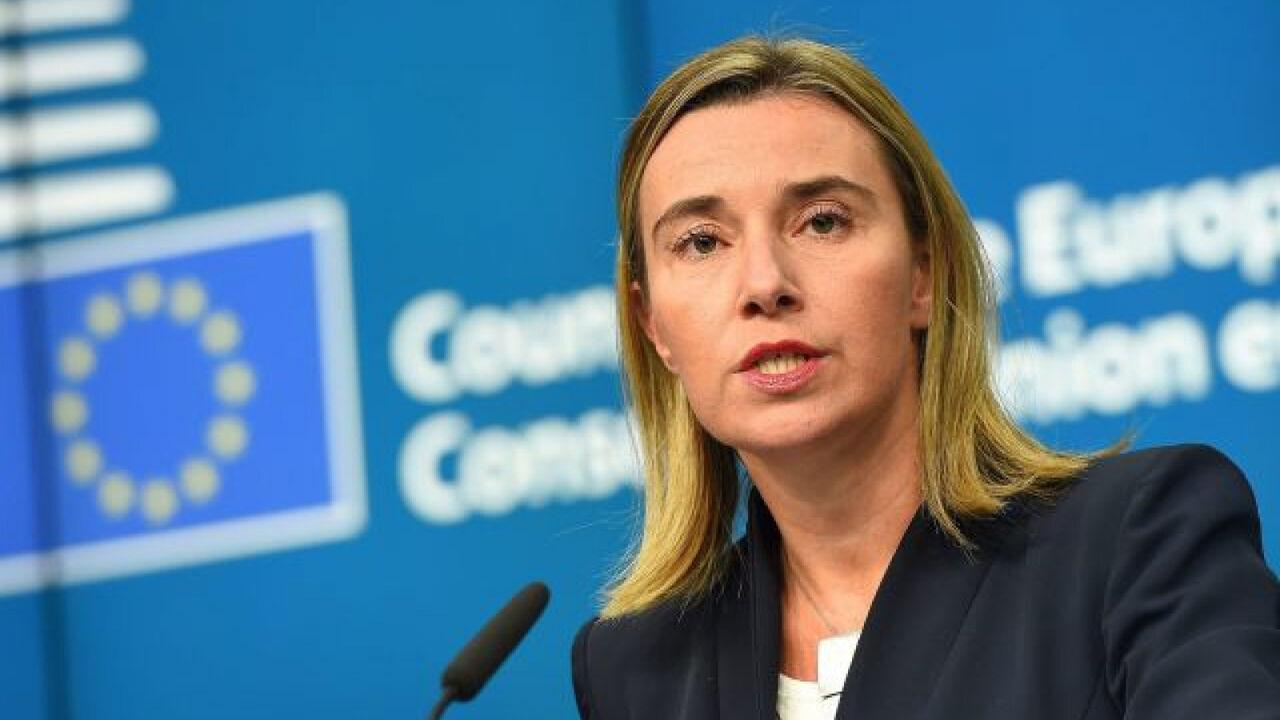
UK, France, and Germany began activating the UN snapback to restore sanctions on Iran. Activation occurred on August 28, 2025.
Snapback begins
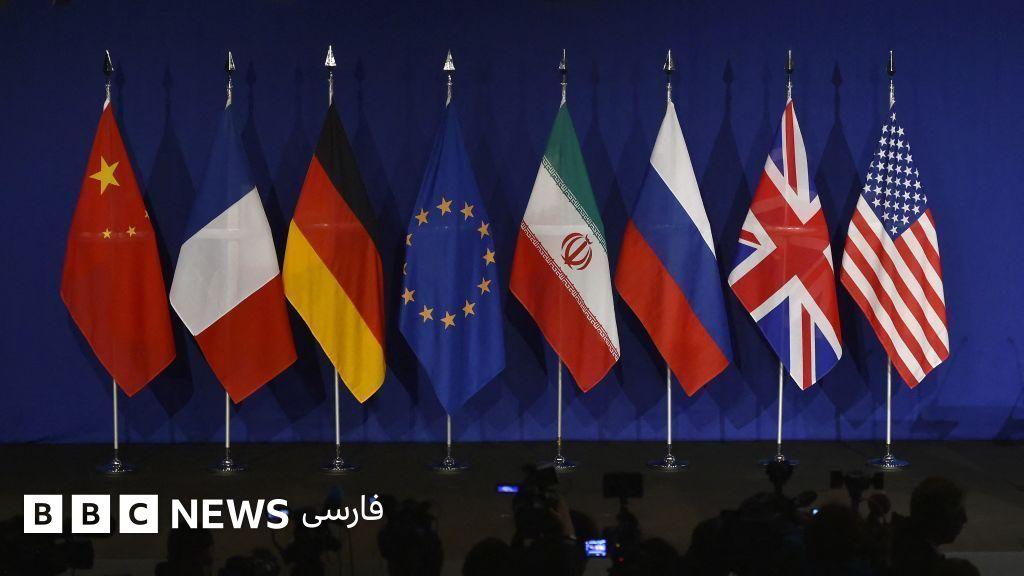
On Thursday, August 28, 2025, the United Kingdom, France, and Germany began the process of activating the snapback mechanism to automatically restore international sanctions against Iran by sending letters to the UN Security Council. The BBC frames the question as what the snapback mechanism would mean for Iran, describing it as a tool in the JCPOA that can restore international sanctions if Iran violates its commitments. The BBC’s account ties the move to UN Security Council Resolution 2231, adopted in 2015 to implement the JCPOA, and notes that some key provisions, including the possibility of activating the snapback mechanism in October 2025 (Mehr 1404), will expire.
The BBC also says the process is triggered after Iran’s decision to suspend voluntary cooperation with the International Atomic Energy Agency following military attacks by Israel and the United States on nuclear facilities. In the BBC’s description of the mechanism, if any permanent member of the Security Council vetoes the resolution, UN sanctions are automatically reinstated without the need for another vote, making it an “automatic return of sanctions.”
Ceasefire collapse
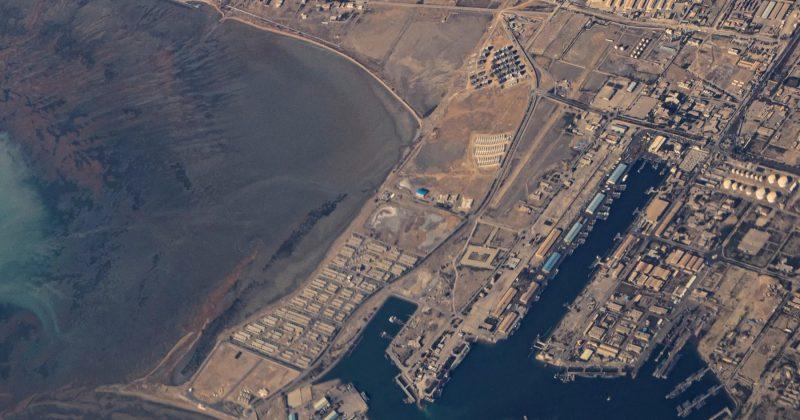
A separate account in Crypto Briefing says the United States conducted a fifth wave of strikes after a ceasefire agreement signed three weeks ago collapsed, with new explosions reported in Bandar Abbas and Qeshm Island. Crypto Briefing says the ceasefire was initially established by a Memorandum of Understanding on June 17, and it collapsed after Iranian attacks on commercial vessels in the Strait of Hormuz, prompting U.S. retaliation. The Organiser article describes the same June 17 Islamabad Memorandum of Understanding as a 60-day framework intended to permanently resolve the 2026 Iran War and to reopen the Strait of Hormuz, but it says the agreement was teetering on absolute collapse less than a month later.
On July 7, 2026, the Organiser says President Trump declared the truce effectively following a barrage of fresh military exchanges. In Crypto Briefing’s account, CENTCOM described the strikes as retaliation against Iran’s targeting of shipping routes, and it says negotiations have stalled despite “technical talks.”
Sanctions, politics, and risk
Tabnak, citing EconomyNews, says reformist candidate Masoud Pezeshkian—described as a cardiac surgeon and member of parliament who served as health minister from 2001 to 2004—faces Iran’s top responsibilities after Ebrahim Raisi’s death in a helicopter crash. Tabnak quotes diplomat and former Iranian nuclear negotiator Seyed Hossein Mousavian arguing that decision-making about the agreement is influenced by bodies such as the Supreme National Security Council, not only the president. Tabnak also says Mousavian frames the negative impacts of U.S. sanctions as undeniable, stating that when Donald Trump was in power Washington imposed 1,500 sanctions and the Biden administration added hundreds more.
The BBC’s account warns that with the activation of the snapback mechanism, Iran could face broad international sanctions at a time when its economy is in a very precarious state. In the BBC’s description of the JCPOA dispute resolution pathway, the matter can be referred to the United Nations Security Council after 35 days, where the Security Council should vote within 30 days on whether to continue the suspension of sanctions.