Technology and Scienceupdated 1h ago2 min read
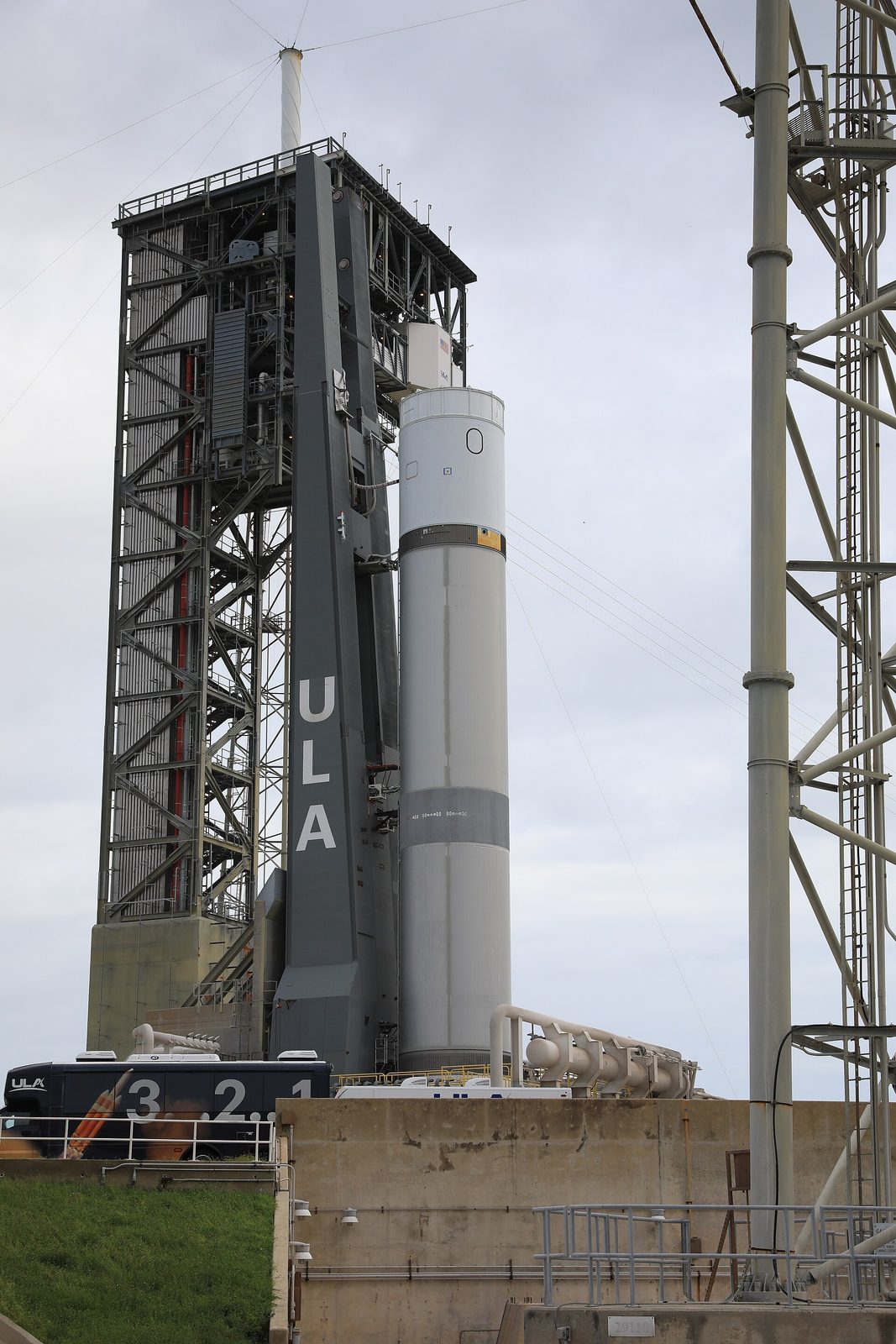
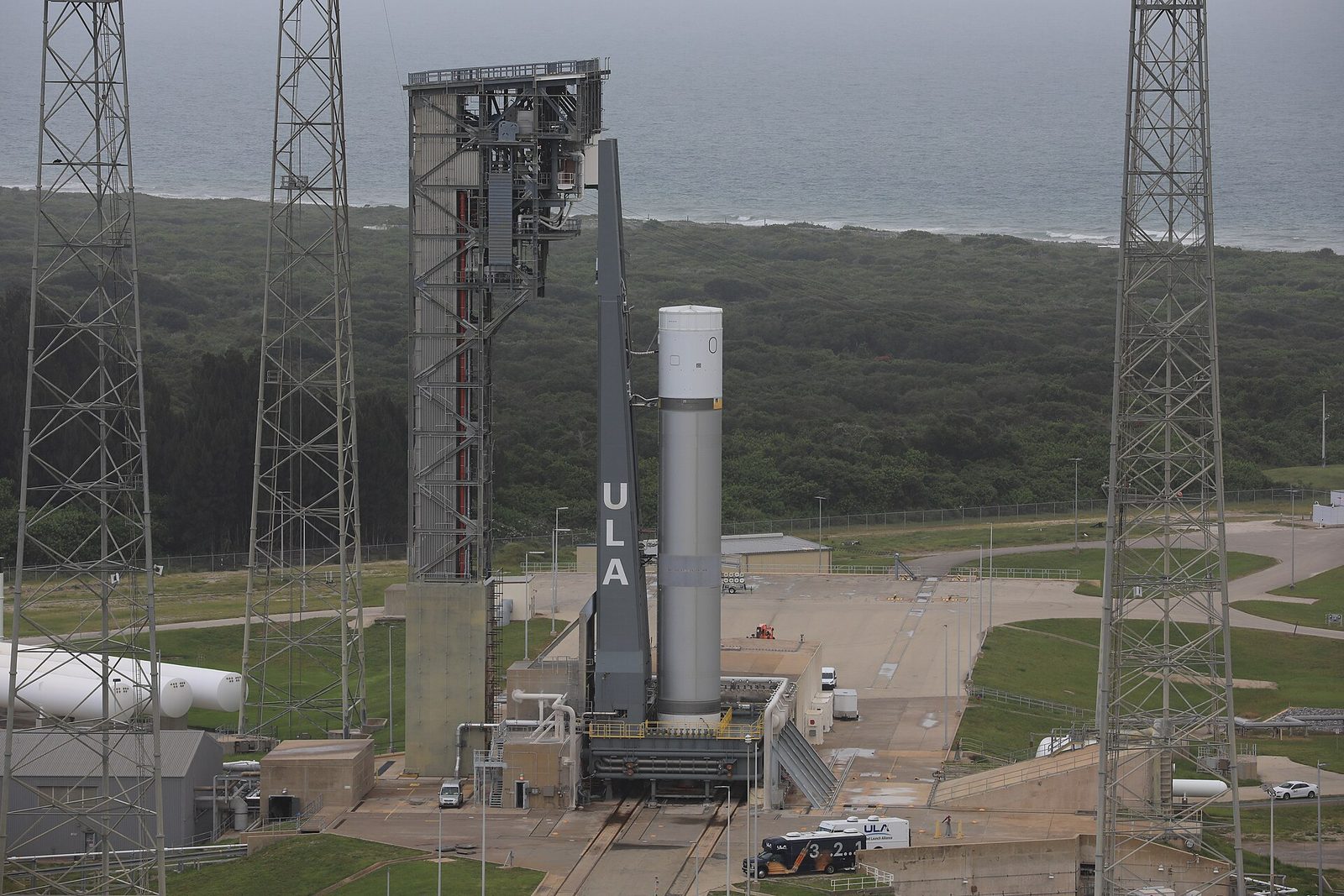
Archive photo · 26 August 2021United Launch Alliance Sets November 13 Return To Flight For Vulcan Leo 1 From Cape Canaveral
3 Other1 Local Western1 Western MainstreamPhoto: Kim Shiflett / US federal government, Public domain · Cropped for layout
This article is an automated aggregation of coverage from news outlets. Our editorials offer in-depth analysis curated by the NewsCord team.
ULA plans Vulcan return-to-flight on November 13 from Cape Canaveral Space Launch Complex 41. Mission carries 40 satellites for Amazon's Leo broadband constellation, first of 38 Vulcan flights.
Vulcan Returns Nov. 13
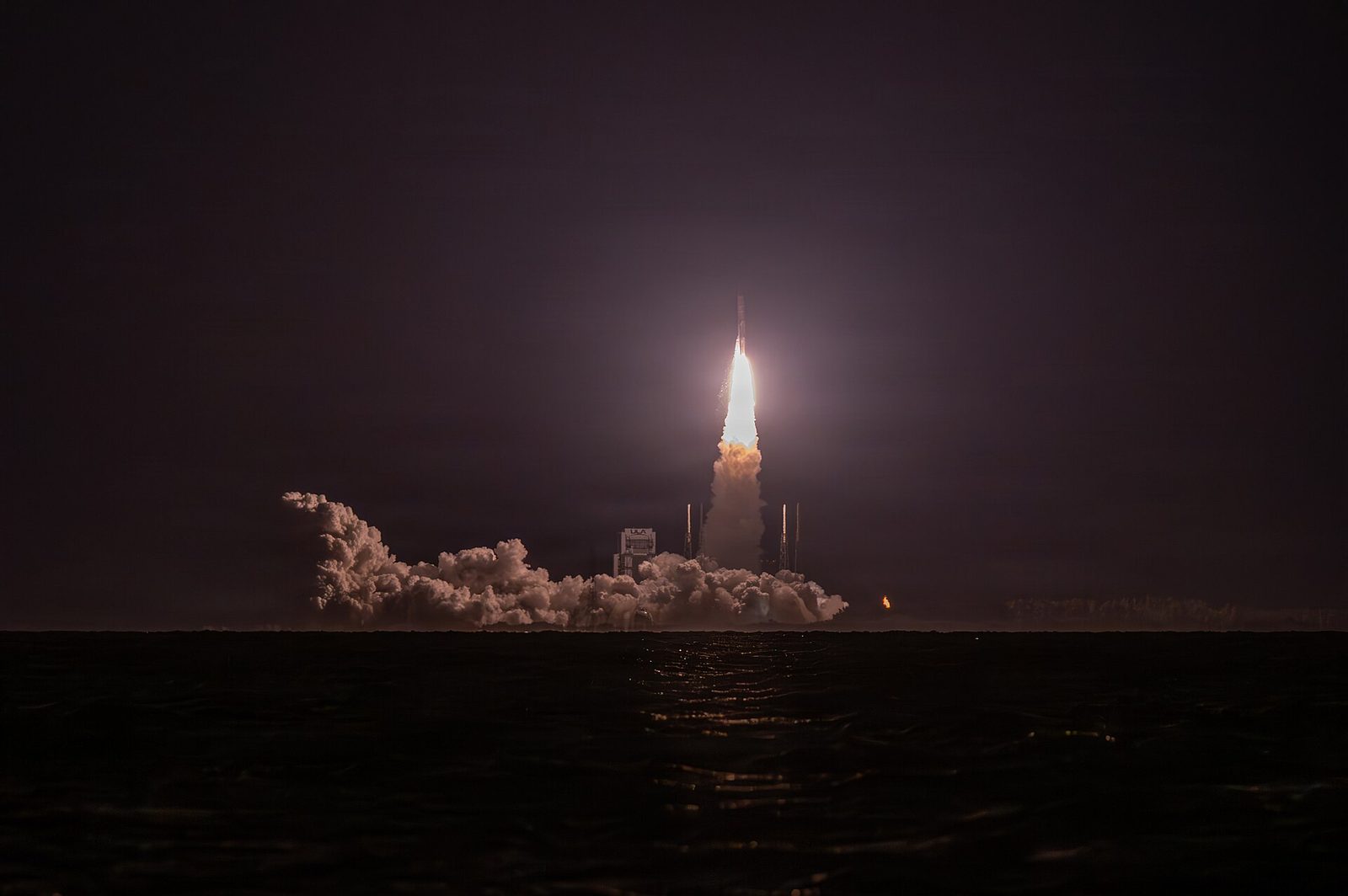
United Launch Alliance said it plans to return its Vulcan rocket to service on November 13, ending a nine-month grounding after a solid rocket booster anomaly threw its 2026 launch schedule into oblivion. ULA said the return-to-flight mission will launch 40 satellites for the Amazon Leo broadband constellation, and it will lift off from Cape Canaveral Space Force Station, Florida, pending range approval.
The Vulcan Leo 1 mission will be the fifth flight of Vulcan since it debuted in 2024, and it will be the first time it has been fitted with six strap-on solid rocket boosters. ULA said engineers “made great strides” in understanding the booster anomaly that occurred in February, and it said “To support our customers, this upcoming launch will utilize the improved nozzle design.”
Nozzle Fix and Scrutiny
ULA said the integrated team identified several potential contributors and mitigated them through design and process improvements to the nozzle, and it said additional testing and analysis will continue in parallel with the mission. Nozzle failures on the Northrop Grumman-built solid rockets put Vulcan flights on hold earlier this year, and it described a similar nozzle failure less than 30 seconds into Vulcan’s fourth flight in February 2026 on the USSF-87 mission.
Officials at the US Space Force, ULA’s primary customer, lost confidence in Vulcan after the February booster incident, and Space Force officials will closely scrutinize the return-to-flight mission. ULA did not provide specific details about the investigation findings, but it quoted ULA saying the improved nozzle design will be flown and that “By flying the improved design, ULA gains valuable flight data.”
Amazon Leo and Next Steps
The Vulcan rocket’s launch, its fourth launch overall, will occur no earlier than Friday, November 13 from Launch Complex 41 at Cape Canaveral Space Force Station, pending approval from the U.S. The mission will carry the next batch of production satellites for Amazon Leo, and it described Vulcan Leo 1 as the first planned launch of Vulcan’s most powerful configuration with six solid rocket boosters.
The Vulcan Leo 1 mission will add to the nearly 400 Amazon Leo satellites currently on orbit, and it said the satellites will be deployed from an adapter on the Centaur upper stage over the course of about half an hour. The Pentagon has entrusted ULA’s Vulcan rocket for roughly half of its major launches through the early 2030s, and it said the Space Force certified Vulcan for national security launches in 2025 before grounding it after the February booster incident.
