Iran16 July, 20263 min read
United States Airstrikes on Iran After Strait of Hormuz Attacks Collapse 60-Day Memorandum
This article is an automated aggregation of coverage from news outlets. Our editorials offer in-depth analysis curated by the NewsCord team.
Memorandum of Understanding between U.S. and Iran collapsed within thirty days. Escalation continued with intensified U.S.–Iran tit-for-tat actions, undermining the ceasefire.
Strikes Undercut Talks
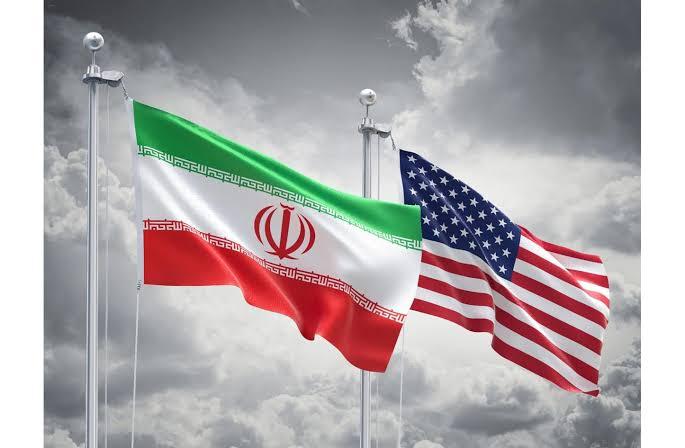
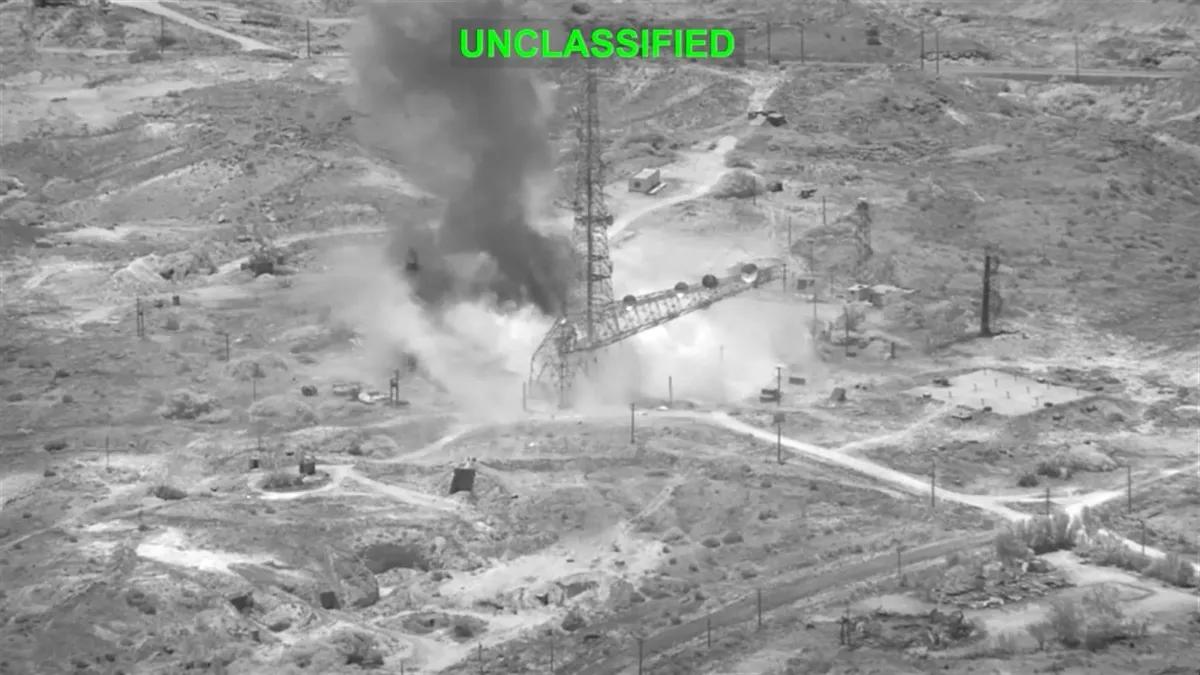
Washington and Tehran continued indirect contacts and talks aimed at de-escalation while disputes persisted over the Iranian nuclear program, economic sanctions, and maritime security arrangements, even as military escalation intensified in the region. The Al Jazeera Net account says a memorandum of understanding drafted for a 60-day window collapsed as the United States carried out airstrikes on Iran in response to attacks on commercial vessels in the Strait of Hormuz that it accused Iran of being responsible for.
In parallel, the same account says Iran fired at Arab states that it said host American bases, while the ceasefire between Israel and Hezbollah in Lebanon remained largely cohesive despite renewed hostilities elsewhere. The Al Jazeera Net piece also describes the memorandum’s Strait of Hormuz provisions as the “bullet that pierced the wall of the agreement,” because it says Iran viewed the text as granting it the right to manage traffic and impose potential fees after 60 days while the United States opposed fees and insisted the strait should be open to all without fees as it was before the war.

Vance, Levit, and Mediation
In Washington, White House spokesperson Karoline Levit said, "The reason behind the latest attacks that occurred over the past few days is that Iran violated the memorandum of understanding we reached with it."
Levit added that the memorandum specifically provided "not to fire on merchant ships passing through the Strait of Hormuz," and she said the Strait of Hormuz remains open to ships not headed for Iranian ports or departing from them.
Meanwhile, Al Jazeera Net describes the memorandum’s maritime framework as requiring Iran to ensure safe passage of merchant ships through the strait without any fees for 60 days, with navigation resuming immediately and completion within 30 days after removing technical and military obstacles and mines.
On the political side, Elaph reports that U.S. Vice President JD Vance accused Israeli officials of manipulating American public opinion to derail the end-of-war-with-Iran agreement, saying "there are people inside its institutions whom we know with certainty are trying to manipulate the American public opinion" to keep the war going indefinitely.
What’s at Stake Next
The Al Jazeera Net account says there are no public indications of progress toward a final agreement because the memorandum required the two countries to negotiate and reach an agreement within a 60-day timeframe, extendable by mutual consent after signing, with the deadline described as mid-August. It adds that negotiations stalled due to the funeral of former Iranian Supreme Leader Ali Khamenei, who was killed in the American and Israeli initial strikes, and it says it is not clear whether talks have resumed or whether any progress has been made.
In the same account, the nuclear dispute is described as remaining “stubborn,” with Iran insisting it will not obtain or develop nuclear weapons while Washington and Tehran agreed to settle the issue of disposing of the stockpile of enriched materials under a mechanism to be agreed. Jamaran’s International Service, through Rey Takieh, argues that the Islamic Republic’s priority has shifted toward controlling the Strait of Hormuz and shaping how ships move through the Persian Gulf, while still saying Tehran and Washington welcome mediation by third countries and that a solution over how the strait is managed could revive parts of the previous understanding or forge a new agreement.