USA28 February, 20262 min read
United States Conducts Military Operation in Iran
U.S. and Israeli forces launched coordinated strikes inside Iran Strikes hit Iranian ballistic missile sites, warships, and other strategic military targets
10 outlets told this the same way.
Outlets did split on Trump Interrupted by Protesters at San Antonio Rally for Ken Paxton →
U.S., Israeli strikes in Iran
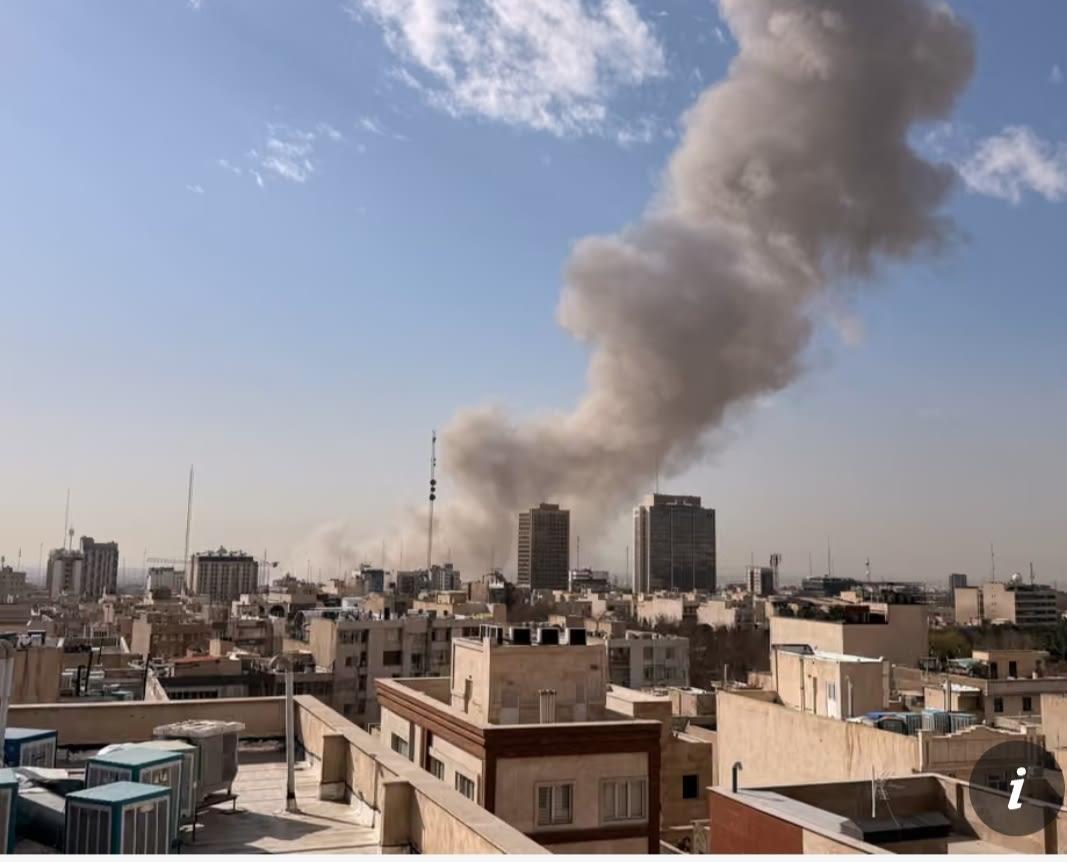
U.S. and Israeli forces conducted extensive strikes across Iran that targeted ballistic-missile sites, warships and a range of military, political and intelligence facilities. The strikes created large plumes of smoke over Tehran and prompted claims of high casualties and leadership losses.
“U.S. and Israeli forces launched heavy strikes across Iran targeting ballistic missile sites, warships and other military, political and intelligence sites, producing large plumes of smoke over Tehran.”
Reporting describes a coordinated campaign involving U.S. and Israeli action, with some outlets characterizing the operation as part of a broader effort to remove Iran's regime. Several sources record assertions that senior Iranian figures were killed, though those specific death claims are attributed to parties involved and are not independently verified in all accounts.

Missile strikes and casualties
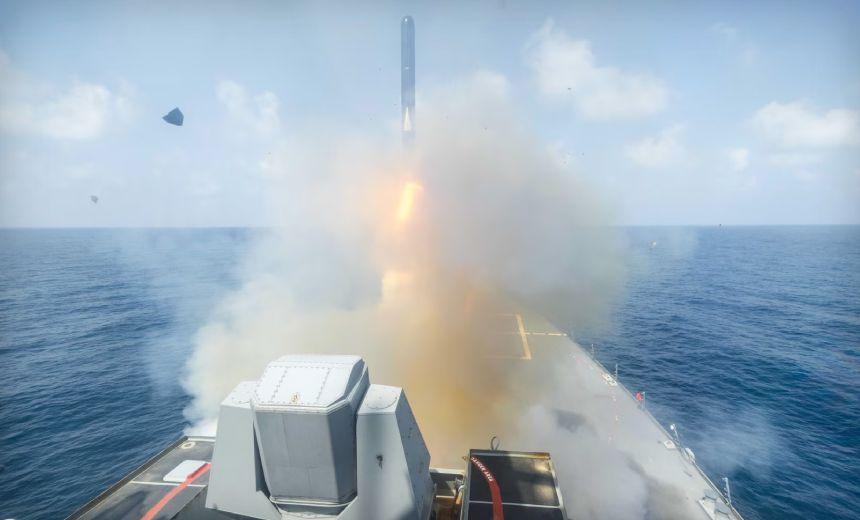
Iran retaliated with missile strikes at Israel and Gulf Arab states. Reporting attributes the first known U.S. military deaths in the campaign to these clashes. Israeli authorities reported multiple fatalities, missing people and attacks on civilian sites.
The trajectory of fighting has produced significant cross-border consequences and immediate human costs in Israel, the United States and elsewhere. Neighbouring states and regional actors are reacting with heightened alert and warnings of further retaliation.

Diplomatic and security fallout
The strikes have prompted urgent diplomacy and raised legal and political questions about the scope and authority for the U.S. role. Some governments have refused to participate in offensive operations.
“U.S. and regional developments have sharply raised the risk of wider conflict after reports that the United States appears to be shifting from deterrence to active engagement — a move that raises legal and political questions at home about authority and oversight.”
Analysts and officials warn the campaign could expand into a prolonged regional conflict. Investigative uncertainty about responsibility for attacks is complicating local security dynamics in states such as Iraq.
Internet outage and cyber risks
A major internet outage accompanied the strikes. Observers debated whether it was a cyberattack, a targeted communications disruption to blunt Iran’s response, or a domestic shutdown. Private-sector researchers and security firms warn that pre-positioned implants and proxy networks mean cyber operations may form a central next phase of retaliation or follow-on activity.
Markets and energy prices reacted to the hostilities. Reporting also cites long-standing Iranian cyber activity and intelligence warnings about residual threats.
Conflicting leadership death claims
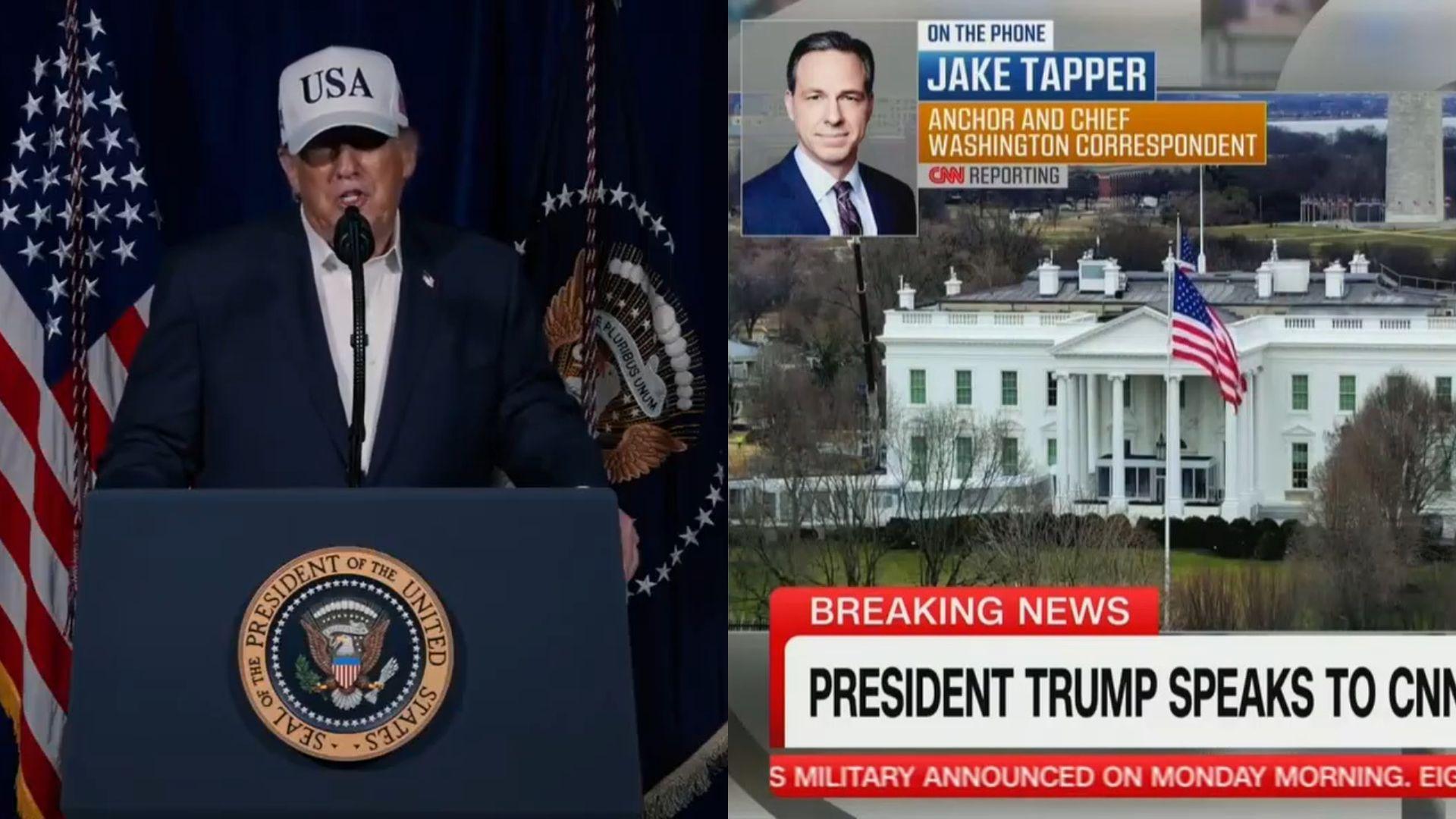
Claims about senior Iranian fatalities — including assertions that Supreme Leader Ayatollah Ali Khamenei was killed — are reported by some outlets but are explicitly unverified and contested across sources. Reporting therefore contains clear contradictions and uncertainty on leadership casualties and exact death tolls.
“Iranian officials say more than 200 people have died since the campaign began and claim senior leaders, including Supreme Leader Ayatollah Ali Khamenei, were killed; those specific claims are reported by Iranian sources and not independently verified in this summary.”
Several sources attribute the assertions to Iranian or other involved parties while noting independent verification is lacking. Other outlets emphasise the contradictory nature of those death claims.