USA · 05 August, 2026 · 2 min read
United States Revokes Brazil Ambassador Maria Luiza Ribeiro Viotti’s Visa Amid Diplomatic Dispute
US revoked Brazil ambassador Maria Luiza Viotti's visa amid bilateral diplomatic dispute. Lula government condemns move as interference in Brazil's elections; calls justification false.
Brazil and US dispute is linked to election interference.
2 of 3 outlets skipped it: brazil briefly recalls/reduces ambassadorial presence with Argentina.
19outlets compared
Same story, two versions
tap a side to read it in full
Buenos Aires Times
“attempts by the conservative governments of the United States and Argentina to interfere in its October presidential election.”Read the original ↗
The Hill
“A State Department spokesperson told The Hill that the move was a “reciprocal action,””Read the original ↗
Buenos Aires Times links the row to US-Argentina election meddling; others stress US-Brazil visa reciprocity.
Visa revoked in retaliation
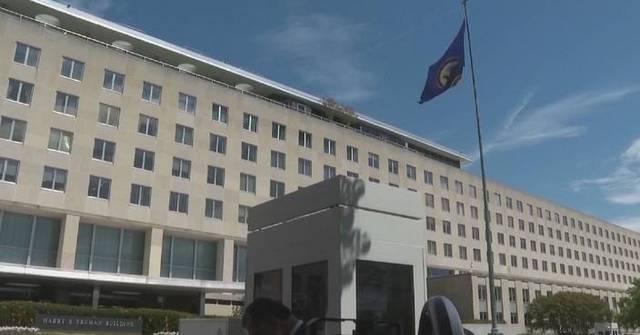
The United States revoked the visa of Brazil’s ambassador in Washington, Maria Luiza Ribeiro Viotti, as Washington said it was responding to Brazil’s refusal to issue visas to two U.S. State Department officials and to Brazil’s delay in approving President Donald Trump’s nominee for ambassador to Brazil.
Brazil’s government strongly condemned the move, calling the reasons cited by the United States “false,” and said the decision “is part of a deliberate escalation of hostile measures toward Brazil.”
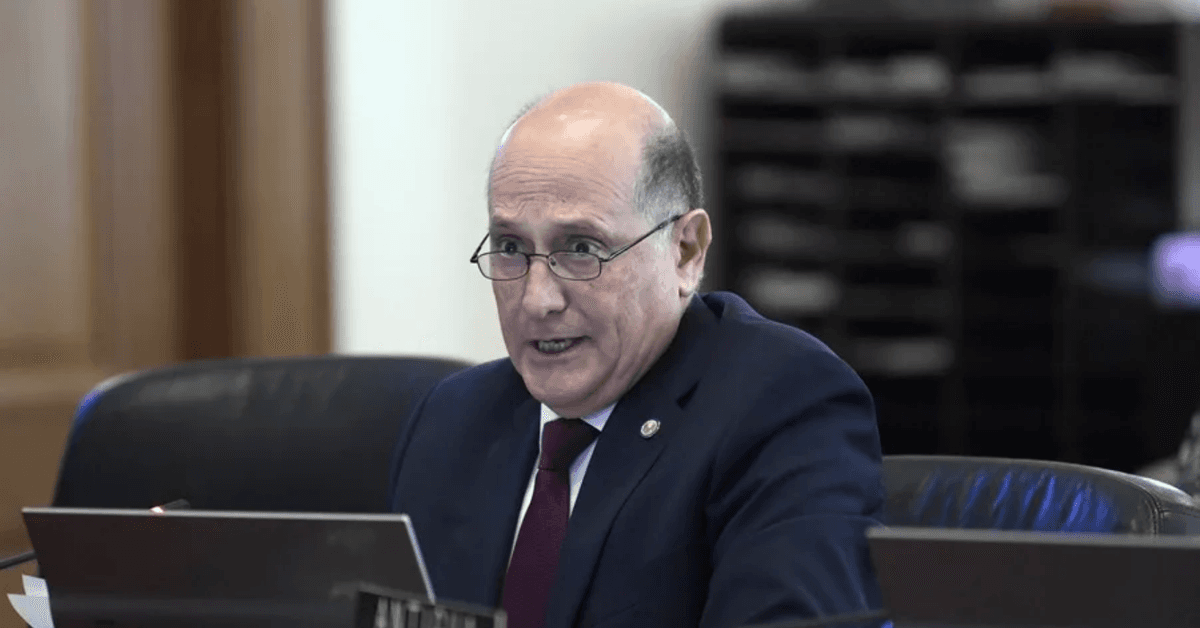
The U.S. State Department said Viotti’s visa would be restored if the situation was resolved by Brazil granting agrément to the U.S. nominee, Daniel Perez, whose nomination the U.S. Senate had not yet confirmed.
Brazil said the Vienna Convention on Diplomatic Relations sets no deadline for granting agreement, and it argued that the United States publicly announced its nominee before formally requesting approval from Brazil.
Diplomats, elections, and quotes
A senior State Department official told reporters that the revocation was a reciprocal response to Brazil denying visas to two American diplomats and withholding approval of Trump’s ambassador pick, and the official said the ambassador’s visa would be restored if the balance was restored by granting agrément. Brazil rejected that framing, saying the two U.S. officials intended to visit Brazil “to question the integrity of the country’s electoral system,” which Brazil described as an unacceptable attempt to interfere in domestic political affairs.
In a statement, Lula’s office said, “There is no rule in the Vienna Convention stipulating a deadline for granting agreement,” and it added that the U.S. request remains under review. The dispute is unfolding as Brazil prepares for elections on October 4, with a runoff likely to take place three weeks later, and as the diplomatic rift is tied to what Brazil described as attempts by the conservative governments of the United States and Argentina to interfere in Brazil’s October presidential election.
What’s at stake next
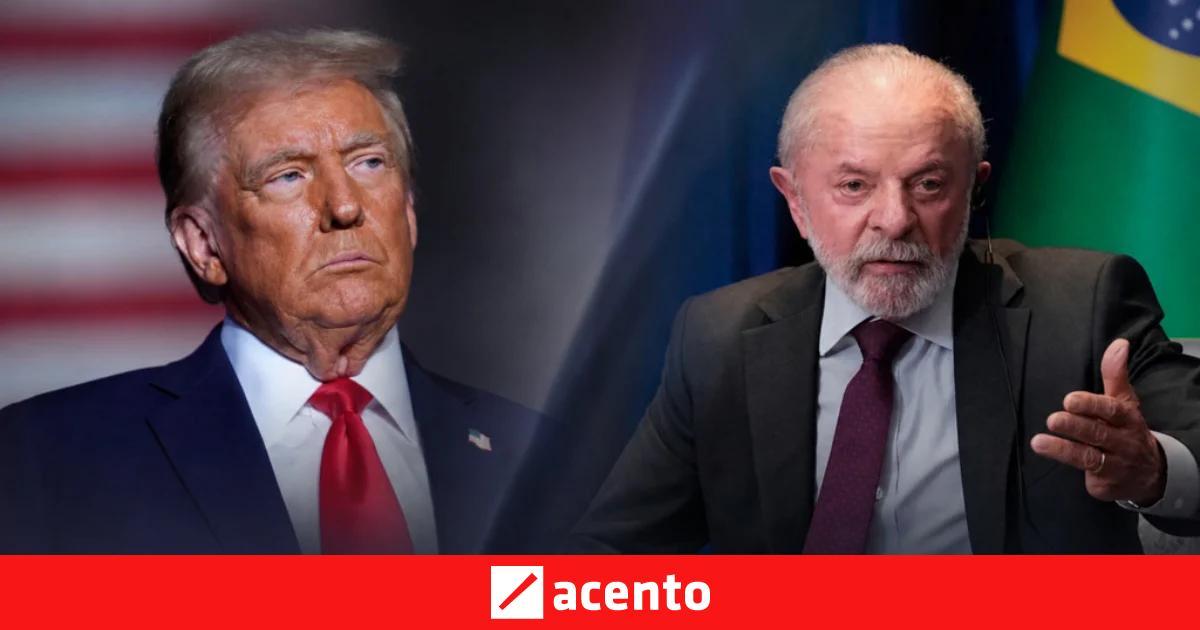
The visa dispute is part of a broader clash between Washington and Brasília that, according to the sources, intensified after the U.S. imposed 25 percent tariffs on many Brazilian goods, citing unfair trade practices. Brazil’s government said the U.S. decision was not an isolated event and framed it as “a deliberate escalation of hostile measures toward Brazil,” while also pointing to continuing U.S. sanctions against Brazilian officials, including Supreme Court justices and senior government officials whose U.S. visas were revoked.
The Hill reported that a State Department spokesperson described the visa action as “a ‘reciprocal action,’” as Brazil delayed approval of Daniel Perez, and the spokesperson also said the department rejects “any effort by foreign countries to interfere in our domestic processes.” TAs the standoff continues, the sources say the U.S. move does not mean Viotti is expelled, and Washington signaled the measure could be reversed if Brazil grants diplomatic approval for Trump’s nominee to take up the U.S. embassy in Brasília.