Iran01 September, 20263 min read
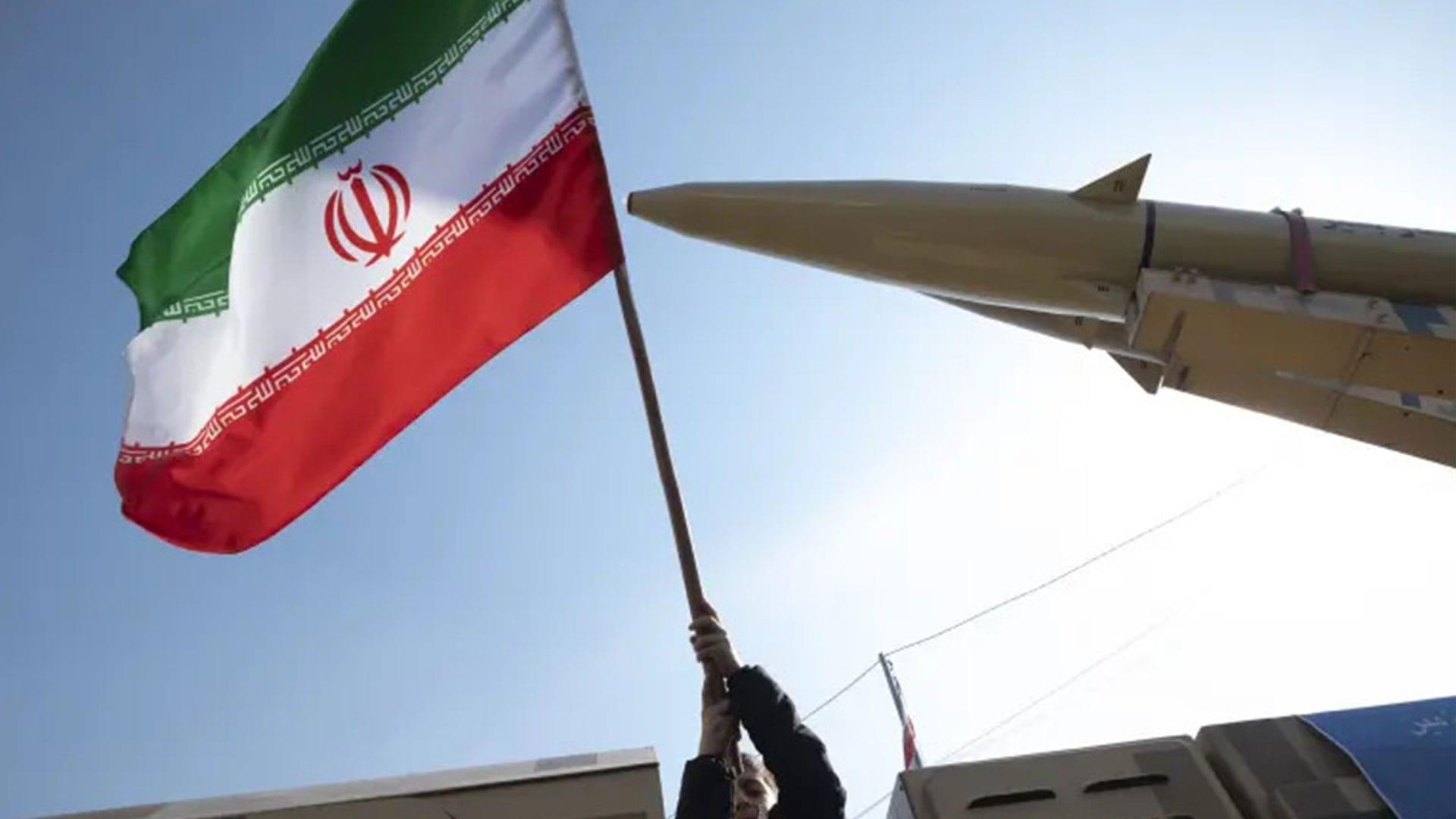
United States Strikes Iranian Launchers On Larak Island, Iran Vows Retaliation
This article is an automated aggregation of coverage from news outlets. Our editorials offer in-depth analysis curated by the NewsCord team.
U.S. strikes two Iranian launchers on Larak Island preparing sea mine rockets. Iran vows retaliatory strikes after recent U.S. airstrikes.
New York Post was read line by line by the Watchdog: 1.7. See the score →
Larak Island strikes
The United States struck two Iranian launchers on Larak Island in the Strait of Hormuz, with the Aug. 30 strikes described as the first known direct US attack on Iranian forces since late July.
A US Central Command spokesman said, "Earlier today, US forces struck two Iranian launchers on Larak Island," and added that Iran's Revolutionary Guards were observed preparing to launch rockets with sea mines into the Strait of Hormuz.

The Gulf News account tied the escalation to mine threats and said commercial shipping through Hormuz had already fallen sharply, with seven commodity vessels recorded transiting the strait on Aug. 28 compared with 17 the previous day and a 10-day average of about 15.
The same report said the US Central Command issued a "fact check" denying a claim that strikes to prevent the IRGC from placing mines in the Strait of Hormuz constituted an “act of aggression,” while Iranian media reported casualties and Tehran threatened retaliation.
In parallel, the Reuters-cited framing in Gulf News placed the strikes shortly after the US-Iran war hit the six-month mark, as hostilities had been subsiding.
Retaliation vows and warnings
A senior Iranian military source confirmed that Iran’s armed forces will respond to recent US military strikes targeting Iranian sites, with Tasnim quoting the official saying Tehran is preparing a multi-faceted response and emphasizing full operational readiness without disclosing specific timing or tactics. Tasnim also framed the exchange around President Donald Trump’s warnings that any Iranian retaliation would be met with significantly stronger military strikes, while American accusations included Iranian efforts to lay naval mines in the Strait of Hormuz. The New York Post reported that Anwar Gargash, a diplomatic adviser to the UAE’s president, warned on X that the state of neither war nor peace cannot be a sustainable solution and called it a failure to target Arab Gulf states and Jordan.
Gargash wrote, "What is needed today are realistic and sustainable political solutions that address the political and economic dimensions of the crisis," and the New York Post said the UAE’s Defense Ministry confirmed an Iranian drone was intercepted over territorial waters early Monday. The New York Post added that Qatar’s foreign ministry condemned the attacks on the UAE and Jordan, warning that a return to active war would only risk further destabilizing the region.

Oil prices and regional stakes
After the US attack on Iran's Larak Island and Tehran’s retaliatory response, the Faraz-linked report said crude oil prices rose by more than 2% as the conflict moved into its sixth month.
It gave specific market moves, saying Brent crude futures traded at 90.31 dollars per barrel, up 2.21 dollars or 2.51% from the previous close, while U.S. West Texas Intermediate (WTI) rose 1.83 dollars or 2.19% to 85.23 dollars per barrel.
The same report said Iranian media quoted the Islamic Revolutionary Guard Corps reporting that Iran struck two U.S. air bases in Jordan in response to the action, and it noted that U.S. President Donald Trump asserted on Sunday that Kharg Island had been “completely destroyed,” while also stating there was no evidence of an attack on the island.
It described negotiations as being at a stalemate and said mediators were seeking to reopen the Hormuz Strait, a passage that before the war began in late February accounted for one-fifth of global oil flows.
The report also said maritime data showed the number of visible commercial ships passing through the strait over the weekend fell to five per day, and it quoted Scott Baston, U.S. Treasury Secretary, telling Reuters on Sunday that the United States is likely to issue new secondary sanctions against Iran on a weekly basis.