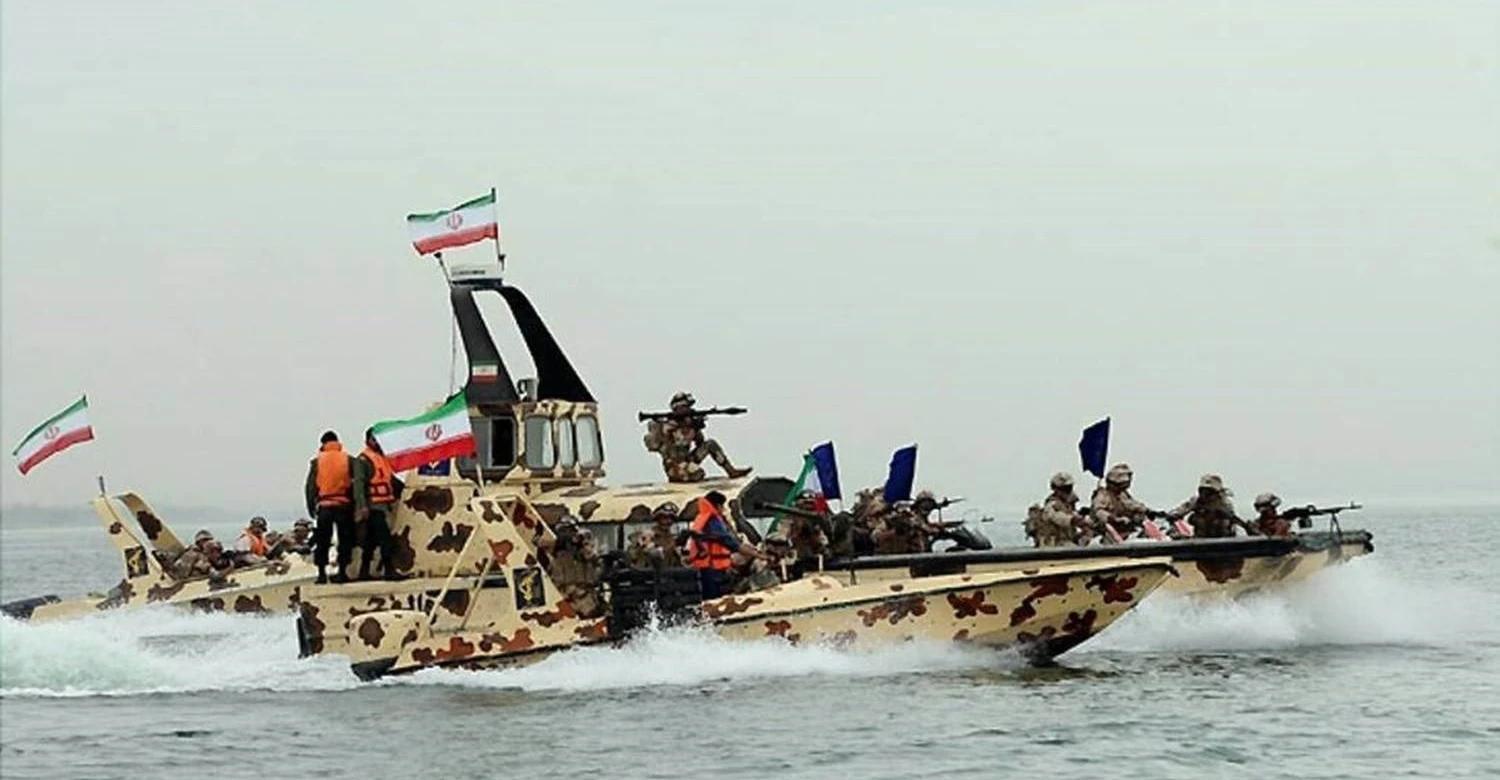
Iran · 05 September, 2026 · 3 min read
U.S. Destroys Five Iranian Oil Tankers After IRGC Targets U.S. Warship With Ballistic Missiles
CENTCOM destroyed five Iranian oil tankers after a missile attack on a U.S. warship. Iran warns of military response and vows harsher strikes on U.S. vessels.
Whether the US response is economic blockade or missile retaliation.
The New York Times was read line by line by the Watchdog: 4.0. See the score →
75outlets compared
Same story, two versions
tap a side to read it in full
Al-Jazirah Net
“The economic war against us is not new, and the U.S. naval blockade means a military war,”
Translated from the original.
Read the original ↗BBC
“American forces destroyed five Iranian oil tankers on Tuesday after Tehran launched ballistic missiles at a United States Navy warship twice”
Translated from the original.
Read the original ↗Al Jazeera frames the blockade as a broader economic war, while the BBC presents tankers strikes as direct retaliation for missiles at a US warship.
Tankers and warships
The United States destroyed five Iranian crude oil tankers on September 8 after the IRGC targeted a U.S. warship with ballistic missiles twice within two days, and the U.S. warship managed to fend off the Iranian attack attempts and continued patrols with no injuries to American personnel.
“destroyed five crude Iranian oil tankers on September 8”
U.S. Secretary of State Marco Rubio warned Tehran during a visit to Colombia that, "Iran continues its attempts to strike U.S. Navy ships, and every time it does or attempts to, it will lose oil tankers."
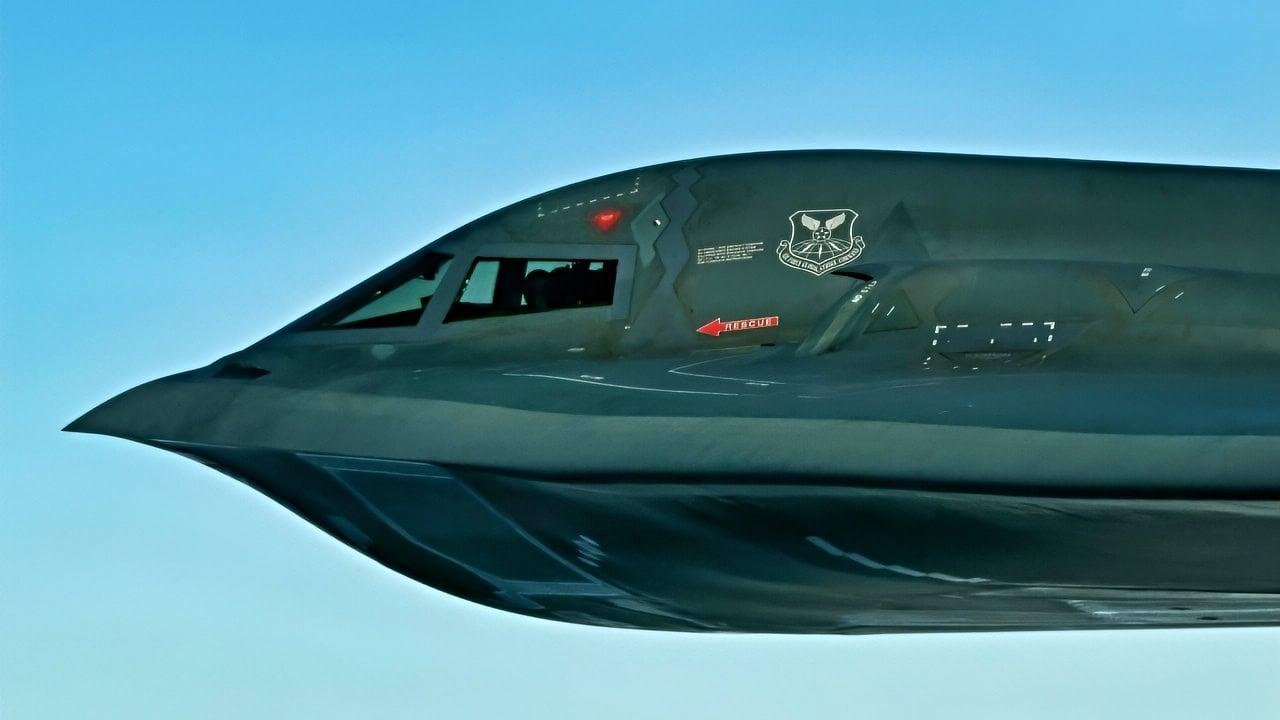
Iran’s IRGC Navy said it carried out intense missile strikes on the "Blue Base of the United States in Jordan" in response to the American attack on Iranian oil tankers, and Jordanian air defenses engaged 20 ballistic missiles launched from Iran targeting the kingdom, intercepting 18 while two missiles fell in an unpopulated area.
The BBC also reported that the IRGC said it attacked two American ships and eight oil tankers in the Gulf in response to an American attack that targeted five Iranian oil tankers, while American forces destroyed five Iranian oil tankers on Tuesday after Tehran launched ballistic missiles at a U.S. BNavy warship twice in the past two days.
Iranian threats and blockade
Iranian Parliament Speaker Mohammad Bagher Ghalibaf said on Tuesday that Iran would respond militarily if the Americans tightened the naval blockade, telling a television interview that "The economic war against us is not new, and the U.S. naval blockade means a military war."
Ghalibaf said Iran has not lost the war "not for a moment, and will not lose," and he reiterated that his country has not relinquished and will not relinquish its control over the Strait of Hormuz.

The Al-Manar TV Lebanon report said Lieutenant-Colonel Ebrahim Zolfaqari, spokesman for the Khatam al-Anbiya Central Headquarters, warned the "terrorist" U.S. military of "more severe blows" to warships if aggression continues.
In the same warning, Zolfaqari said the armed forces would respond more forcefully if the U.S. maintained its naval blockade of Iran, and he added that the Iranian armed forces would target U.S. military vessels in the region "more severely than before" if Washington persisted with such actions.
Escalation risks and retaliation
The CNN Arabic report said Iran’s Foreign Ministry condemned the American military strike that targeted parts of Hormuz Island, accusing the U.S. military of "violating Iran's national sovereignty and territorial integrity."
“violating Iran's national sovereignty and territorial integrity”
The Foreign Ministry said that "In response to this military aggression" and in affirmation of the right to legitimate self-defense, the Iranian Armed Forces delivered extensive defensive strikes targeting American military bases stationed in Jordan, which it said formed a source of support for the American military aggression.
The BBC reported that the U.S. BCentral Command said it destroyed five Iranian oil tankers on September 8 after the IRGC attacked a U.S. Navy warship with ballistic missiles twice within two days, and it also said the U.S. warship managed to fend off the Iranian attack attempts and continued patrols.
The 19FortyFive analysis argued that the recent U.S./Israeli war against Iran started by attempting to destroy that regime, but it "failed to prevent the regime’s governmental structure from surviving despite an overwhelming attack," including the United States hitting "some 1,000 targets in the first day of the conflict" and Israel conducting "700 fighter sorties in Iran that same day."