
US-Iran Ceasefire Reopens Strait of Hormuz as Nuclear Disputes Remain Unresolved
Key Takeaways
- Oil shipments through the Strait of Hormuz resumed as the US-Iran ceasefire took effect.
- The ceasefire is time-limited with a 60-day negotiating window between parties.
- Indirect talks between the United States and Iran are ongoing in Doha via mediators.
Ceasefire, Strait Reopens
A US-Iran ceasefire has eased fears of a wider conflict and led to the reopening of the Strait of Hormuz, with oil prices falling as a result.
The truce is framed by Reuters as potentially tactical rather than lasting peace, with underlying disputes over Iran's nuclear program, regional influence and sanctions still unresolved as of now.

Both sides have agreed to 60 days of talks, but Reuters’ analyst cited by The Times of India said there is “little sign of common ground.”
The reopening of the Strait of Hormuz has restored confidence to energy markets, allowing oil shipments to resume and energy prices to retreat from wartime highs, according to Modern Diplomacy.
Doha Talks and Leverage
Qatar’s Foreign Ministry spokesman Majed Al-Ansari said American envoys Stephen Witkoff and Jared Kushner are in Doha to meet with intermediaries and discuss progress of negotiations between the United States and Iran.
Al-Ansari stressed the use of a direct hotline for de-escalation in the Strait of Hormuz, saying the focus is on restoring regional security and stability to pre-war levels.
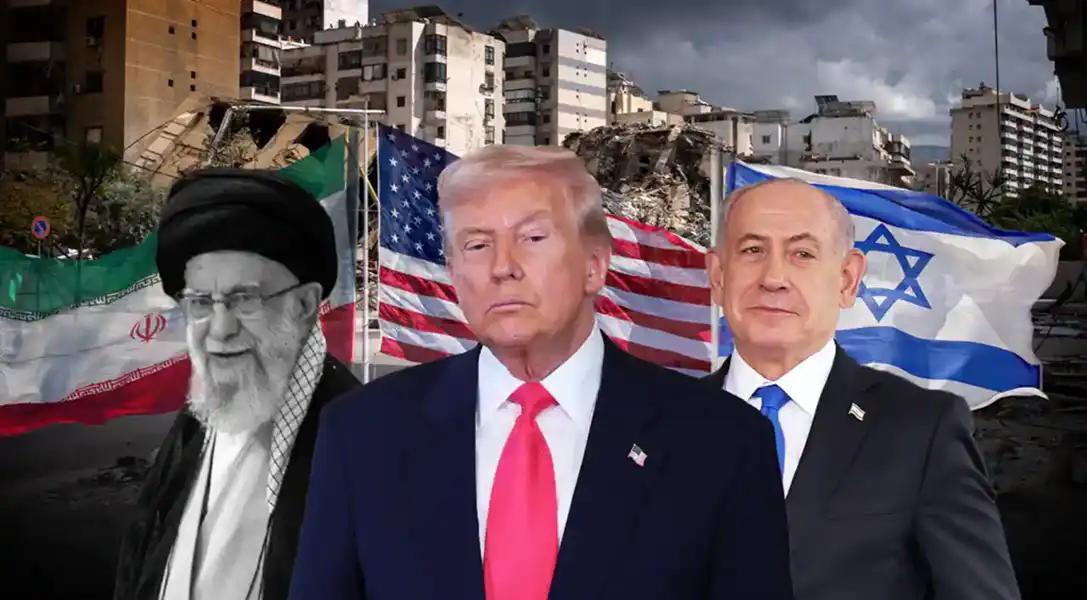
In Tehran, Iran’s Foreign Ministry spokesman Ismail Baghaei said the United States must honor its commitments to end the war on all fronts, including Lebanon, according to the memorandum, adding that any action by the United States would not go unanswered.
The same Al Jazeera report said Secretary of State Marco Rubio told reporters the United States will not accept imposing any tolls on passage through the Strait of Hormuz, while the White House narrative described high-level talks in Doha and another technical one.
After Midterms, Risk Persists
Reuters warned that the interim agreement may be a “pre-election pause for lasting peace,” with Tehran’s economic leverage likely to remain strong through the U.S. midterm elections in November but potentially weakening once votes are counted.
The Times of India similarly tied the ceasefire’s durability to US politics, saying the Trump administration cannot afford a spike in gasoline prices ahead of midterm elections in November.
The Reuters report said pump prices had fallen to about $3.90 per gallon from a peak of near $4.50 during the conflict, but cautioned that the clock is ticking if peace talks break down.
It also said the delicate balance of power might change significantly after the U.S. midterms on November 3, raising the risk of renewed confrontation afterward and leaving large energy importers vulnerable to unexpected spikes in oil and gas prices.
More on Iran
Iran’s Abbas Araghchi Slams CENTCOM After Bahrain Security Summit With 12 Nations
14 sources compared

Iran Foreign Minister Abbas Araghchi Slams CENTCOM Bahrain Security Dialogue
11 sources compared
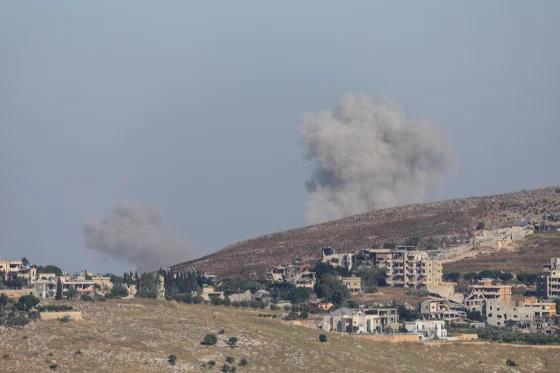
US Officials Feared Israel Planned To Kill Iran Negotiators During US-Iran Talks
15 sources compared

U.S. and Iran Hold Technical Talks in Doha as Service Member Missing After Arabian Sea Landing
11 sources compared