Iran · updated 1h ago · 3 min read
U.S. Military Destroys Five Iranian Oil Tankers as Strait of Hormuz Tensions Escalate
U.S. destroyed five Iranian oil tankers after attempted attack on a U.S. warship; no casualties. Oil prices rose toward $100 a barrel amid Strait of Hormuz tensions.
Whether Hormuz is closed or a restricted zone.
9 of 11 outlets skipped it: iran says it will sanction vessels entering a new zone.
11outlets compared
Same story, two versions
tap a side to read it in full
Caspian Post
““Iran will ensure the opening of the Strait of Hormuz only when the US stops threatening and attacking Iran,” Rezaei said on state television.”Read the original ↗
Al-Jazeera Net
“Iran hardened its stance on the Strait of Hormuz today, Wednesday, issuing a new paper through the Revolutionary Guards, which spoke of a “restricted area” outside the strait”
Translated from the original.
Read the original ↗Al Jazeera focuses on a “restricted area” framing, while Caspian Post highlights an opening conditional on US restraint.
Oil spikes on Hormuz
Oil prices surged above $100 a barrel as tensions around the Strait of Hormuz increased, with Brent crude futures rising 2.83% by 10:33 a.m. GMT to $100.69 a barrel.
“Brent crude futures had risen 2.83% by 10:33 a.m. GMT, hitting $100.69 a barrel”
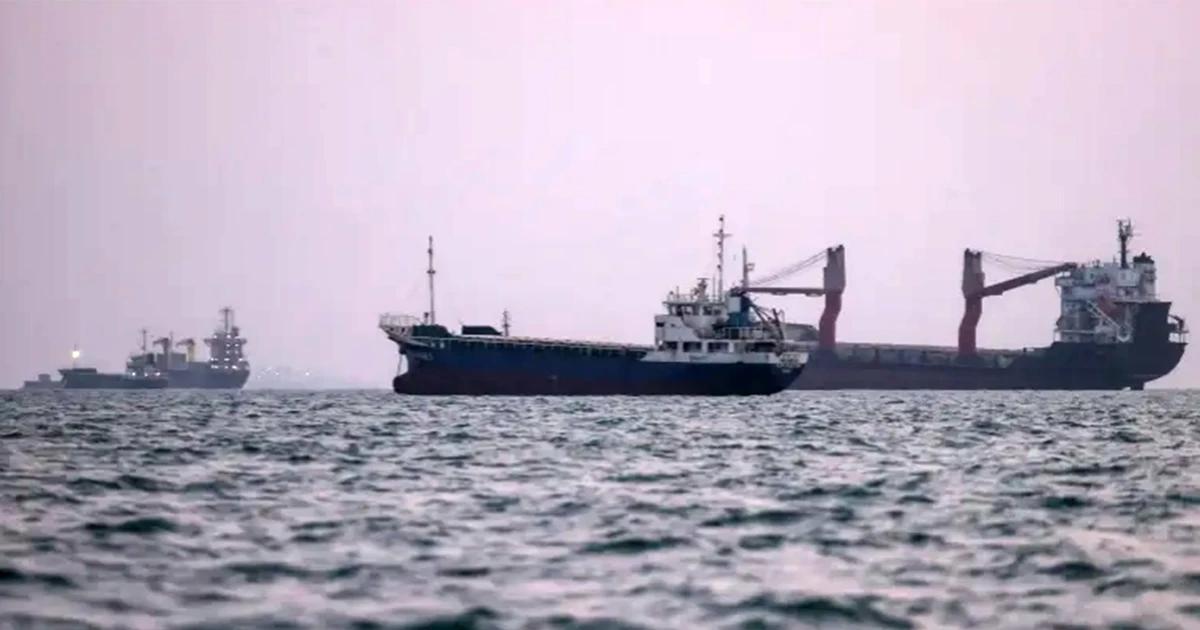
The U.S. military said it destroyed five Iranian crude oil tankers on Tuesday after an attempted attack on a U.S. warship, and U.S. Central Command said the ship evaded the assault and no American personnel were harmed.

In extended trading, Brent was up 3% to $100.86 and WTI was higher by 3% at $95.84 as traders bid up oil on risks around the Strait of Hormuz resurfacing.
The confrontation has now lasted seven months, with both sides largely pulling back for about a month after a surge of violence in July before hostilities re-erupted.
Goldman Sachs’s Daan Struyven, speaking on CNBC’s "Squawk Box Asia," said the latest escalation raises the risk of prices moving above $120 a barrel if attacks on shipping intensify.
Iran’s warnings and strikes
Iran’s Supreme National Security Council secretary Mohsen Rezaei said Tehran would not reopen the Strait of Hormuz while the U.S. continues to threaten or attack Iran, adding, "Iran will ensure the opening of the Strait of Hormuz only when the US stops threatening and attacking Iran."
Rezaei also dismissed Donald Trump’s statements that the strait remains open, calling them a "big lie," and said the U.S. was attempting to move vessels through the waterway despite restrictions imposed by Tehran.
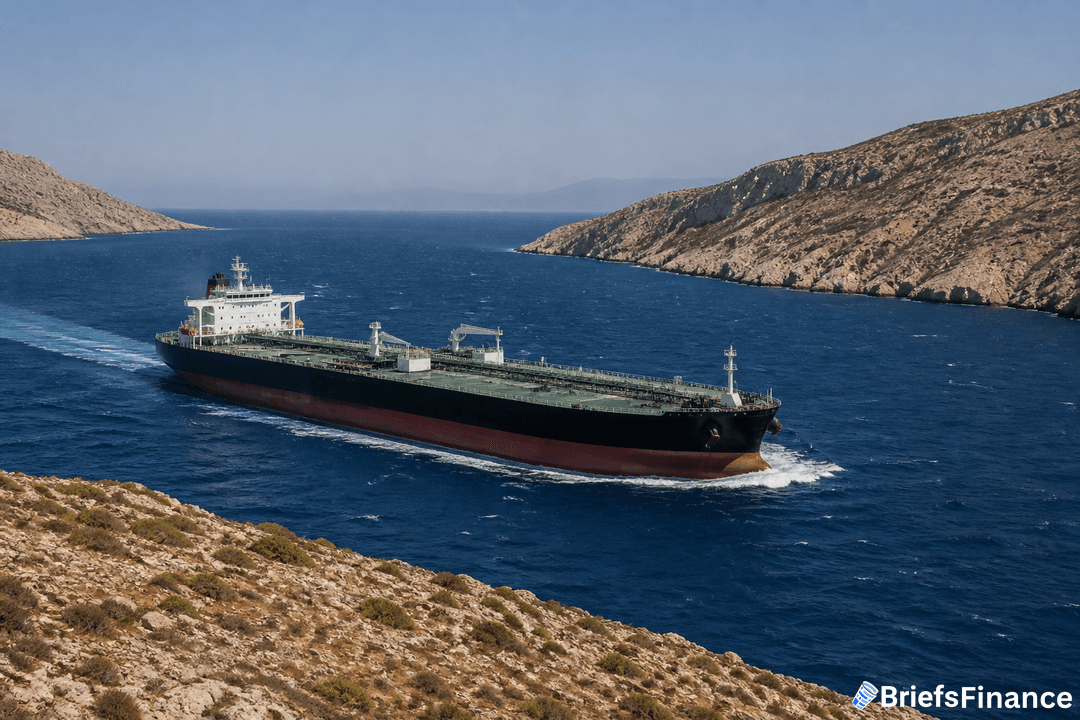
The Iranian Revolutionary Guard said it targeted two American ships and eight oil tankers in the Strait of Hormuz, stating the action was in response to the United States’ targeting of five Iranian oil tankers.
The U.S. said it destroyed five Iranian tankers, and the U.S. Central Command released a video describing the strikes as a response to the Iranian Guards’ two missile strikes on a U.S. Navy warship.
Al Jazeera Net said the last 48 hours saw an uptick in attacks on ships and that traffic through the strait dropped to six ships carrying goods through the Strait of Hormuz yesterday, down from nine ships the previous day.
Restricted zones and fallout
Iran said it would announce a “restricted zone” close to the Strait of Hormuz, with Maj. Gen. Mohsen Rezaei telling television that the zone "will begin from the U.S. Navy’s blockade line and extend into parts of the Persian Gulf," per Press TV.
“"will begin from the U.S. Navy’s blockade line and extend into parts of the Persian Gulf,"”
The Hill reported that all vessels coming into the zone that are not cooperating with the Iranians will be put on a sanctions list, linking the move to recent exchanges of fire between the U.S. and Iran.
Al-Jazeera Net described a “restricted area” outside the strait that includes parts of the Gulf of Oman and areas beyond it, with Hossein Moghafi saying the area "starts roughly from the Chabahar area" and includes parts of the Sea of Oman and the Arabian Sea along the route to the strait.A
Al-Jazeera Net also said initial shipping data showed six ships carrying goods through the Strait of Hormuz yesterday, down from nine ships the previous day and from an average of about 12 ships over the past 10 days.A
With the Strait of Hormuz central to global energy shipments, the Morocco World News report said the European Commission’s Oil Coordination Group saw Europe facing no oil supply problem, while warning that geopolitical uncertainty was driving significant price volatility.