Gaza Genocide24 October, 20254 min read
US Secretary Rubio Demands Hamas Demilitarization and Grants Israel Veto Over Gaza Security Force Deployment
This article is an automated aggregation of coverage from news outlets. Our editorials offer in-depth analysis curated by the NewsCord team.
US Secretary Rubio demands complete Hamas demilitarization as a condition for peace. Israel retains veto power over the composition and deployment of Gaza’s international security force.

9 outlets told this the same way.
Outlets did split on Thousands March in London Calling for Britain to Stop Arming Israel and Impose Sanctions →
US Efforts on Gaza Security
US Secretary of State Marco Rubio is pressing for Hamas to demilitarize Gaza while supporting an international security force whose participating countries Israel can effectively vet or veto. BBC reports that Rubio said many countries want to join an International Stabilization Force for Gaza but stressed that Israel must be comfortable with the participating nations. He also warned that the force’s operation is unclear without Hamas’ agreement.
“US Secretary of State Marco Rubio announced that many countries have expressed interest in joining an international security force for Gaza, a key element of President Donald Trump's peace plan.”
India Today reports Rubio framed disarming Hamas as a long-term process and said Israel has fulfilled commitments while awaiting Hamas to disarm and demilitarize Gaza. The Washington Post adds that Rubio reaffirmed unwavering US support for Israel and called the Trump-brokered ceasefire the only plan likely to succeed.
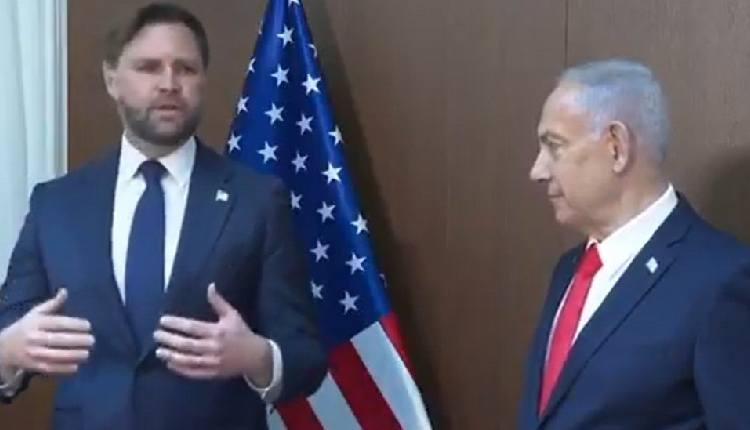
The National details Israel’s push for an international stabilization mission to maintain the ceasefire, oversee Israeli withdrawal, and assist in disarming Hamas. It also notes that a draft UN Security Council resolution to authorize the International Stabilization Force remains under negotiation.
UN Force and Israel's Role in Gaza
Rubio’s approach effectively grants Israel a veto over which countries deploy forces to Gaza. UN-backed planning for the International Security Force (ISF) remains fluid and uncertain. BBC reports that Rubio insisted Israel must be comfortable with the participating nations.
He also admitted it is unclear how the force would operate without the assent of Hamas. The National reports that advocates want the UN to give the ISF full border control without Israeli veto power. This highlights current fears that Israel would retain decisive gatekeeping over Gaza's borders.

Ommcom News adds that the ISF is not yet established. The US will not send combat troops into Gaza but may supervise and mediate the operation. About 200 US troops are currently in Israel preparing for this role.
Indonesia has offered 20,000 troops, and other countries have tentatively agreed to participate, potentially under a UN mandate. The Washington Post underscores strong U.S. political backing for the plan. Washington views the Trump-brokered framework as the only viable path forward.
Challenges of Disarming Hamas
Disarming Hamas is repeatedly described as the hardest, unresolved demand at the core of Rubio’s stance and the Gaza deal. India Today reports Israel says it has fulfilled its commitments and is waiting for Hamas to disarm, with Rubio calling demilitarization a long-term process meant to improve life in Gaza. Ommcom News says the key challenge remains disarming Hamas and presents Hamas as continuing to threaten by staying armed; it also states the ISF would oversee demilitarization but is not yet established.
“Rubio highlighted that disarming Hamas is a long-term process aimed at improving life in Gaza by ending terror and fostering stability.”
The National underscores that the plan lacks a clear timeline and no specified actor is tasked with disarming Hamas, which experts call the most difficult challenge. Analysts warn the ISF could be reduced to advisory roles if Hamas refuses to disarm. BBC adds the practical constraint that the ISF’s operation is unclear without an agreement with Hamas, spotlighting feasibility problems.
Ceasefire Progress and Challenges
While Rubio praises the ceasefire’s progress and insists there is no alternative plan, implementation remains fraught with challenges, from recovering bodies to rebuilding wrecked neighborhoods. BBC quotes Rubio calling the two-week ceasefire “historic” but warning of setbacks, and says there is “no plan B.” The Washington Post echoes that the deal is the only plan likely to succeed.
India Today reports efforts have begun to recover the remains of dead hostages, with Israel accusing militant groups of delays and those groups citing difficulties due to Gaza’s destruction. The deal includes exchanging 360 Palestinian militant bodies for deceased Israeli hostages. Ommcom News describes the scale of devastation—about 80% of homes destroyed—with reconstruction expected in stabilized areas and plans to rebuild Rafah over two to three years for up to half a million people.

Challenges in Gaza Governance Plan
Looking ahead, multiple sources flag unresolved governance and security details that could fracture Gaza’s future if demilitarization stalls. The National warns the plan lacks a timeline and a responsible actor for disarming Hamas, and that Gaza could split into zones with the ISF reduced to an advisory role focused on border security. It also notes calls for UN-granted ISF control of borders without an Israeli veto.
“However, the plan lacks a clear timeline and specific responsibility for disarming Hamas, which experts warn is the most difficult challenge.”
BBC highlights the practical barrier that the ISF may not function without Hamas’ agreement. Ommcom News reports the US will supervise rather than deploy in Gaza and that a UN mandate could add legitimacy, with several countries, including Indonesia, ready to contribute. India Today adds that implementation is already strained by the need to retrieve remains amid Gaza’s destruction, underscoring how on-the-ground realities can derail a plan even with diplomatic momentum.
