Iran28 August, 20263 min read
U.S. Treasury Cuts Banque Misr UAE Dollar Access Under Operation Economic Outcast
This article is an automated aggregation of coverage from news outlets. Our editorials offer in-depth analysis curated by the NewsCord team.
U.S. Treasury cuts Banque Misr UAE dollar access under Operation Economic Outcast. Dubai-based trade channels disrupted as Iran's access to finance tightens through UAE.
Sanctions hit banks
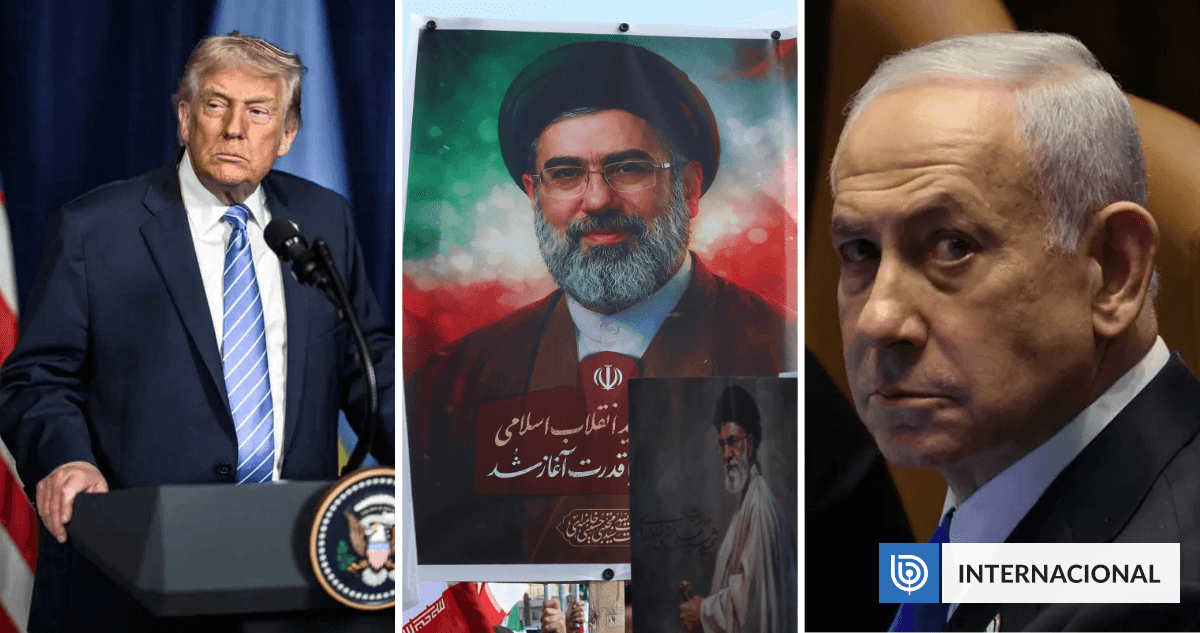
The United States Treasury announced plans to cut a major Egyptian bank’s branches in the United Arab Emirates out of the dollar system as part of “Operation Economic Outcast,” targeting Banque Misr UAE with 30 days before revoking correspondence rights with American financial institutions. Treasury Secretary Scott Bessent said, “Treasury promised to sever every economic lifeline Tehran has left and finally end the threat of the Iranian regime,” while the Treasury press release alleged Banque Misr UAE processed approximately $1.8 billion for 103 companies potentially tied to Iranian shadow banking networks between January 2024 and June 2026. In Tehran, Supreme Leader Mojtaba Jamenei urged the government to address economic challenges including inflation and unemployment, saying, “Es necesario abordar con seriedad la cadena de retos económicos y de subsistencia, como la inflación, el desempleo, la gestión de los precios y el mercado de bienes y servicios.”
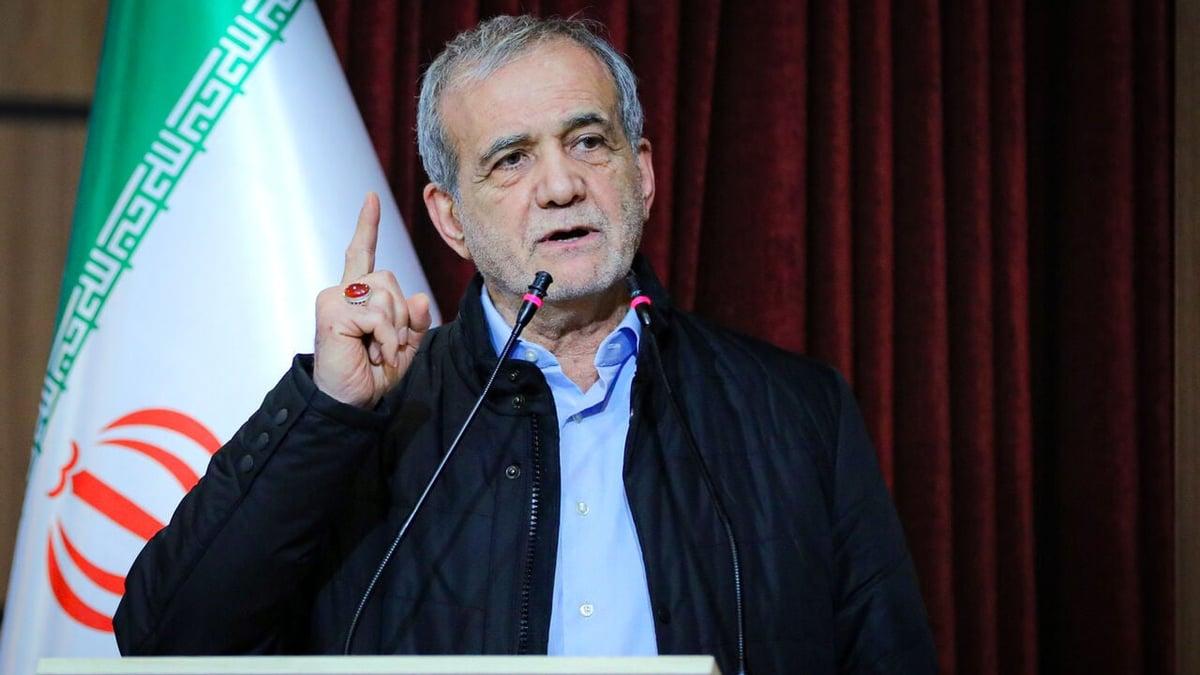
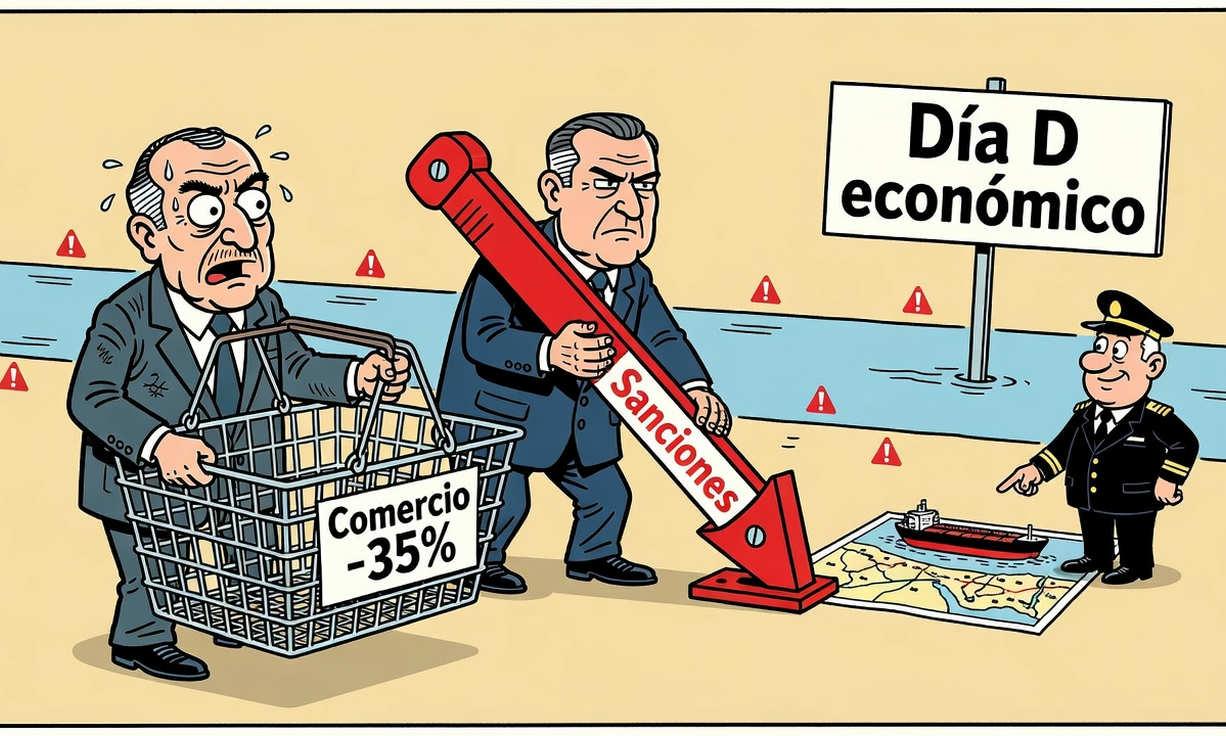
Iran’s president Masoud Pezeshkian told state media that Iran’s exports and imports had fallen by almost 35% due to U.S. sanctions and the naval blockade of Iranian ports, while also conceding the economic damage from American sanctions in an interview with Iran’s President Masoud Pezeshkian. The sanctions drive was framed as part of a broader U.S. push that warned countries to break commercial ties with Tehran or face secondary sanctions, even as the Treasury had not penalized major partners like China and India in the Reuters account.

Dubai trade disruption
As the U.S. campaign squeezes Dubai trade, a security guard told the FT that vessels were now heading to Oman and India, saying, “No more Iran since last week.” The FT reported that pre-war commerce between Iran and the UAE was worth nearly $30 billion annually, and that the UAE was described by Esfandyar Batmanghelidj of the Bourse & Bazaar Foundation as “The UAE is the only avenue for Iranian imports.” The disruption was described as visible in Dubai’s traditional trading districts, while the report said Bank Melli and Bank Saderat—both under U.S. sanctions—continued serving customers through more than a dozen UAE branches combined.
The FT also reported that Washington increased pressure Friday by moving to cut the UAE branches of Egypt’s Banque Misr from access to U.S. financial institutions over alleged Iran-related activity, after the UAE announced it was suspending trade and financial transactions with Iran. In response to the pressure, an unnamed Tehran businessman told the FT that goods had been stockpiled in Turkey and shipments rerouted through Oman, adding, “We are bypassing the blockade in the same way we have been bypassing sanctions,” and saying “Not much has changed.”
Diplomacy, defense, and unrest
While the U.S. intensified sanctions, Iranian officials stressed a dual track of diplomacy and defense, with a state-media statement saying diplomacy and defense are “complementary, coordinated, and inseparable” tools for protecting national interests, security, and territorial integrity. In an interview on August 28 with Iranian state television, President Masud Pezeshkian said, “I really don’t know what to say,” when asked about the impact of U.S.-imposed sanctions, and he added that Iran is in a war situation and “we must accept these wartime conditions.” The Reuters account said negotiations between the United States and Israel had reached a deadlock six months after the war began, while Iran committed to resist pressure and keep what it claims is its control over the Strait of Ormuz.
Iran’s government also said it would prioritize measures to curb inflation, manage markets, create jobs, orient investment toward domestic production, and reduce dependence on the dollar, as it framed the sanctions as part of U.S.-Israeli “conspiracies.” The Radio Free Europe/Radio Liberty report added that the intelligence wing of Iran's Islamic Revolutionary Guards Corps issued a statement warning of growing social discontent and the possibility of renewed street protests, and it cited state media reporting that the average price of food and beverages rose more than 127 percent compared with August 2025.