Lebanon09 September, 20263 min read
US Urges Lebanon To Disarm Hezbollah, Condition Military Aid On Progress
This article is an automated aggregation of coverage from news outlets. Our editorials offer in-depth analysis curated by the NewsCord team.
US says Lebanese aid should be conditioned on disarming Hezbollah. Lebanese Army coordinates with Military Coordination Group to impose operational control.

Framework, aid, and disarmament
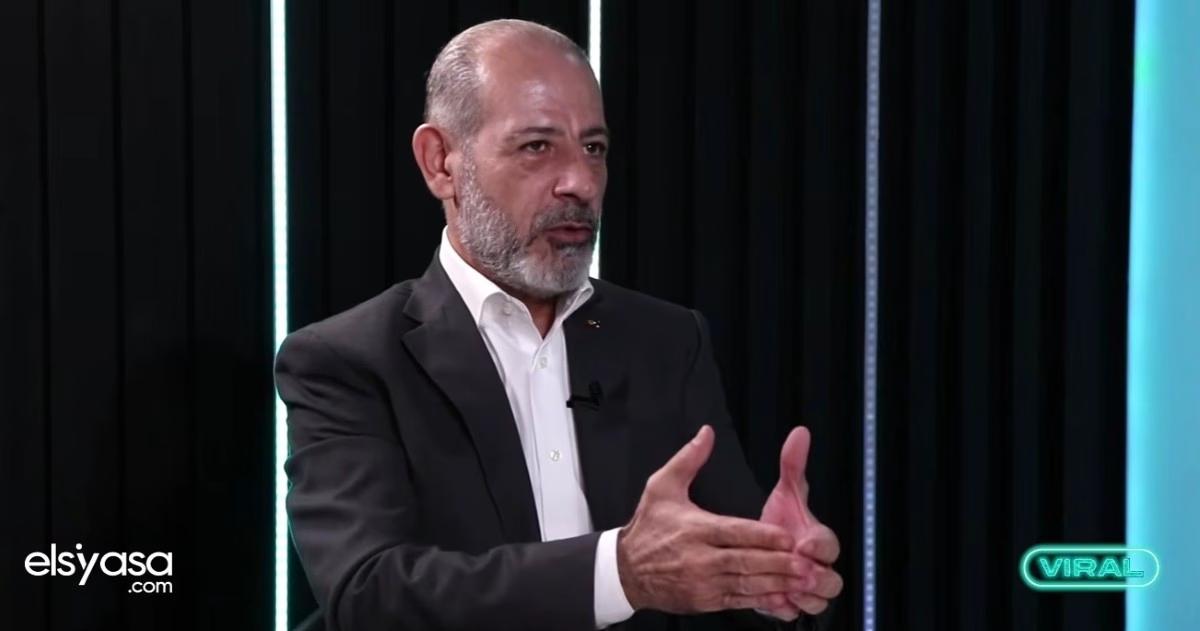
The Lebanese Armed Forces (LAF) are at the center of a dispute over disarming Hezbollah after Lebanon committed in negotiations with Israel, mediated by Washington, to disarming and dismantling the Iran-backed militia Hezbollah, according to The National Interest. David Schenker argues in The National Interest that the United States should condition military assistance on measurable progress in disarming Hezbollah, writing that "The only way to dismantle Hezbollah is to create the right incentives for the Lebanese government." In a separate account, SyriacPress reports that Ibrahim Mrad urged the Lebanese state and army to take decisive action to place all weapons under state control, warning that Hezbollah’s continued military activity could contribute to an expansion of Israeli operations in southern Lebanon.
“The only way to dismantle Hezbollah is to create the right incentives for the Lebanese government.”
SyriacPress also says the dispute over Hezbollah’s weapons comes as Lebanon attempts to implement a US-brokered framework with Israel linking an Israeli withdrawal from Lebanese territory to Hezbollah’s disarmament and the deployment of the LAF, while Hezbollah has rejected demands for comprehensive disarmament and Israel says it will maintain military positions until the group’s weapons and infrastructure are dismantled. The National Interest frames the issue as a test of will and guidance, noting that "Either Beirut hasn’t issued clear guidance to the LAF, or the military isn’t following orders."
Violations, strikes, and warnings
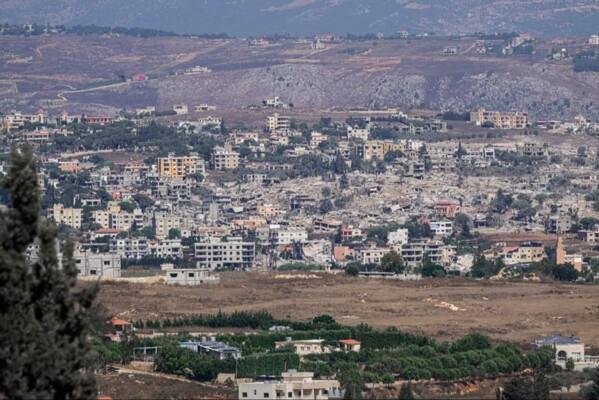
Al Jazeera reports that on Wednesday evening the Israeli occupation army carried out air strikes on towns in southern Lebanon, including al-Khyam, Sarbin, al-Mansouri, Nabatieh al-Fauqa, and the area of al-‘Areeish between Hadathā and Hariīs, after the Lebanese army’s warning that continued Israeli violations threaten the understandings. Al Jazeera adds that the Lebanese army said there have been about 7,700 Israeli violations of the framework agreement since it was signed on June 26, and it argued that the attacks and violations "confirmed that the objective of the Israeli occupation is to strike the credibility of the army domestically". Shafaq News says the Lebanese Army leadership confirmed that its units began taking measures to impose operational control in model areas, while Israeli attacks in recent days targeted residential areas and institutions and resulted in a large number of martyrs and wounded, including at least 12 killed in the town of Kafrraman – Nabatieh.
Shafaq News also reports that the army established 6 fixed checkpoints and 13 monitoring points on roads leading to Zotar al-Gharbiyya, Farun, and Sarifa, and it says the army seized about 1,818 weapons and ammunition pieces, including 10 missile launch platforms and 7 missiles. In the same Shafaq News account, the army concludes that a halt to attacks and violations is the fundamental factor for completing the army’s deployment and carrying out its tasks under the framework agreement, warning that the repeated attacks and violations undermine the army’s credibility inside Lebanon and before the international community.
What’s at stake next
The National Interest warns that additional funding, equipment, and training will not make the LAF carry out its duties in Zawtar if the problem is a matter of will rather than insufficient resources, and it argues that the United States cannot help Lebanon if it does not help itself. The National Interest also ties the stakes to momentum in the Trilateral Framework, stating that "Barring a change in the Lebanese approach to the pilot zones, however, the Trilateral Framework will lose all momentum and wither." Elnashra describes Ali al-Taher Hill as a focal point of the confrontation between Israel and Hezbollah, and it frames the core political challenge as whether Lebanon can ensure that only the state possesses weapons and makes decisions related to security and national sovereignty.
“Barring a change in the Lebanese approach to the pilot zones, however, the Trilateral Framework will lose all momentum and wither.”
Elnashra says the European Union approved a package of 100 million euros to the Lebanese army in June, bringing total support through the European Peace Facility to 182 million euros, with officials saying the aid aims to help the Lebanese government assert its authority and move toward monopolizing weapons. Elnashra concludes that the ultimate assessment of diplomacy will rest on what happens on the ground, arguing that if the Lebanese army can deploy effectively and establish full control over all sites and southern Lebanon becomes safe enough for civilians to return, Lebanon could enter a transitional phase from war to reconstruction.