Iran16 September, 20263 min read
Wang Yi Urges Iran And U.S. To Exercise Restraint, Return To Islamabad MoU
This article is an automated aggregation of coverage from news outlets. Our editorials offer in-depth analysis curated by the NewsCord team.
China urges Iran and US to return to Islamabad Memorandum of Understanding. China calls for restraint and substantive consultations between Tehran and Washington.
Reuters was read line by line by the Watchdog: 5.8. See the score →
Wang presses for talks
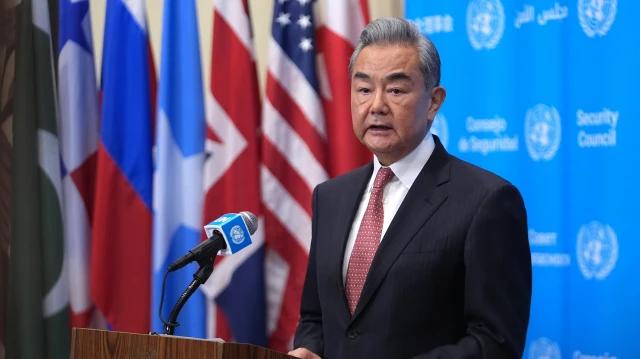
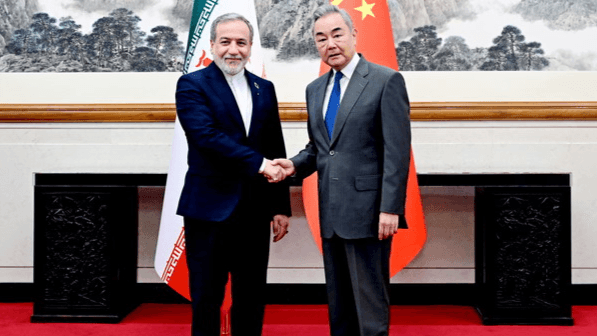
China’s top diplomat Wang Yi urged Iran and the U.S. to remain rational and exercise restraint, and to return to the interim peace deal they signed in June, telling Iranian Foreign Minister Abbas Araqchi in Beijing on Wednesday to "rebuild the negotiation mechanism based on the consensus reached so far."
Reuters said Wang also urged all parties to take effective measures to reopen the Strait of Hormuz at an early date, and it reported that the talks came a week ahead of an expected meeting between Chinese President Xi Jinping and U.S. President Donald Trump in Washington.
Xinhua similarly reported that Wang told Araqchi that the continued prolongation of the U.S.-Iran conflict "is not in the common interest of the parties concerned and the international community."
The Xinhua account said Wang encouraged Iran and the United States to return to the Islamabad Memorandum of Understanding (MoU) at an early date and to conduct substantive consultations on issues of respective concern.
The Reuters report added that Araqchi said Iran, "while fully prepared to powerfully defend its national sovereignty and territorial integrity," welcomes diplomatic solutions that ensure the rights of the Iranian nation.
Hormuz, Yemen, Red Sea
Wang Yi told Araqchi that China urged all parties to take effective measures to reopen the Strait of Hormuz at an early date, framing it as a way to safeguard the stability of international energy transport and supply chains.
Reuters quoted Wang saying China "does not want to see regional tensions to spill over further into Yemen and the Red Sea," while it also reported that Beijing had largely refrained from directly challenging Tehran’s threats to shipping.
Anadolu Ajansı reported that Wang said China does “not want regional tensions to spill further over into Yemen and the Red Sea,” and it added that the Chinese diplomat called for all parties to stop further complicating the situation and resolve issues through dialogue and negotiation.
Anadolu Ajansı also stated that the memorandum was signed in June after mediation by Pakistan and Qatar, and it said Wang urged the reopening of the Strait of Hormuz while maintaining the safety and smooth flow of international shipping lanes.
In the same Reuters account, Wang said the talks between the two diplomats came ahead of an expected Xi-Trump meeting in Washington, with U.S. Treasury Secretary Scott Bessent saying Trump and Xi would continue discussions on Iran and China’s financial links to Tehran.
Diplomatic framework and stakes
Reuters reported that Wang urged Iran and the U.S. to return to the interim peace deal they signed in June and to engage in substantive consultations, while it said the talks between the two diplomats came a week before an expected meeting between Xi and Trump in Washington.
Xinhua described the same meeting in Beijing as Wang’s call for Iran and the U.S. to return to the Islamabad Memorandum of Understanding (MoU) at an early date, rebuild the negotiation mechanism on the basis of the consensus reached so far, and conduct substantive consultations on issues of respective concern.
The Anadolu Ajansı account added that the memorandum was signed in June after mediation by Pakistan and Qatar, and it said Wednesday’s meeting marked their second in-person talks in the Chinese capital since the U.S. and Israel launched strikes on Iran on Feb. 28.
Anadolu Ajansı also stated that China is one of the largest importers of Iranian oil and that bilateral trade volume climbed to over $41 billion last year, while it described the conflict as having expanded across the region.
In the Reuters report, Wang warned that the current situation once again demonstrates that the existing security architecture in the Middle East is inadequate and needs to be reformed and strengthened.