Sudan21 July, 20262 min read
WFP Warns El Obeid, Sudan, Hunger Crisis Worsens as Displacement Surges
This article is an automated aggregation of coverage from news outlets. Our editorials offer in-depth analysis curated by the NewsCord team.
Displacement to El Obeid surges, making it epicenter of Sudan's hunger crisis. WFP warns rising hunger needs threaten gains amid dwindling aid and funding shortages.

El Obeid hunger epicenter
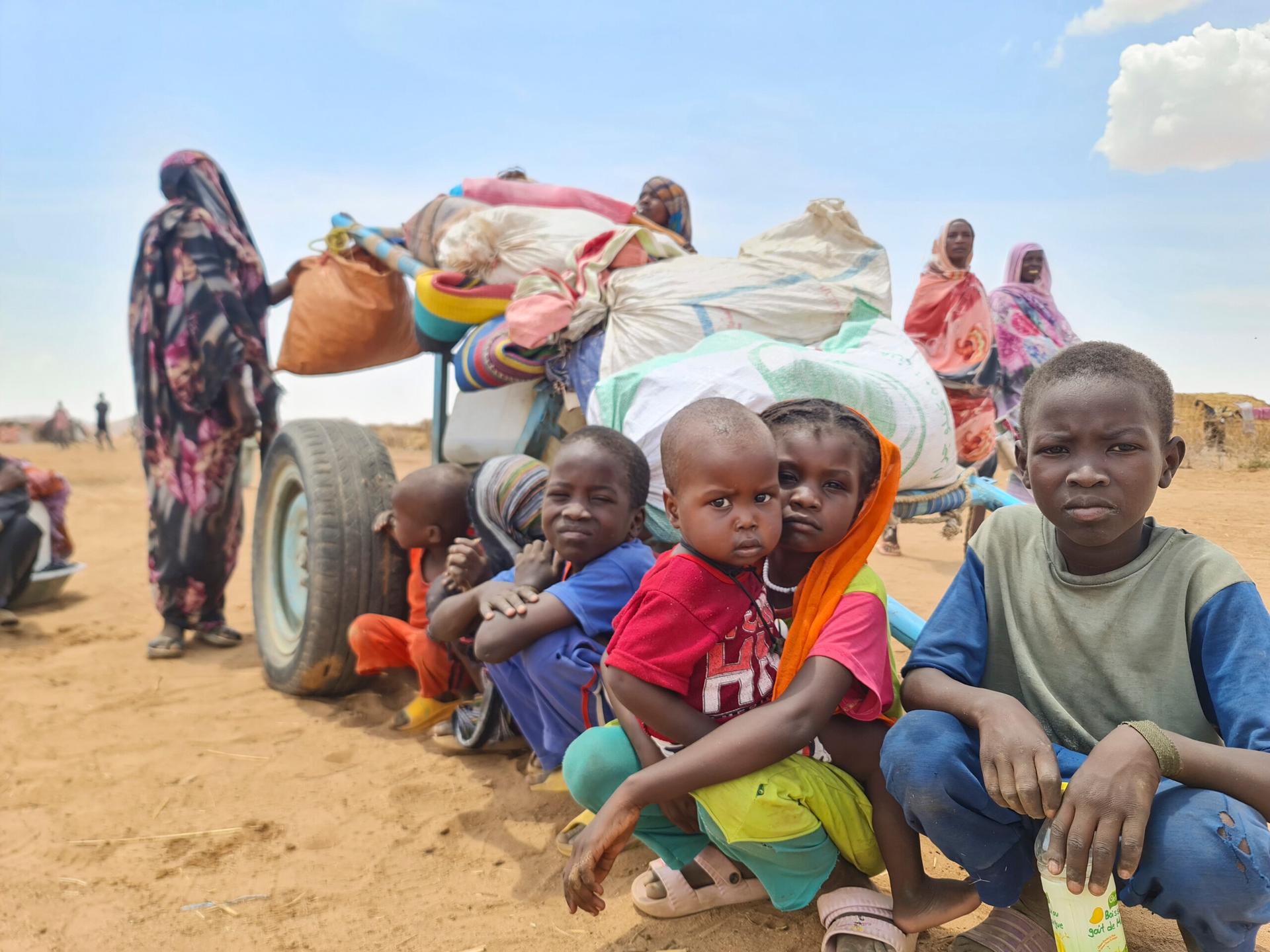
The United Nations World Food Programme warned that El Obeid, the capital of Sudan’s North Kordofan state, is rapidly deteriorating as displacement towards the city grows, driving up humanitarian food needs. WFP said the city is hosting hundreds of thousands of internally displaced people, possibly doubling the size of the city, while food, fuel, and water supplies are scarce and camps are beyond capacity.
WFP reported that regular power outages are disrupting water supplies in El Obeid, contributing to shortages of safe drinking water, and that more than 30 new cholera cases have been recorded. Across Sheikan district, which includes El Obeid and neighbouring Bara and Gharb Bara districts, WFP said nearly 400,000 people are already experiencing emergency levels of acute food insecurity (IPC 4), meaning they need immediate food assistance to prevent hunger-related deaths.
Rations cut, aid strained
WFP said it is assisting just over 100,000 people in El Obeid, primarily with food but also some cash assistance, but severe funding shortfalls mean people only receive 50 percent rations. Dabanga Radio TV Online quoted WFP’s Sudan country director, Abdallah Aldawart, saying: “People are only receiving 50 per cent of the food they should,” as fuel shortages and power cuts continue to disrupt deliveries and water pumping.
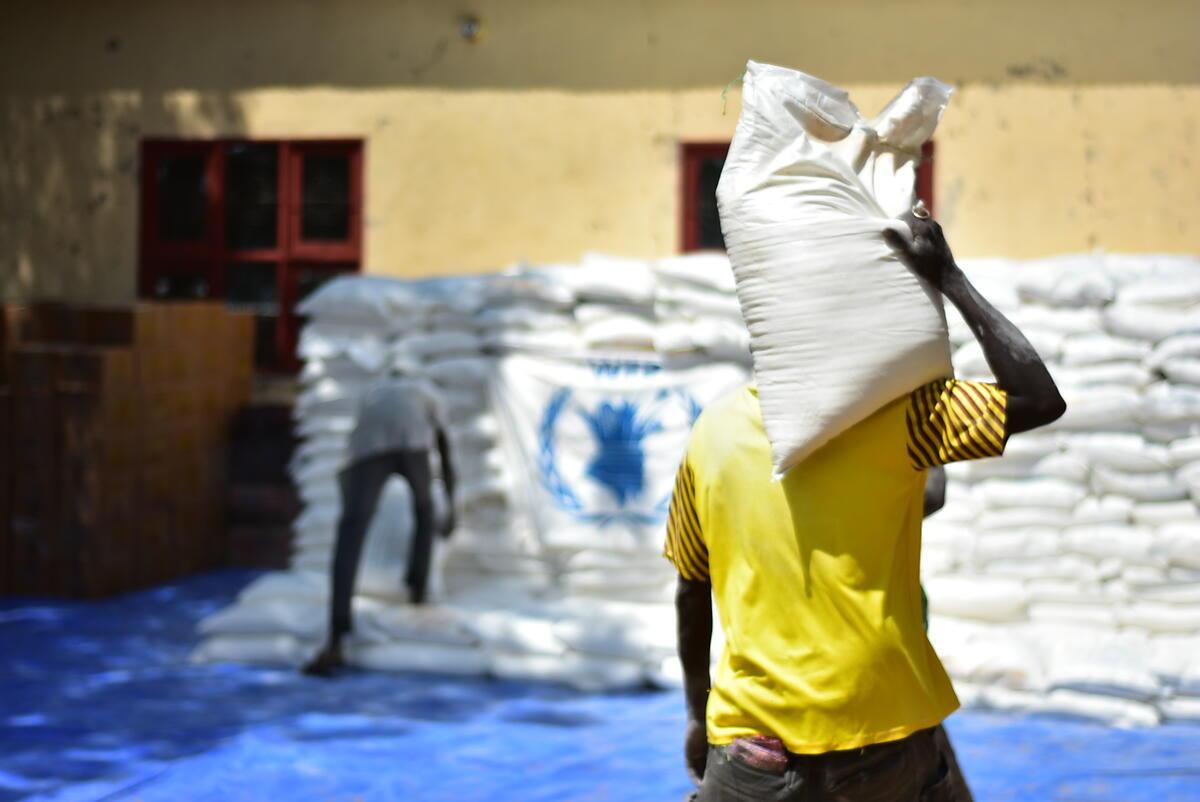
WFP said WFP trucks are helping to move 200 metric tons of food each day from NGO partner warehouses to food distribution points, while the WFP-led Logistics Cluster launched common storage services in El Obeid providing partners with 500 square metres of storage space. WFP also warned that armed clashes, drone strikes, and insecurity continue to restrict humanitarian movements, and that in June alone active conflict prevented WFP from delivering lifesaving assistance to an estimated 200,000 people.
Stocks run down by autumn
WFP warned that food stocks are being positioned to scale up hot meals and in-kind food assistance to more than 250,000 people in or around El Obeid if conditions allow, but it said supplies for a potential El Obeid response have been redirected from stocks originally intended for rainy season prepositioning. WFP said this means it will not be able to support communities as planned during the rainy season, which has already begun in parts of the country, while it faces severe strain across Sudan where more than 19.5 million people are acutely food insecure.
The agency said its food stocks will be severely depleted by September and fully exhausted in October, and that specialized food to prevent and treat malnutrition will start running out in August. WFP said it requires USD 646 million from June to November 2026 to reach a planned 8.5 million people with lifesaving assistance and support to rebuild food production, warning that without sustained funding and safe access hard-won gains risk being reversed.