Europe · 06 July, 2026 · 2 min read
Pedro Sánchez Warns Spain as France Battles Wildfire Near Bordeaux, Evacuating Nearly 220,000
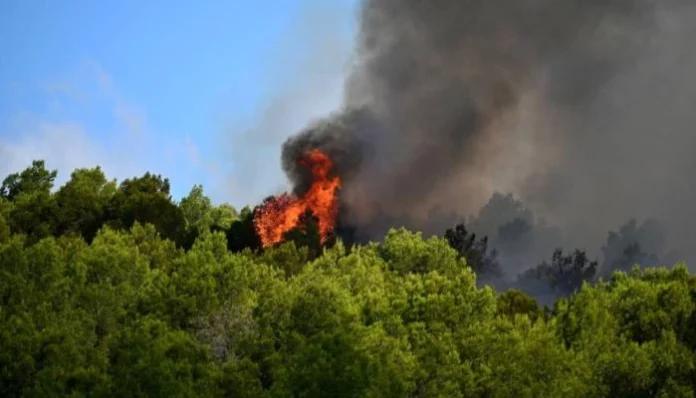
Approximately 220,000 people evacuated in Gironde as wildfires threaten Bordeaux. The fire was around 15 kilometers from Bordeaux, endangering the city.
Whether Bordeaux city evacuation is imminent or rejected.
10 of 12 outlets skipped it: airport closed and Bordeaux trains stopped.
71outlets compared
Same story, two versions
tap a side to read it in full
Clarin
“El aeropuerto está cerrado y ya no salen trenes de Burdeos hacia el sur y el País Vasco debido al fuego.”Read the original ↗
The Guardian
“Authorities in France are battling to contain a huge wildfire near Bordeaux in the south-west”Read the original ↗
Clarin spotlights Bordeaux-transport and defence-industry exposure; Guardian/AP lead with firefighting.
Bordeaux-area wildfire surges
Authorities in France battled a huge wildfire near Bordeaux in the Gironde region as Spain’s prime minister, Pedro Sánchez, warned Spain and the Iberian peninsula were suffering the effects of the climate emergency.
“nearly 220,000 people to be evacuated”
The Gironde blaze consumed an area four times the size of Paris and caused nearly 220,000 people to be evacuated, with Bordeaux mayor Thomas Cazenave describing it as being “at the gates of the metropolitan area”.
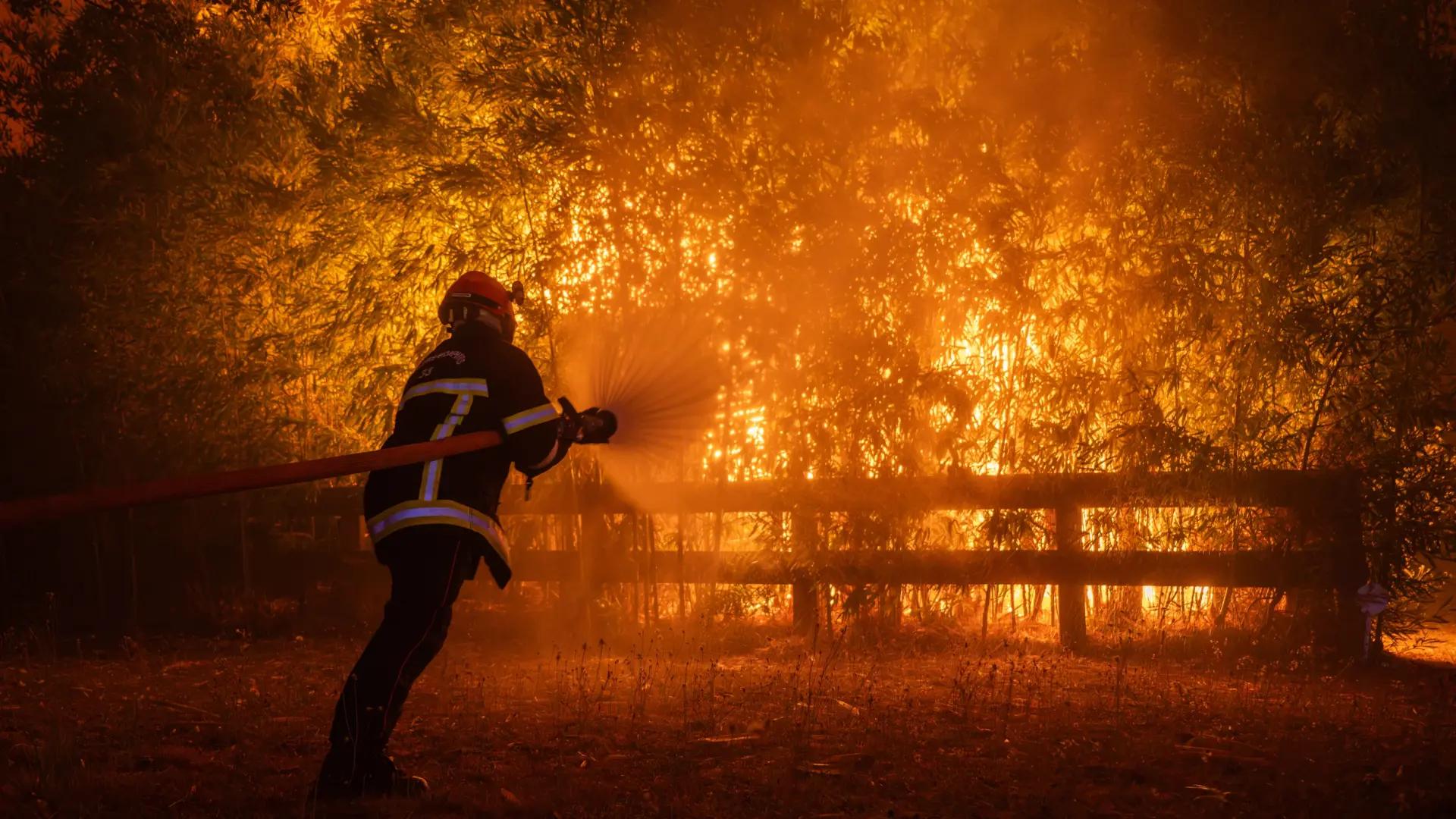
France’s interior minister, Laurent Nuñez, said the previous night had been difficult and that the Gironde fire became “extremely virulent and unpredictable again” on Saturday night, generating its own wind and spreading erratically toward the Bordeaux metropolitan area.
In Spain, fires west of Madrid were being brought under control, but Sánchez said he faced “difficult hours,” while emergency workers also battled a new fire near the Mediterranean port city of València where at least 15,000 people were evacuated.
Officials warn, Pope prays
French Interior Minister Laurent Nunez posted on X that “The situation remains very unfavorable,” and he said the fire “became extremely virulent again and unpredictable, generating its own winds and advancing erratically toward the Bordeaux metropolitan area.”
At the end of his Sunday Angelus prayer, Pope Leo XIV referenced “the devastating wildfires” in France and Spain and said: “I express my solidarity and invite everyone to pray for those affected and for the work of the rescue workers.”
Bordeaux Mayor Thomas Cazenave said an evacuation of the city was not on the cards, and he described the blaze as being “at the gates of the metropolitan area,” about 15 kilometers (9 miles) away at its closest point.
In Spain, Prime Minister Pedro Sánchez said “We still have some difficult hours ahead,” but described the night as “very positive in terms of bringing the flames under control,” while Valencia’s regional president Juanfran Perez Llorca said the fire was “beyond our capacity to extinguish” with a perimeter of about 21km.
Evacuations, injuries, and next risks
Across France and Spain, wildfires forced approximately 375,000 people to flee their homes, with France’s interior ministry reporting that in France nearly 260,000 had been forced to flee and in neighbouring Spain 116,000 had been evacuated this week.
“Wildfires have forced approximately 375,000 people to flee their homes”
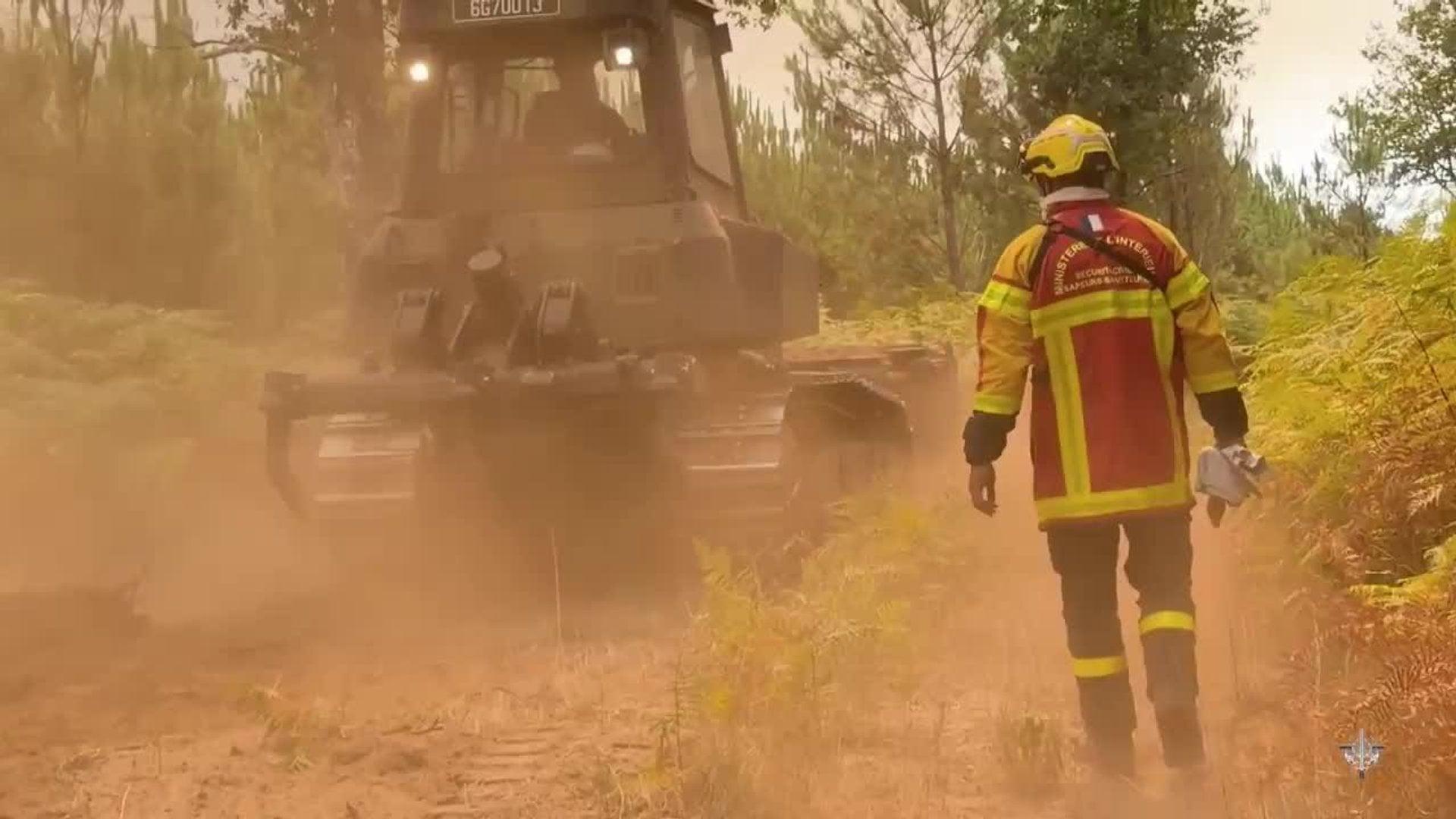
In Gironde, the latest situation report published on Sunday by the prefecture said the fire had injured 75 firefighters, 10 of whom had been evacuated, while authorities deployed about 2,500 firefighters (including a Swiss team), 1,500 military personnel and about 1,200 police.
The AP reported that the evacuation operation in France ranked among the biggest seen since World War II, with more than 250,000 people ordered out of the danger zone in one region alone, and it said evacuees would not be allowed back until the blaze was brought under control.
In Spain, authorities said a man died in a wildfire in Manises, and the Associated Press reported that the number of people forced to flee their homes by wildfires in Spain in recent days had reached 116,000, as emergency workers continued battling blazes near Madrid and València.