Cryptoupdated 21m ago3 min read
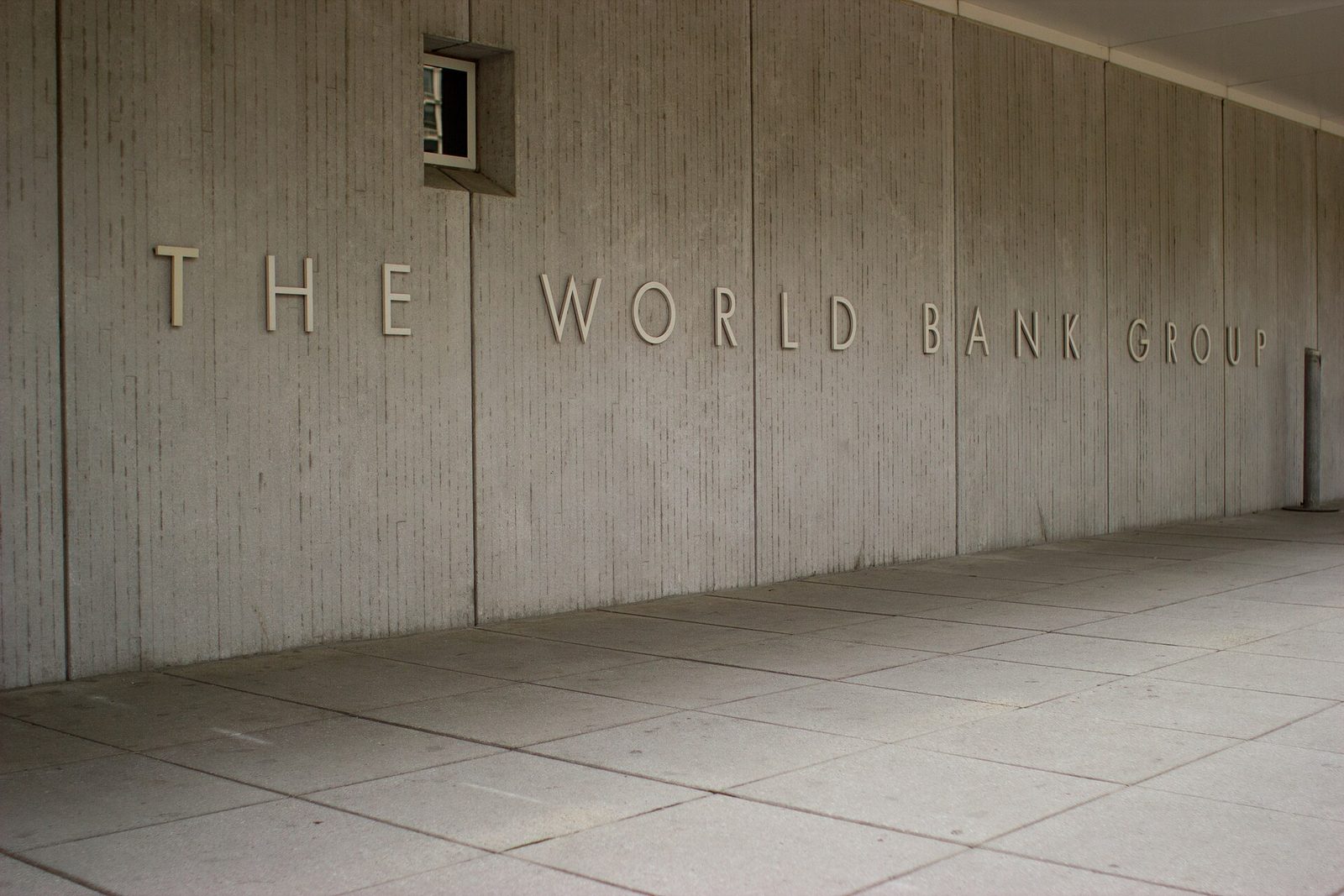
Archive photo · 16 May 2012World Bank Group Explores USDC Stablecoin Payments With Citi and Circle
5 Western Alternative4 Other1 West AsianPhoto: Victorgrigas, CC BY-SA 3.0 · Cropped for layout
This article is an automated aggregation of coverage from news outlets. Our editorials offer in-depth analysis curated by the NewsCord team.
World Bank to test USDC-based disbursements with Circle and Citi. Aims to speed up and cut costs of development finance transfers.
Save coverage image
World Bank studies USDC
The World Bank Group said it will explore regulated stablecoin payments with Citi and Circle, minting and settling funds in USDC rather than launching a production system. The World Bank Group framed the work as a commitment to explore regulated stablecoin infrastructure, and it said the initial phase will focus on an intermediated and interoperable stablecoin-based payment model. The World Bank Group said the initial work will engage borrower countries where the use of digital assets is supported and permitted, and it said it may later explore working with other banks.
The World Bank Group said the study will examine whether dollar-denominated stablecoins and blockchain rails could improve the correspondent banking arrangements it uses now, with Citi supplying its existing banking rails and Circle supplying the infrastructure to mint and settle funds in USDC. World Bank Group President Ajay Banga said, "This initiative is about exploring ways to make the financial plumbing of development work better for the people who need it most," as the bank linked faster, cheaper transfers to development outcomes.
Roles for Citi and Circle
Circle said it is building an internet-native financial system, and Circle CEO Jeremy Allaire argued that "Money that moves at the speed of the internet shouldn't be reserved for the world's biggest banks and corporations." The World Bank Group said Citi would provide its existing connections to established banking rails, while Circle would provide stablecoin payments infrastructure to mint and settle funds in USDC. Shahmir Khaliq, head of services at Citi, said the collaboration would deliver "24/7 capabilities at scale so that critical funds move in real time," and he described Citi as bridging trusted institutional banking rails with next-generation digital assets.
The World Bank Group said the initiative will build on FundsChain, which tracks flows across more than 350 projects in 96 countries, and it said the project will initially focus on an intermediated and interoperable stablecoin-based payment model. The World Bank Group said it will work with Citi and Circle to see how payments in stablecoins tied to the US dollar could fit into the banking network it already uses to send money abroad.
What the pilot could change
The World Bank Group said the initiative is set to test blockchain-based payment rails alongside traditional correspondent banking to improve existing funds disbursement arrangements. The World Bank Group said the first phase will be limited to borrower countries where digital assets are supported and permitted under local law, and it said it may later bring in additional banks to widen coverage. The World Bank Group said the work will be limited to an intermediated and interoperable stablecoin-based payment model, and it said it will study whether stablecoins could speed up and cut the cost of fund disbursements.
The World Bank Group said it delivered $123.5 billion in loans, grants, equity investments, and guarantees in the fiscal year ended June 30, 2026, and it said this includes $35.8 billion in Sub-Saharan Africa, $25.1 billion in Latin America and the Caribbean, and $24.6 billion in Europe and Central Asia. The World Bank Group said Ajay Banga linked faster, lower cost transfers to real development impact, including "a health clinic gets built on time" and "a farmer gets paid before the harvest season ends".