Yemen · 13 September, 2026 · 3 min read
Saudi Arabia Temporarily Closes East-West Oil Pipeline After Drone Attacks From Iraq
Saudi East-West pipeline temporarily shut after drone strikes launched from Iraq. Houthi attacks wounded 73, hit Aramco sites in Abha, Jizan, Najran, Khamis Mushait.
Who launched the drones.
3 of 5 outlets skipped it: iraq dismissed a commander after investigations confirmed drones originated in Iraq.
510outlets compared
Same story, two versions
tap a side to read it in full
ABC News
“The Houthis have also launched attacks on Saudi oil facilities and tankers in the Red Sea.”Read the original ↗
ABC News & Headlines – Australian Broadcasting Corporation
“Saudi Arabia says drones launched from Iraq have hit a major oil pipeline and led to its closure,”Read the original ↗
ABC News stresses Houthi escalation, while ABC Australian Broadcasting attributes the pipeline strike to drones launched from Iraq.
Pipeline Closure After Drone Attacks
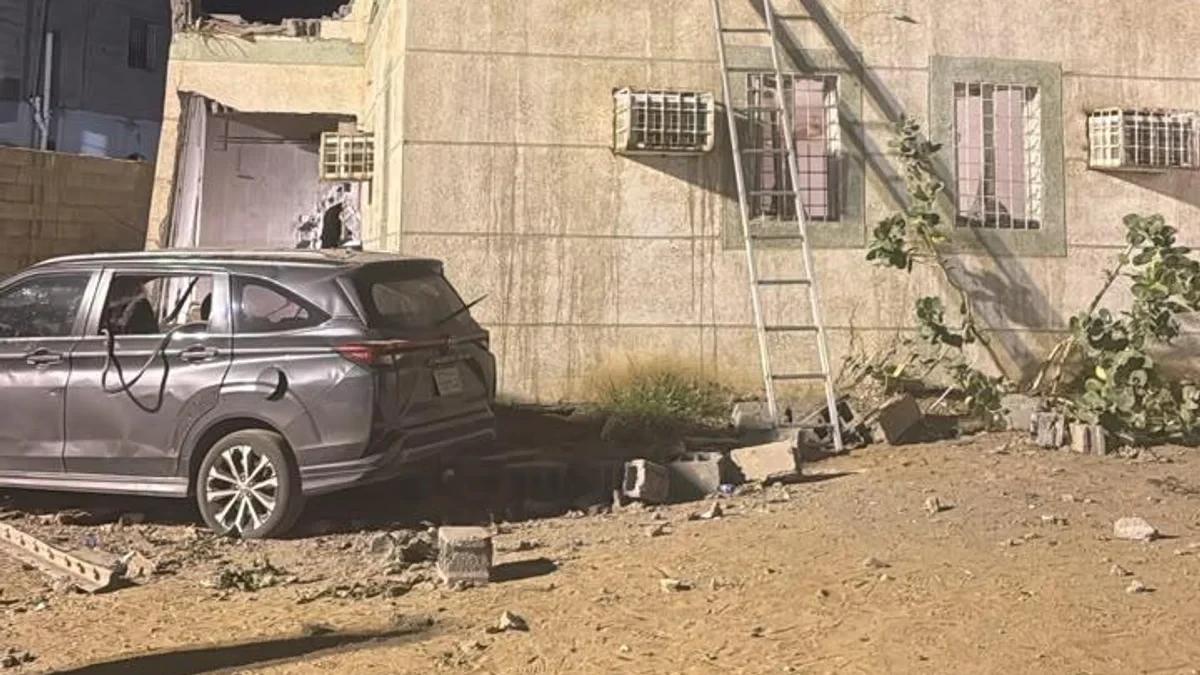
Saudi authorities announced the preventive closure of the East-West pipeline as a precaution after energy infrastructure suffered several attacks during Thursday morning in the Riyadh and Medina regions, according to the Saudi Energy Ministry.
“Saudi authorities have announced the preventive closure of the East-West pipeline”
The foreign ministry condemned "the targeting of the East–West pipeline in the Riyadh and Medina regions by several drones coming from Iraq, which caused human injuries and damage" and said the pipeline was temporarily closed as a precaution after the attacks.

An energy ministry official told SPA that the pipeline was temporarily closed as a precaution after the attacks on Thursday morning, local time.
The ABC News & Headlines report said Saudi Arabia shut down the major, cross-country oil pipeline on Friday after it was attacked the day before, calling it a "precautionary measure" and blaming drones that came from Iraq.A
The same report said Riyadh chose not to respond at this stage and to support the efforts of the Iraqi government "to prevent attacks launched from Iraq against the Kingdom and neighbouring countries".
Houthi Strikes and Saudi Retaliation
Houthi attacks on Saudi Arabia ignited fires at oil facilities and utilities in the kingdom's southern region and wounded 73 people, authorities said, as the attacks hit the Saudi cities of Abha, Jazan, Najran and Khamis Mushait.
Maj. Gen. Turki al-Maliki, a spokesperson for the Saudi-led coalition fighting in Yemen, said the attacks wounded 73 people, including women and children, and called them a "serious escalation" and a "flagrant violation of the kingdom's sovereignty, and a direct threat to the security and safety of its citizens and residents."
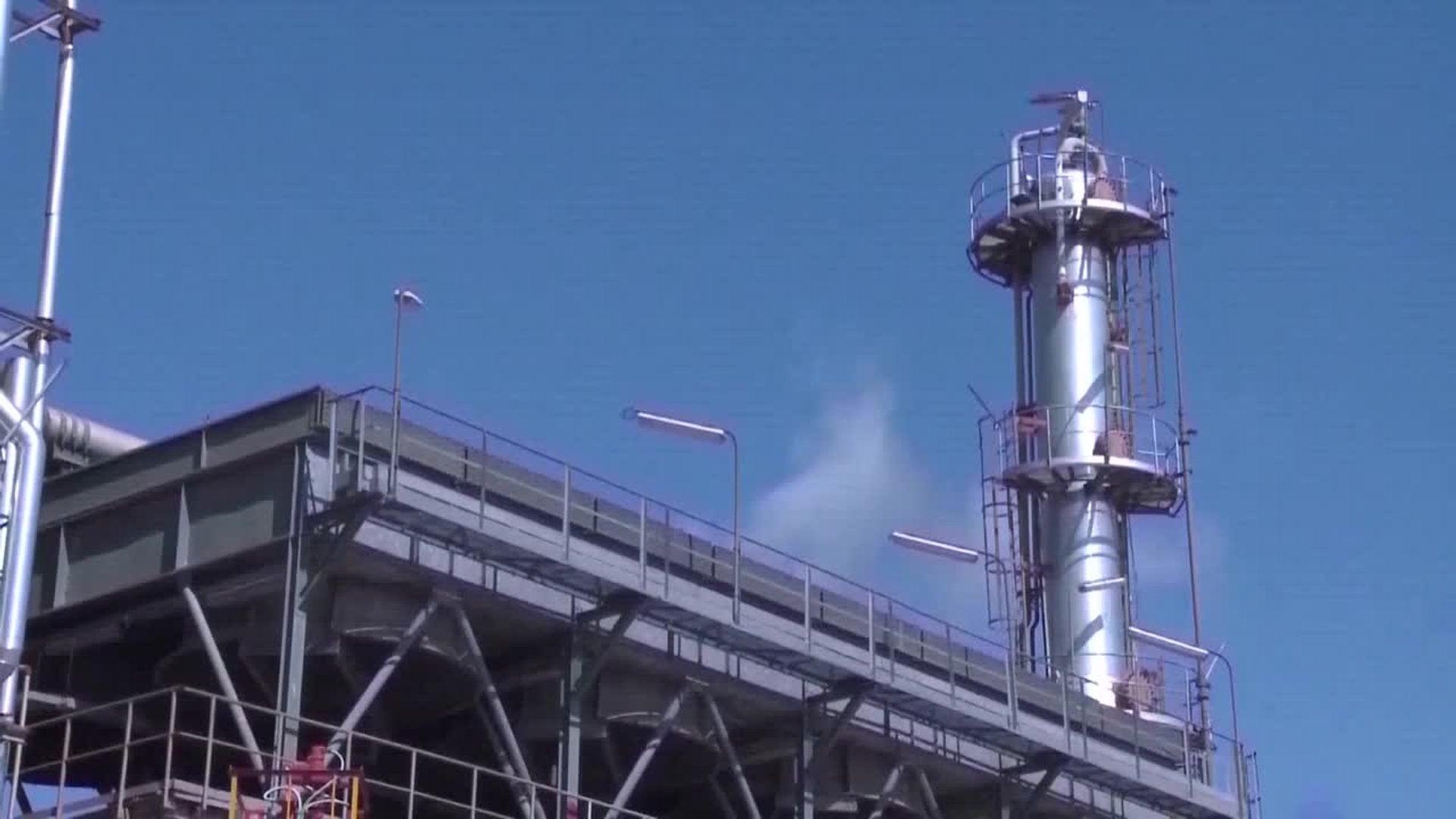
In a prerecorded video statement, Brig. Gen. Yahya Saree said the rebels fired dozens of ballistic missiles and drones at oil and economic facilities, as well as an air base in southern Saudi Arabia.
The Houthi-affiliated armed forces said in a statement that the attack targeted "Aramco in Abha, Najran, the Economic City, and Aramco Jizan, and the Khamis Mushait Air Base," with "dozens of ballistic missiles and drones."
The Saudi Energy Ministry said operations at the oil facilities and utilities were temporarily suspended while firefighters battled the fires Tuesday morning.
Yemen Front, Regional Pressure
The escalation in Yemen came as the Houthis made territorial gains along the Bab el-Mandeb Strait, with the capture of Mayun, a tiny, barren volcanic island inside the strait also known as Perim, confirmed by a senior military official with Yemen's internationally recognized government and by a Houthi official.
“The capture of Mayun, a tiny, barren volcanic island inside the strait also known as Perim”
The Houthis vowed "escalation for escalation" and declared that "maritime navigation is safe for all companies except for Saudi vessels," while the ABC7 Chicago report said the Houthis' efforts to close the 28-kilometer-wide (17-mile) Bab el-Mandeb channel could complicate Saudi oil exports through key shipping lanes.
The ABC7 New York report said Iraq's government confirmed the attacks on Saudi Arabia's East-West pipeline had originated from its territory, pledged to investigate and dismissed two senior officials.
Iraq set a Sept. 30 deadline for nonstate groups to disarm, but the report said several of the most powerful militias have said they will not comply, including the Iran-backed ones.
U.S. President Donald Trump said Iran was "probably" responsible for the pipeline attack, while he also said, "The Houthis called us, and they don't want to fight with us," and that they were "letting most ships go through."