Africa10 February, 20262 min read
Zimbabwe Cabinet Approves Constitutional Amendment to Extend Mnangagwa's Rule to 2030
This article is an automated aggregation of coverage from news outlets. Our editorials offer in-depth analysis curated by the NewsCord team.
Cabinet approved draft changing presidential terms from five to seven years, enabling Mnangagwa until 2030 Presidents would be chosen by MPs instead of by direct popular vote
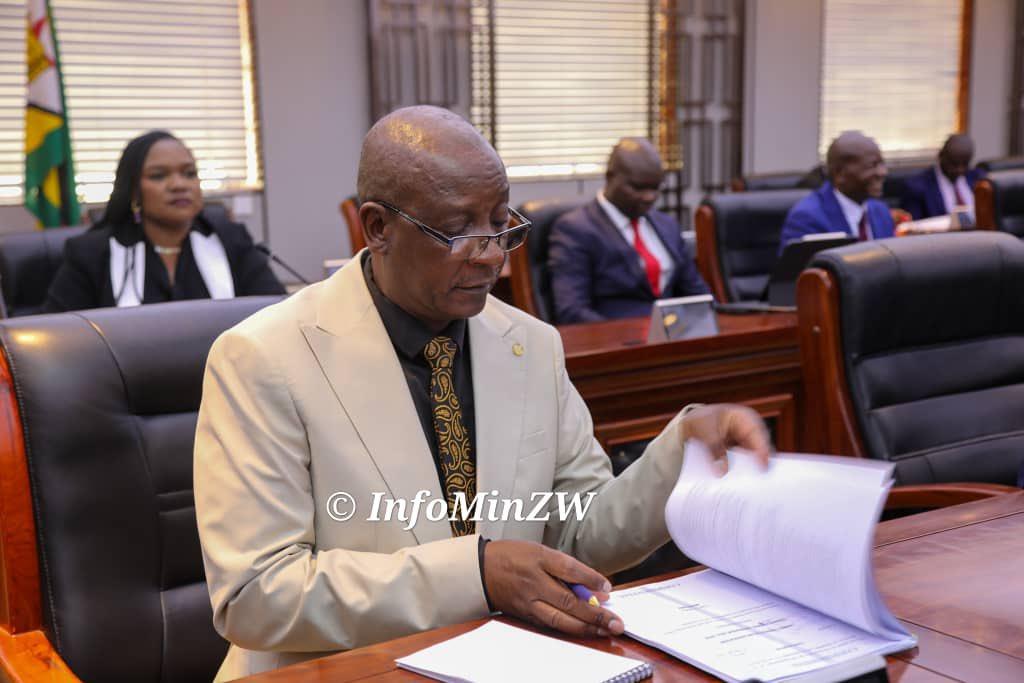
5 outlets told this the same way.
Zimbabwe constitutional change proposal
Zimbabwe’s cabinet has approved draft legislation to amend the constitution in ways that would allow President Emmerson Mnangagwa, 83, to remain in office until 2030. The key proposed changes reported across sources include lengthening presidential terms from five to seven years, switching the election of the president from a direct popular vote to selection by parliament, and increasing the Senate by 10 appointed senators, changes described as measures that would strengthen presidential influence.
“Zimbabwe’s cabinet has approved draft legislation to amend the constitution in ways that would allow President Emmerson Mnangagwa, 83, to remain in office until 2030.”
Justice Minister Ziyambi Ziyambi said the bill will be sent to the parliamentary speaker and published before lawmakers debate it. Sources present these facts consistently and highlight the core legal changes and the government's procedural next steps.

Opposition and legal response
Opposition figures and legal experts have strongly criticised the move. Multiple sources report Jameson Timba calling the proposals 'politically destabilising'. They say activists and opposition lawyers will seek legal and regional or international support to resist the changes.
Zimlive names additional opponents, including lawyer Thabani Mpofu who called the effort 'illegitimate' and constitutional expert Lovemore Madhuku, who pledged the proposals will be 'fought and defeated'. Al Jazeera and The Straits Times report opposition leaders intend to challenge the bill both legally and politically.

Zimbabwe political context
Political context is emphasised across the reporting. ZANU‑PF has governed since independence in 1980 and holds strong parliamentary majorities that make passage of amendments likely.
“The governing ZANU-PF party, which has ruled since independence in 1980 and holds a two-thirds majority in the lower house and firm control of the upper house, is positioned to push the changes through.”
Mnangagwa's personal political timeline is foregrounded: he is 83, came to power after a 2017 coup, and is currently due to leave office in 2028 after two five-year terms but could remain until 2030 under the proposed changes. Sources present these points consistently but with differing context and emphasis.
Constitutional amendment process
Officials say the draft will be sent to the parliamentary speaker and published in the official gazette before parliamentary consideration, according to Justice Minister Ziyambi Ziyambi and multiple sources.
Sources differ on the implications: the government frames the amendments as ensuring political stability and policy continuity, while opposition and legal commentators warn the move would capture the constitution and bypass necessary public participation.
Media reporting differences
Reporting across outlets shows consistent core facts but differences in emphasis and language. Al Jazeera provides the government's framing alongside opposition condemnation. The Straits Times adds regional context and notes the coup background for Mnangagwa.
“The cabinet framed the amendments as measures to 'enhance political stability and policy continuity,' but opposition figures have condemned the move as an attempt to extend Mnangagwa’s rule and capture the constitution.”
ZimLive focuses on legal legitimacy, names legal opponents, and uses stronger language such as "effectively rewrite parts of the constitution". Given these differences, the situation is contested and will depend on parliamentary procedure and legal challenges. Sources agree the next formal steps are the bill's publication and parliamentary consideration.