Technology and Science10 September, 20263 min read
Afghanistan’s Ministry of Public Health Delivers Care to Over 99,000 Cancer Patients in Kabul
This article is an automated aggregation of coverage from news outlets. Our editorials offer in-depth analysis curated by the NewsCord team.
Ministry provided specialized cancer care to over 99,000 patients in the past year. A 200-bed National Cancer Diagnostic and Therapeutic Hospital operates in Kabul.

5 outlets told this the same way.
Cancer care scale-up
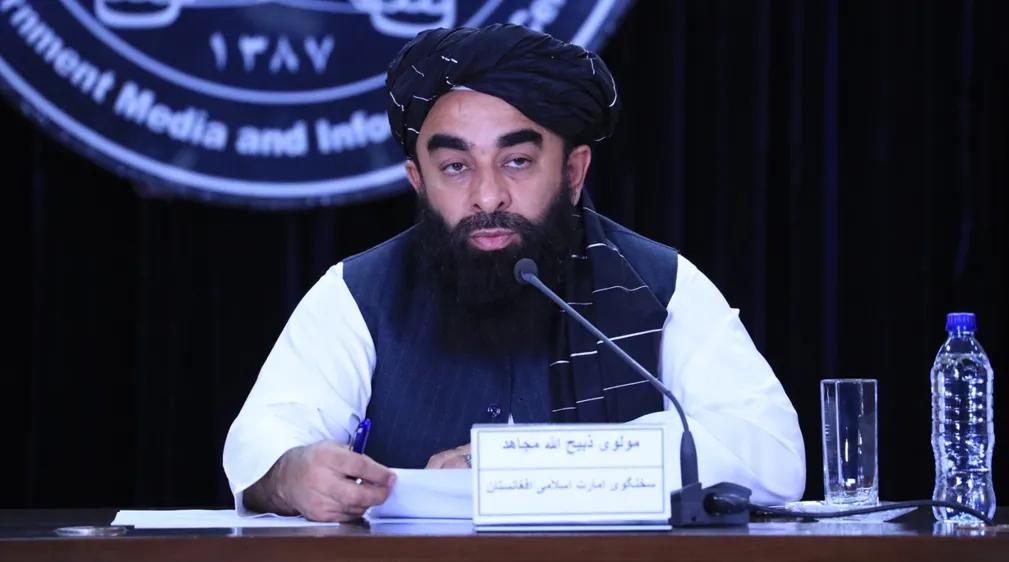
Afghanistan’s Ministry of Public Health provided specialized healthcare services to more than 99,000 cancer patients over the past year, government spokesman Zabihullah Mujahid announced on Wednesday. Mujahid said a 200-bed hospital dedicated to cancer diagnosis and treatment has become operational in Kabul, and dedicated oncology units have been established at regional hospitals in Balkh, Herat, Nangarhar and Kandahar provinces. During the same period, health workers performed 228,000 major surgical interventions and 384,000 minor procedures, while delivering care for 1.3 million childbirths, Mujahid added.
The ministry also completed and brought into operation 60 healthcare infrastructure projects across the country, including 24 district hospitals, 25 health centers, an emergency services unit, a cardiac surgery unit, four intensive care units, four hemodialysis units and a specialized pediatric treatment facility. Mujahid further said the ministry signed 350 memorandums of understanding with national and international non-governmental organizations to strengthen the health sector and enhance service delivery over the period.
Registration vs incidence
KabulNow reported that Taliban spokesperson Zabihullah Mujahid said nearly 99,000 people with cancer received health services in Afghanistan over the past year, with the figure referring to patients registered and treated at government health facilities. KabulNow said Mujahid announced that a 200-bed hospital specializing in the diagnosis and treatment of cancer has begun operating in Kabul, and it framed the Taliban figure as substantially higher than cancer incidence figures previously reported by Afghanistan’s former Ministry of Public Health. The outlet said annual reports before 2021 estimated that around 20,000 people were diagnosed with cancer each year, with approximately 15,000 dying within six months to one year of diagnosis, while noting the two figures are not directly comparable.
KabulNow also cited International Agency for Research on Cancer (IARC) estimates that in 2022 there were an estimated 24,275 new cancer cases and 16,923 cancer deaths in Afghanistan, and it listed breast cancer as the most commonly diagnosed cancer in 2022. It added that cancer treatment remains challenging because specialized diagnostic and treatment services are heavily concentrated in Kabul, while patients outside the capital often have to travel long distances for diagnosis, chemotherapy, surgery and other forms of treatment.
Hidden burden and mental health
The World Health Organization said noncommunicable diseases are causing devastating losses to Afghanistan’s health system, with heart disease, diabetes, cancer, and chronic lung diseases accounting for 43% of the country’s deaths and expected to rise to more than 60% by 2030.
WHO reported that thousands of Afghan families face long waiting lists for treatment, with life-saving care difficult to access in a timely manner, especially in rural areas, and it said cardiovascular diseases alone claim the lives of more than 40,000 people each year.
On cancer specifically, WHO said most patients seek medical help only at advanced stages (Stage III or IV), when treatment is far less effective, and it highlighted breast cancer and cervical cancer among the three most common cancers.
WHO also described mental health as one of the most urgent concerns, estimating that one in five Afghans suffers from a mental health condition, and it said provincial hospitals and primary health care services still lack mental health services.
WHO representative in Afghanistan, Dr. Edwin Sinezor Salvador, said, “Across Afghanistan, millions face a daily burden from chronic diseases and mental health problems, which places enormous pressure on an already fragile health system.”
 World Health Organization