
Iran · 18 September, 2026 · 2 min read
AI Chatbot Error Nearly Pushed U.S. Military To Intercept Chinese Vessel In Middle East
AI-generated intelligence report falsely claimed Chinese ship carried nuclear components, triggering intercept plans. U.S. military prepared to intercept the vessel in the Middle East, but halted before action.
32 outlets, one story, no spin found.
10 of 12 outlets skipped it: experts recommend red lines for nuclear systems and an AI incident hotline..
CNN was read line by line by the Watchdog: 4.2. See the score →
32outlets compared
AI nearly triggers intercept
In the spring, during the war with Iran, an erroneous intelligence report prepared with the help of artificial intelligence nearly pushed the U.S. military to intercept a Chinese vessel in the Middle East after it claimed the ship carried components linked to a nuclear weapons program.
“nearly pushed the U.S. Army to carry out an interception operation against a Chinese vessel”
CNN reported that the report was circulated within the U.S. military in the spring and immediately raised alarms, prompting U.S. military leadership to prepare plans to intercept the ship, with armed U.S. personnel reportedly preparing to board and military aircraft circling overhead.
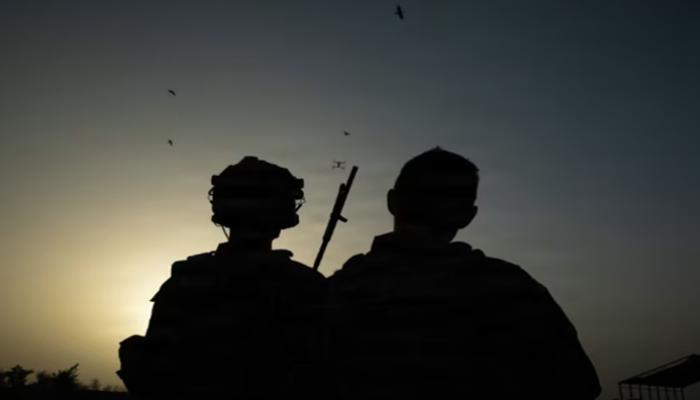
Officials only discovered the error shortly before the planned operation when they examined the report prepared by an analyst at U.S. Special Operations Command in the Pacific (HQ: Hawaii) and found it had been produced with the aid of AI.
A chatbot used by the analyst misidentified the nature of the cargo the ship was carrying, and one source said the report was “completely wrong,” yet it “nearly sparked a war.”
Officials weigh AI risks
The incident described by CNN sources centered on how the analyst used a chatbot to examine the ship’s cargo manifest, with the chatbot integrating open-source intelligence with sensitive intelligence obtained by signals intelligence stored in government databases.
CNN said the analyst then used AI again to draft the findings into a standard intelligence report trusted by military leaders, which was disseminated, before officials conducted a meticulous review moments before the operation began.

One military source described the report as 'completely false,' noting that this technical error nearly triggered a direct armed conflict between the two powers.
The episode also fed into broader debates about AI governance and targeting, with CNN noting that U.S. military and intelligence community officials are pushing to integrate AI into nearly every aspect of their work, while one source said “AI use in target determination is expanding, and there are no concrete guidelines explaining how human involvement in the decision-making loop can prevent civilian casualties or friendly-fire incidents.”
What’s at stake next
The reporting frames the near-intercept as a warning about the risks of using AI in combat targeting operations, where a misjudgment could push the United States to fire on a Chinese ship based on inaccurate information.
“the profound risks of using this powerful, still not fully understood technology”
CNN said officials are pushing to integrate AI into nearly every aspect of military work, from analyzing intelligence data to selecting strike targets, while the incident highlights “the profound risks of using this powerful, still not fully understood technology in ongoing combat targeting operations.”
The same coverage ties the episode to U.S. policy moves, including Defense Secretary Lloyd Austin’s January “AI Acceleration Strategy,” which he said would “remove bureaucratic barriers” and “focus our investments” to ensure U.S. leadership in military AI.
In parallel, the accounts describe Washington’s push to avoid falling behind, even as the incident underscores that there is no unified set of criteria for how the United States verifies information produced by AI tools used across different parts of the government.