Iran · 18 September, 2026 · 3 min read
Lee Jae Myung Rejects Troop Deployment to Strait of Hormuz in US War Against Iran
Lee Jae Myung: Seoul will not deploy troops to the Strait of Hormuz. He stated the stance despite pressure from President Trump to support the Iran war.
Whether emphasis is on domestic opposition or US pressure.
8 of 9 outlets skipped it: taipei Times adds a CGA Taiwan Coast Guard ship and Manila visit detail.
Tehran Times was read line by line by the Watchdog: 1.7. See the score →
11outlets compared
Same story, two versions
tap a side to read it in full
The New York Times
“On Friday, Mr. Lee firmly rejected any military involvement in the Middle East conflict.”Read the original ↗
Al Jazeera links the Iran dispute to Trump-Kim talks; NYT focuses tightly on troop refusal.
No troops, minimum role
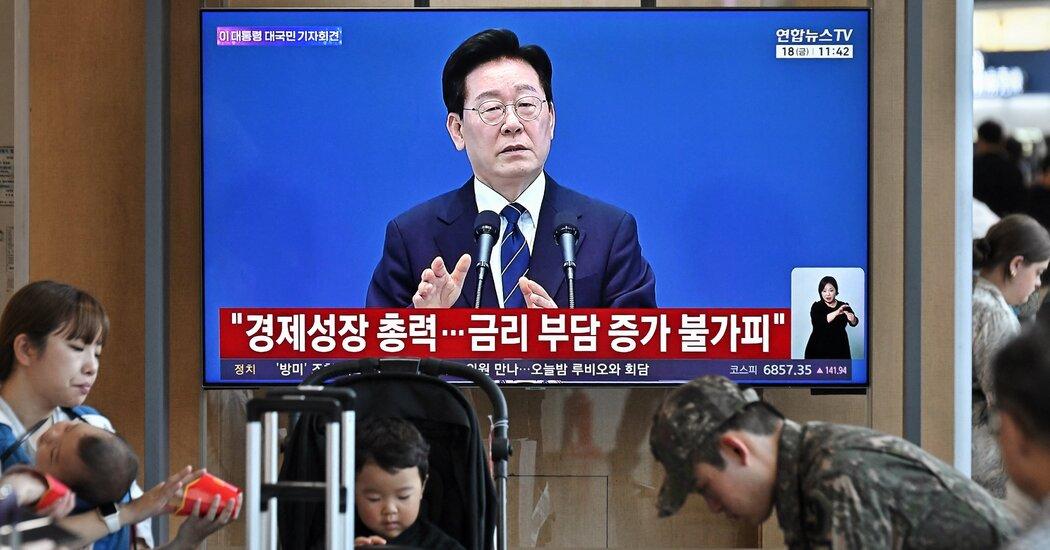
South Korean President Lee Jae Myung ruled out deploying troops or military assets to the Strait of Hormuz to join the US war against Iran, saying, “There will be no dispatch of troops or military assets that would lead to involvement in a conflict.”
“There will be no participation or intervention in the war. We will not deploy troops or military resources in that way”
Lee said Seoul would instead “carry out the minimum necessary activities” to protect its merchant ships and oil transport routes while reviewing ways to strengthen the role of its Cheonghae naval unit, which was launched in 2009 for anti-piracy operations off the Somali coast and expanded to the Strait of Hormuz in 2020.

The decision came as South Korea faced pressure from US President Donald Trump, who has complained about “very little help” from other countries and pointed to South Korea as an example.
NBC News reported that Lee said Seoul would not deploy military assets “in any form to that end,” while also reviewing whether to play a greater role in safeguarding navigation in the region.
The Guardian added that Lee said South Korea would do “the minimum as other countries do to protect our commercial shipping and crude shipments, and also the safety of our people.”
Trump pressure and domestic
Lee’s stance was framed by Al Jazeera as a response to Trump’s push for dialogue with Pyongyang while Seoul “confirmed Seoul will not be deploying troops to intervene militarily in the Iran war.”A
Al Jazeera reported Lee said, “Let it be clear. AThere will be no dispatch of troops that will lead to involvement in a conflict,” and said Seoul would carry out “the minimum necessary activities” to protect its own merchant ships and oil shipping routes.
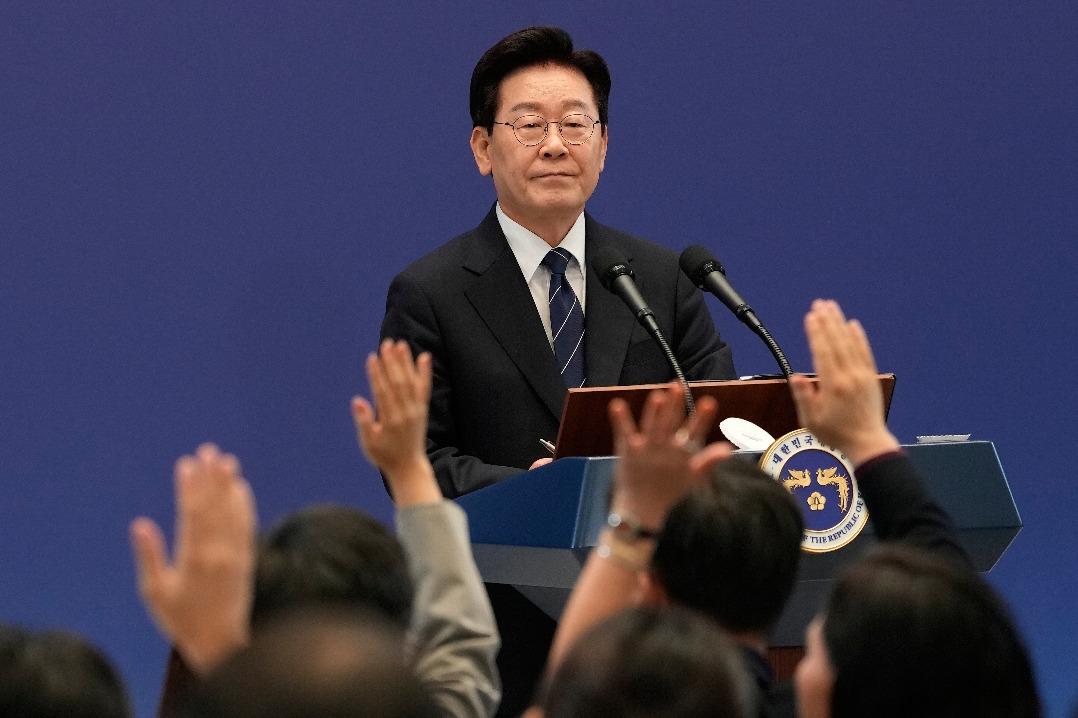
The Taipei Times linked Lee’s refusal to a domestic political fight, saying his approval ratings plunged to a fresh record low of 37 percent in a poll released yesterday, down from a high of 67 percent earlier this year.
Taipei Times also quoted Zeitgeist Institute director Eom Kyeong-young warning that Lee’s remarks “might further fuel tension with key security partner Washington,” adding, “Just imagine how the US would feel hearing that.”
China Daily Global Edition reported Lee’s approval rating fell to 33.8 percent, its lowest level since he took office, and said the decline followed negative sentiment over the possible deployment of troops to the Strait of Hormuz.
Energy stakes and Iranian warning
The dispute over Iran support is tied to energy security, with La Razón saying South Korea depends on the Middle East for about 70% of its crude oil imports and that nearly 95% passes through the Strait of Hormuz.
“it will face "severe consequences"”
La Razón reported that Iran’s Foreign Ministry spokesman Ismail Bagaei warned Seoul that if it participates in military operations in the Strait of Hormuz it will face “severe consequences.”
La Razón also quoted Lee saying, “If we renounce transporting crude due to the risk of low-intensity conflict, the blow to the economy would be too large,” and that he ordered studying entry into the Red Sea.
In parallel, the Guardian said Lee was reviewing whether to play a greater role in safeguarding navigation and noted South Korea maintains a naval presence off the coast of Somalia as part of an anti-piracy mission.
The New York Times reported Lee emphasized that even if South Korean assets move closer to the Red Sea or the Strait of Hormuz, their sole focus would be protecting South Korean oil tankers and other commercial vessels, and that they “will not participate in any operations that could be interpreted as supporting the war against Iran.”T