Technology and Science · 10 August, 2026 · 3 min read
National Drought Group Declares 71.3% of England in Drought, Expanding Flash Drought Areas
Seventy-one point three percent of England in drought after July's record dryness. Drought areas: East Midlands; Lincolnshire and Northamptonshire; Kent and East Sussex; Solent and South Downs.
Climate-change framing vs predominantly official/operational reporting.
7 of 8 outlets skipped it: river normal levels: only 14% at normal, 22% exceptionally low.
17outlets compared
Same story, two versions
tap a side to read it in full
GOV.UK
“We want everyone to stay safe and hydrated over the summer, but we need everyone’s help in using a little less water”Read the original ↗
Kent Online
“fuelled by climate change, which is mostly caused by burning fossil fuels in power plants, in vehicles”Read the original ↗
Adds or omits causal attribution to climate change, shaping reader interpretation.
Flash drought spreads
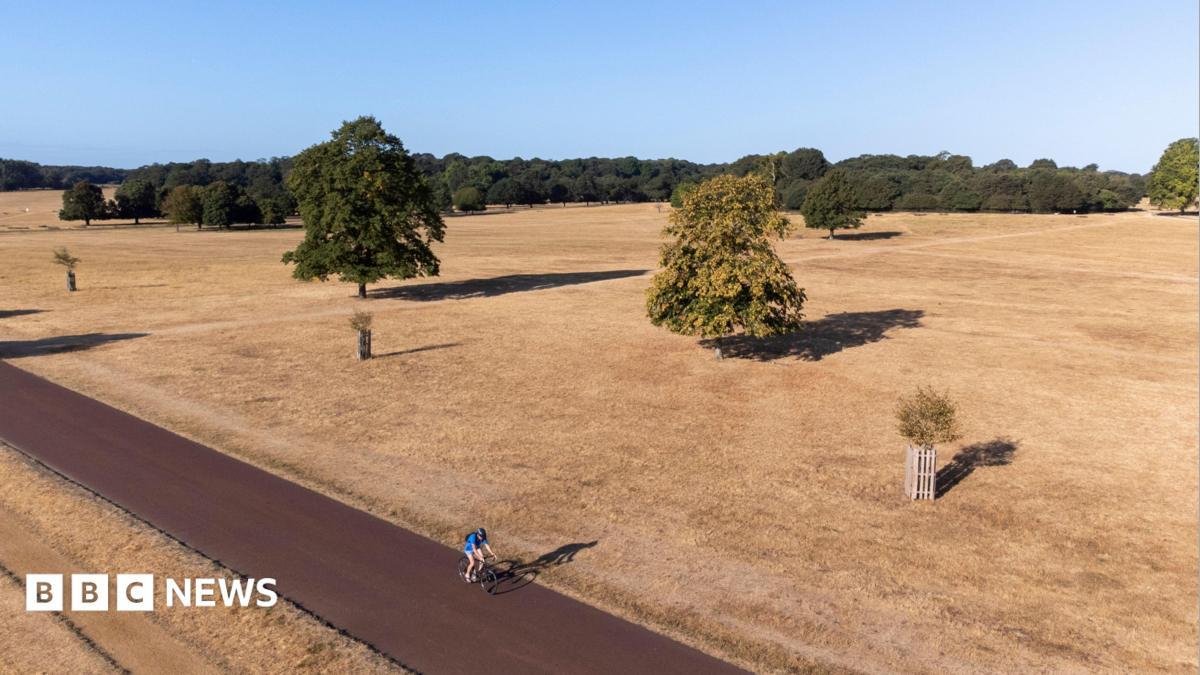
England’s drought emergency expanded as the National Drought Group declared 71.3% of the country in drought, with the East Midlands, Lincolnshire & Northamptonshire, Kent & East Sussex, and Solent & the South Downs moving into drought status on Monday. The government said most of England is experiencing a “flash drought”, which develops very quickly “brought about by a combination of very low rainfall and higher temperatures,” and that the driest July in 190 years preceded the worsening conditions. The Environment Agency’s Tony Grayling said, “Drought conditions are worsening and will continue to do so until we see significant and sustained rainfall,” while the BBC reported that Yorkshire and north-east England were moved to “prolonged dry weather” status, the stage before drought.
The BBC also said 45 million people are now living in a drought area in England and more than 27 million are facing water use restrictions, as the week ahead remained forecast to stay mostly dry with the fifth heatwave of the year intensifying. In parallel, the drought’s impacts were tied to falling water levels and rising temperatures, with the BBC noting that “Only 14% of England's rivers are considered to be at normal levels” and that 22% are “exceptionally low” including the River Avon and the River Ely Ouse.
Warnings and heat alerts
As the drought deepened, the BBC said the UK Health Security Agency issued amber heat health alerts for all of England apart from the North East from Tuesday at 09:00 BST until Friday at 21:00 BST, warning that an amber alert means significant impacts “are likely” across health and social care services. Tony Grayling told the public that “we need everyone's help in using a little less water to make sure our current water reserves last,” and the government message emphasized staying safe and hydrated while restrictions remained in place. The BBC linked the continued hot and dry conditions to a higher wildfire risk, reporting that dozens of firefighters were battling a fire in the New Forest that earlier on Monday was estimated to be the size of 140 football pitches (247 acres).
Sky News added that the summer’s fifth heatwave was set to hit later this week, and it quoted Grayling saying drought conditions would continue to worsen until the country sees “significant and sustained rainfall.” Sky News also reported that warmer rivers can put fish “under severe stress that can quickly become life-threatening,” and it said the Environment Agency had carried out dozens of fish rescues, including 38 in the West Midlands on the River Teme and River Redlake.

What’s at stake next
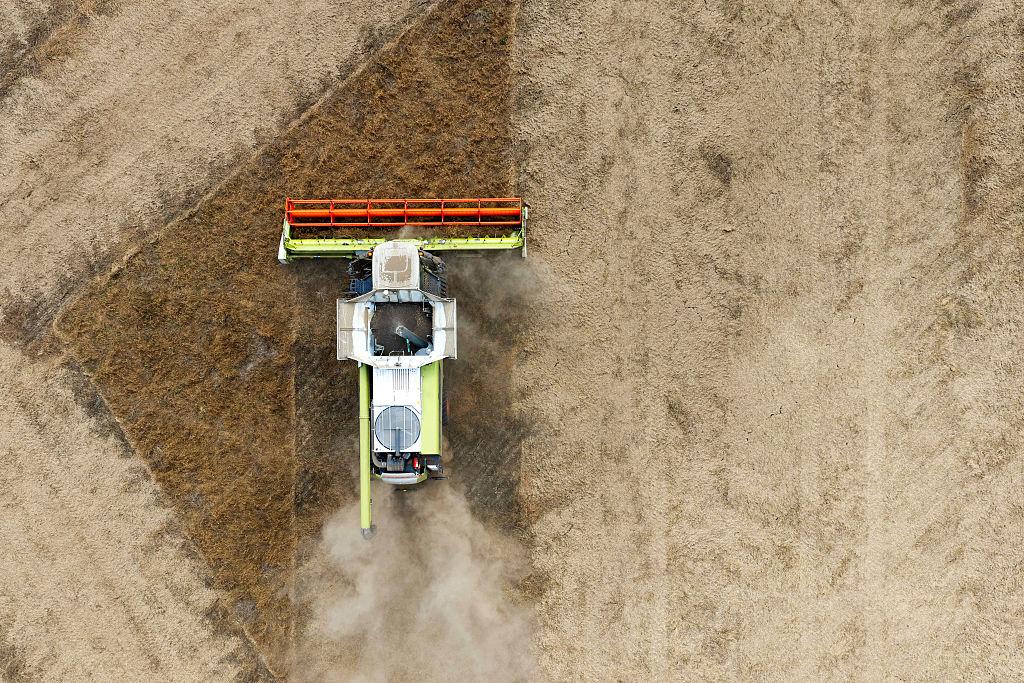
The drought response was framed as both immediate and structural, with the BBC reporting that Water Minister Emma Hardy said the government is working to make it easier for farmers to build more on-site irrigation reservoirs and that it is delivering “long-term change” in the water industry to reduce leaks and deliver nine new reservoirs. The BBC also said the Environment Agency warned low water levels had resulted in potential navigation issues for boats on the Thames, Lark and Ouse, while reservoir levels continued to decline with almost all across England below normal and five classed as “exceptionally low”. In farming, the BBC reported that farmers had reported reduced output after their earliest harvests in 20 years, with the National Farmers Union warning that continued dry weather could lead to some food shortages.
The BBC quoted NFU president Tom Bradshaw saying yields of wheat and oats were “very, very poor” this year and that livestock farmers had to use their winter feed rations because they have been unable to grow grass. The BBC further warned that warmer water is putting fish under “severe stress,” quoting Mark Owen, head of fisheries at the Angling Trust, and it included Emma Pinchbeck’s warning that the UK is “not prepared at all” for the prolonged dry weather and the way it will change up to 2050.