Climate17 November, 20263 min read
Archive photo · 23 October 2023Analysis Names Russia, Saudi Arabia and Australia Biggest CO2 Exporters in History
“apportions responsibility for CO2 emissions based on the country extracting the fossil fuels, in contrast to most analyses, which look to the countries where the CO2 is released.”
“A less-familiar way to look at the question of historical responsibility is to consider where fossil fuels are extracted.”
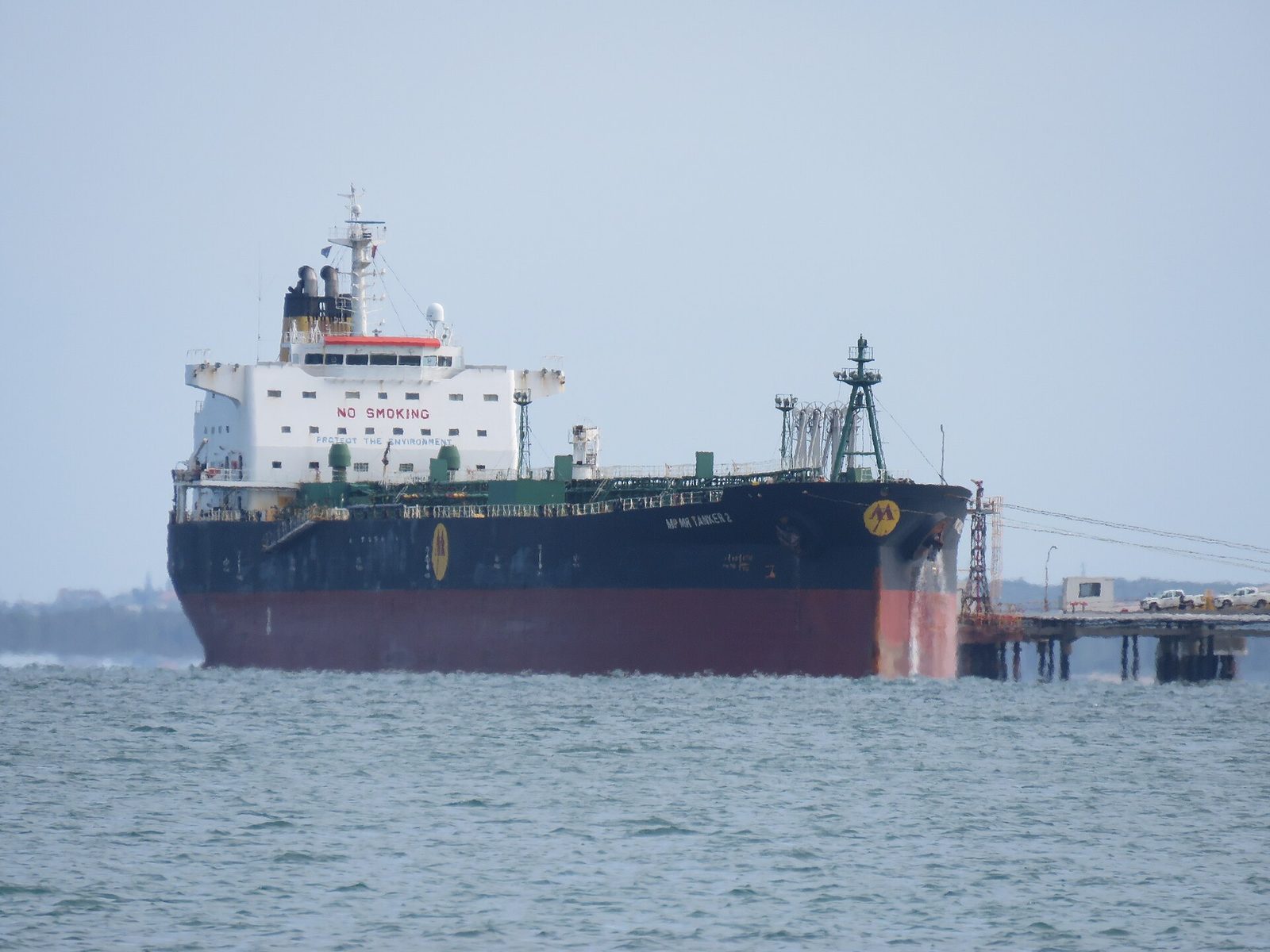
Photo: Calistemon, CC BY-SA 4.0 · Cropped for layout
This article is an automated aggregation of coverage from news outlets. Our editorials offer in-depth analysis curated by the NewsCord team.
Russia, Saudi Arabia and Australia are the three largest historical CO2 exporters. Russia accounts for about 70 gigatonnes of CO2 from exports through 2025.
Save coverage image
The Guardian was read line by line by the Watchdog: 3.0. See the score →
Exporters ranked by CO2
Carbon Brief analysis identified Russia, Saudi Arabia and COP31 co-president Australia as the largest exporters of carbon dioxide in history, attributing emissions to the countries extracting fossil fuels rather than those burning them. Its extraction-based accounting is based on figures compiled by Robbie Andrew, a senior researcher at Norwegian climate institute CICERO, and it calculated that Australia is responsible for more than twice as much global warming when including emissions from its fossil-fuel exports. Russia has been responsible for almost 70 gigatonnes of CO2 exported, while Saudi Arabia has exported about 60 gigatonnes and Australia has responsibility for more than 25 gigatonnes, with the analysis apportioning responsibility based on extraction since 1850.
The analysis is being discussed as Australia acts as president of Cop31, which is now into its second week in Turkey, and Australia has yet to set an end point for the use or export of fossil fuels that make up about two-fifths of its export economy. Carbon Brief said the analysis shows that overall the US and China retain the largest responsibility for historical warming under extraction-based accounting, despite having been net CO2 importers since 1850.
Debate over negotiations
Louise Hutchins, the convener of the Make Polluters Pay International Coalition, said: "This analysis tells you a lot about what’s going wrong with climate negotiations."
Hutchins added that "Just look at Australia. Its contribution to global heating more than doubles when fossil fuel exports are counted," while Australia co-presides over climate finance talks that she said are in stalemate.
At Cop31, on Monday afternoon, Australia issued a first draft of a potential outcome calling for "the immediate transition away from fossil fuels in energy systems," but many countries have hardened their negotiating positions since Dubai.
The Cop28 UN conference outcome in Dubai in 2023 called on all countries to contribute to a global fossil fuel transition but set no timetable or workplan, and Saudi Arabia and Russia and allies in the Arab group oppose a cover text.
Asad Rehman, the chief executive of Friends of the Earth, said: "It’s time for the deadly tango between the producers of fossil fuels, and those locked into dependency on oil and gas, to have its last dance."
What the findings change
Carbon Brief said there are many different ways to assign historical responsibility for current global warming, including approaches based on territorial emissions, the consumption of imported goods, colonial rule, or historical emissions per capita. Its extraction-based accounting puts the spotlight on major fossil-fuel exporters and calculated that Russia gained responsibility for an extra 69bn tonnes of CO2 from exported fossil fuels. The analysis shows that the US and China still bear greater responsibility for historical emissions than Russia, Saudi Arabia or Australia because they have imported vast quantities of fossil fuels and also burned their own supplies.
Climate Analytics published separate analysis on Tuesday, and the Guardian reported that it said Australia appeared to have no plans to curtail its own fossil fuel extraction, with coalmines still being permitted that could remain in operation until 2088. Bill Hare, CEO of Climate Analytics, said: "It’s abundantly clear Australia is not ‘doing its part'" as the prime minister claimed here in Turkey last week, and he described a "deep contradiction" between climate ambition abroad and approvals for coalmines and gasfields that lock in production for decades.