Technology and Science23 September, 20262 min read
António Guterres Says UN Early Warning Systems Still Leave Too Many People Exposed
This article is an automated aggregation of coverage from news outlets. Our editorials offer in-depth analysis curated by the NewsCord team.
Progress on multi-hazard early warning systems since 2022, but too many remain exposed. Comprehensive early warning systems reduce climate-disaster mortality sixfold vs. lacking systems.
Gaps in early warning
United Nations Secretary-General António Guterres said the Early Warning Systems for All goal has made real progress but that "too many people are still left exposed." The UN announced that the number of countries reporting they have an MHEWS increased from 113 to 136 since Guterres launched the goal in 2022. The UN said around 60 nations are still not covered 15 months ahead of the UN's 2027 deadline, and it highlighted that the largest gaps in coverage are mainly among the world's least developed countries, small island developing states and fragile and conflict-affected nations.
Guterres said, "We must close the remaining gaps, reach every country, and ensure that by the end of 2027, every person on earth is protected" as the initiative expands. Huw Beynon from the UN Disaster Risk Reduction Office said the systems had helped during floods in Kenya last year and when recent cyclones hit Madagascar.
Warnings that do not act
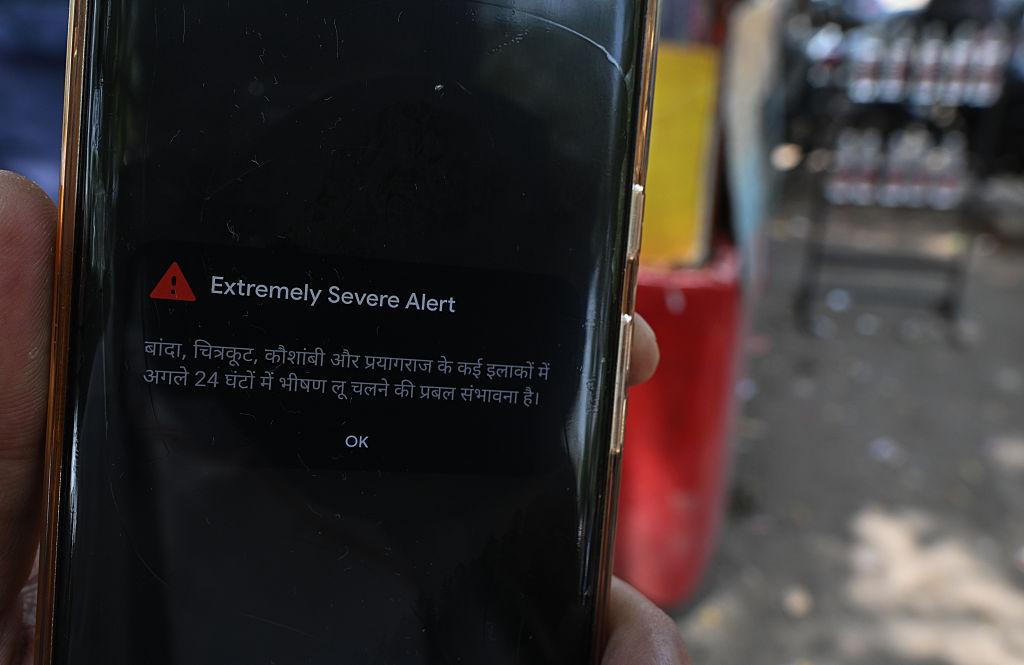
Huw Beynon said that while most countries have a MHEWS, most also report limited capacity, and he warned, "So you might have a warning disseminated but it's not leading to the right action." Nepali climate negotiator Manjeet Dhakal said Nepali authorities sent text messages to 600,000 people who were in, or had recently been in, an area where flooding was likely. Dhakal said the messages did not "articulate the magnitude of this disaster" and he added, "these are humans who have to craft that message and that scale of disaster has never [previously] occurred".
The report described how heavy rainfall led to floods in the Spanish city of Valencia in 2024, and it said some text messages with warnings were only sent out after flooding had started. Rohini Kohli, the UN Development Programme's head of climate adaptation policy, said a challenge for MHEWS in developing countries is a lack of foundational data, including equipment to measure rainfall, river levels and soil moisture.
Digital tools and training
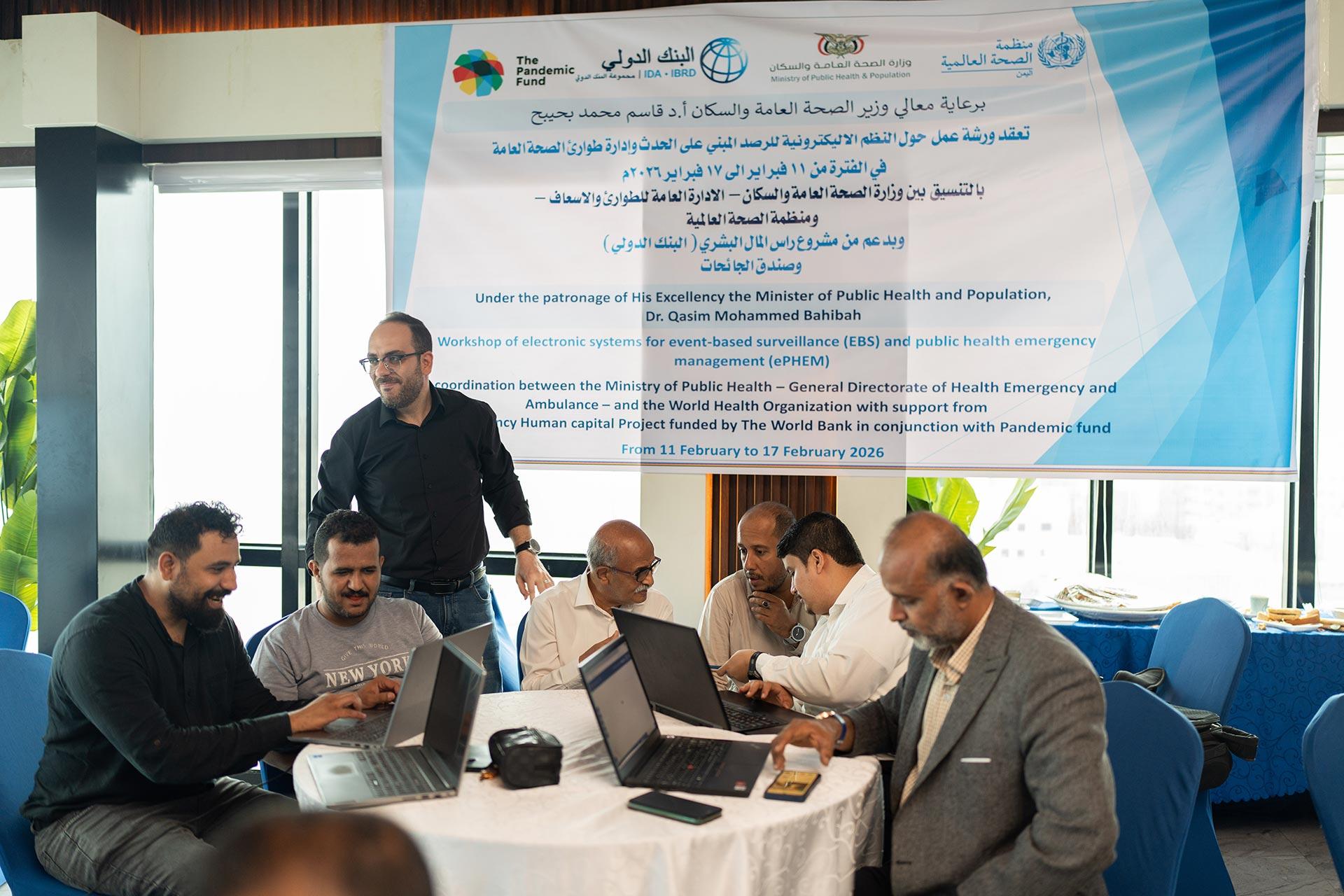
The World Health Organization held a training workshop in Aden from February 11 to 16, 2026 on event-based electronic surveillance systems and public health emergency management.
WHO said the workshop was implemented with support from the World Bank through the Emergency Human Capital Project and the Pandemic Control Fund, via the Epidemic Preparedness and Response Project.
WHO selected 37 participants from frontline staff in public health emergency operations centers, epidemiology departments, and relevant units at both central and local (governorate) levels.
Dr. Sayed Jafar, WHO Representative in Yemen, said, "Strengthening digital early warning and emergency management systems is vital in a context like Yemen where threats can emerge rapidly and resources are limited."
WHO added that the Open-Source Epidemiology platform enables health authorities to detect early signals of potential public health threats by analyzing publicly available information, such as news reports and online sources.