Technology and Science06 September, 20263 min read
BBC News Presenter Maryam Moshiri Says Incurable Blood Cancer After Polycythaemia Vera Diagnosis
This article is an automated aggregation of coverage from news outlets. Our editorials offer in-depth analysis curated by the NewsCord team.
Diagnosed nearly two years ago with polycythemia vera, a rare blood disorder. She says the cancer is incurable and she is undergoing treatment while continuing on-air duties.
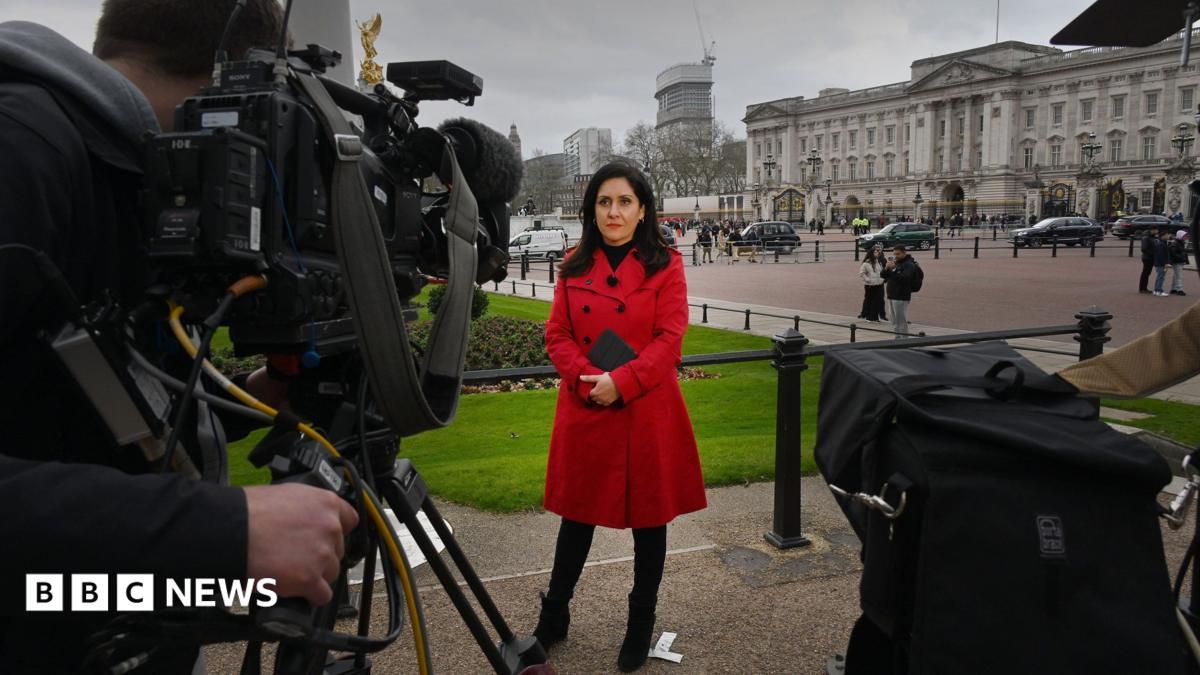
Diagnosis and treatment
BBC News presenter Maryam Moshiri, 49, said she is living with incurable blood cancer after being diagnosed with polycythaemia vera (PV) in November 2024. Moshiri told the BBC that she was “going to have to spend the rest of my life being treated for this,” and described PV as a condition where her body makes too many red blood cells, making blood thicker than normal. She said her initial treatment involved several “debilitating” hour-long sessions of venesections, and added that “in about a space of five months, I had venesection seven or eight times.”
The BBC reported that later she was able to get on an immunotherapy treatment called interferon through the NHS, and she said that after tweaks she had “only needed one venosection in about 15 months.” Moshiri also told The Times that her treatment was “is better than dying,” while The Mirror said she has been undergoing immunotherapy since her diagnosis two years ago following a menopause-related blood test.
Side effects and fatigue
Moshiri said the venesections left her iron levels hitting the floor and that she felt even more exhausted, and she described later symptoms including losing her hair and getting itchy all over her body. She told the BBC that she started feeling extremely unwell and tired, explaining that “fatigue” was the main symptom and that it is “the kind of fatigue that is not like I'm just tired and I didn't get a good night's sleep.” In her BBC interview, she said PV fatigue feels like “someone has removed your battery completely,” and she added that “however much sleep you get makes no difference.”
The Mirror reported that during her worst times she “wasn't there for my kids,” describing lying on the sofa while her son asked her to play football in the garden. The Telegraph said she described side effects from interferon as “horrendous” and included insomnia, headaches and itching that was “coming from inside” of her, while she said she was itching until she was bleeding through to her clothes.
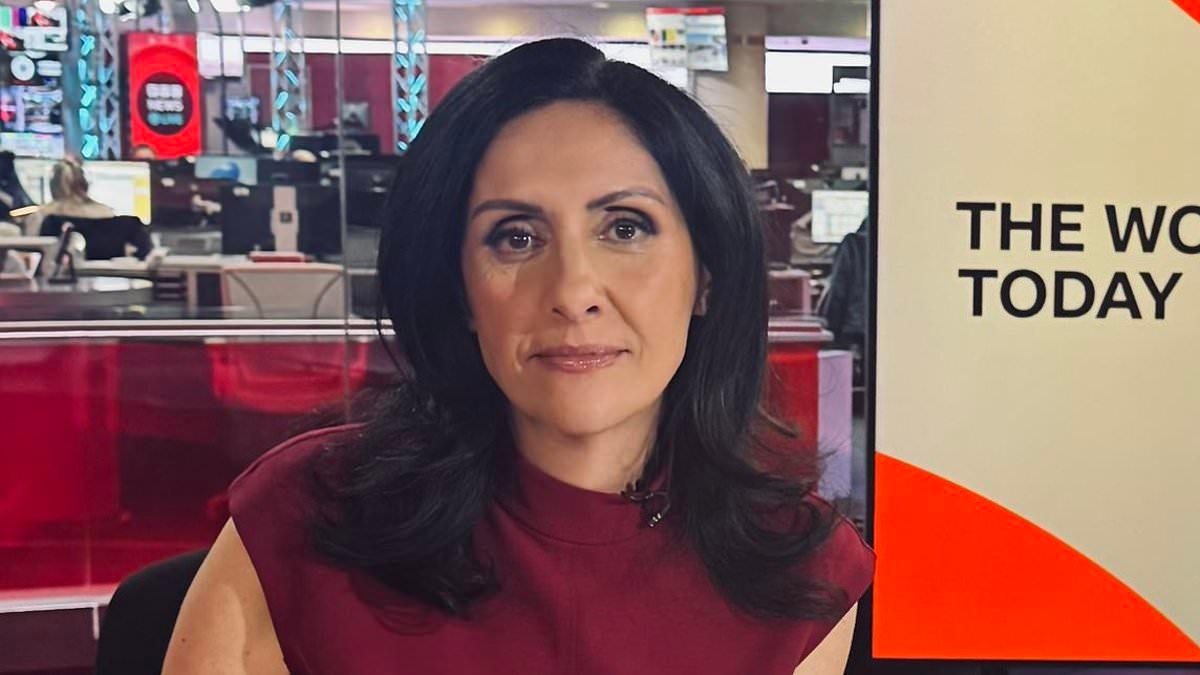
Awareness and what’s at risk
Moshiri said she wanted to share her diagnosis to raise awareness, telling the BBC, “It's been two years since my diagnosis and I've felt that I've started to understand the disease a lot better.” She warned that PV leads to a higher risk of developing blood clots that can cause a stroke, heart attack or deep vein thrombosis (DVT), and she said “People with PV have a higher chance of stroke, heart attack or DVT.” In the BBC account of her condition, she said she has had to adjust to life with PV, sometimes not being able to attend family occasions or play with her children because she is exhausted.
“People with PV have a higher chance of stroke, heart attack or DVT.”
Blood Cancer UK chief executive Helen Rowntree said, “We're so grateful to Maryam for bravely sharing her story,” and said public figures speaking openly “cuts through the silence that so often surrounds blood cancer.” The Mirror said Moshiri is now backing a new campaign called Here for This by Blood Cancer UK, which aims to highlight how the disease impacts everyday life and family moments.