Technology and Science21 July, 20263 min read
BloombergNEF Projects U.S. Data Centers Reach 194 Gigawatts By 2035
This article is an automated aggregation of coverage from news outlets. Our editorials offer in-depth analysis curated by the NewsCord team.
BloombergNEF forecasts U.S. data centers will reach 194–200 GW by 2035. Data centers could consume about 20% of U.S. electricity by 2035.

Power demand surges
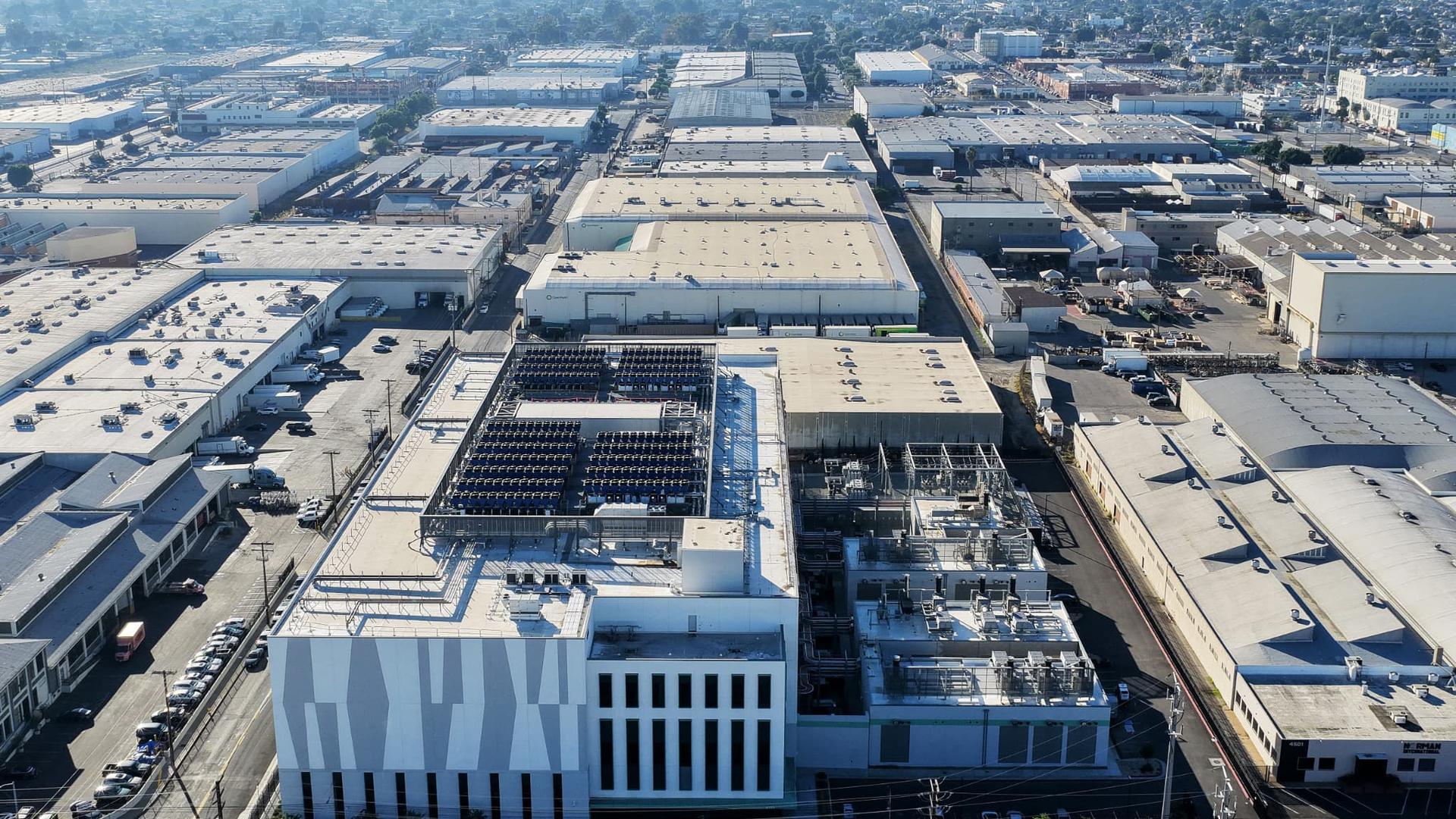
BloombergNEF projects that U.S. data centers’ power capacity could reach 194 gigawatts by 2035, an 83% spike compared to a December report, as more projects enter the pipeline to come online within the next decade. The report projects that data centers would account for about 20% of electricity consumption by the middle of the next decade, up from 5.9% today, and that the surge is driven by rapid expansion of artificial intelligence compute infrastructure. In the same BloombergNEF forecast, nearly half of the new data center capacity will be dedicated to training and running AI models, and by 2033 the U.S. is forecast to host 64% of the world’s AI chips by power demand.
BNEF’s head of technology and innovation Mark Daly told Latitude Media that the U.S. is a “really tough environment to build data centers right now,” citing competition for labor and power equipment and grid interconnection delays. Daly also acknowledged that BNEF’s historic build rates could be “too generous” because barriers to construction can prevent planned projects from crossing the finish line.
Grid strain and politics
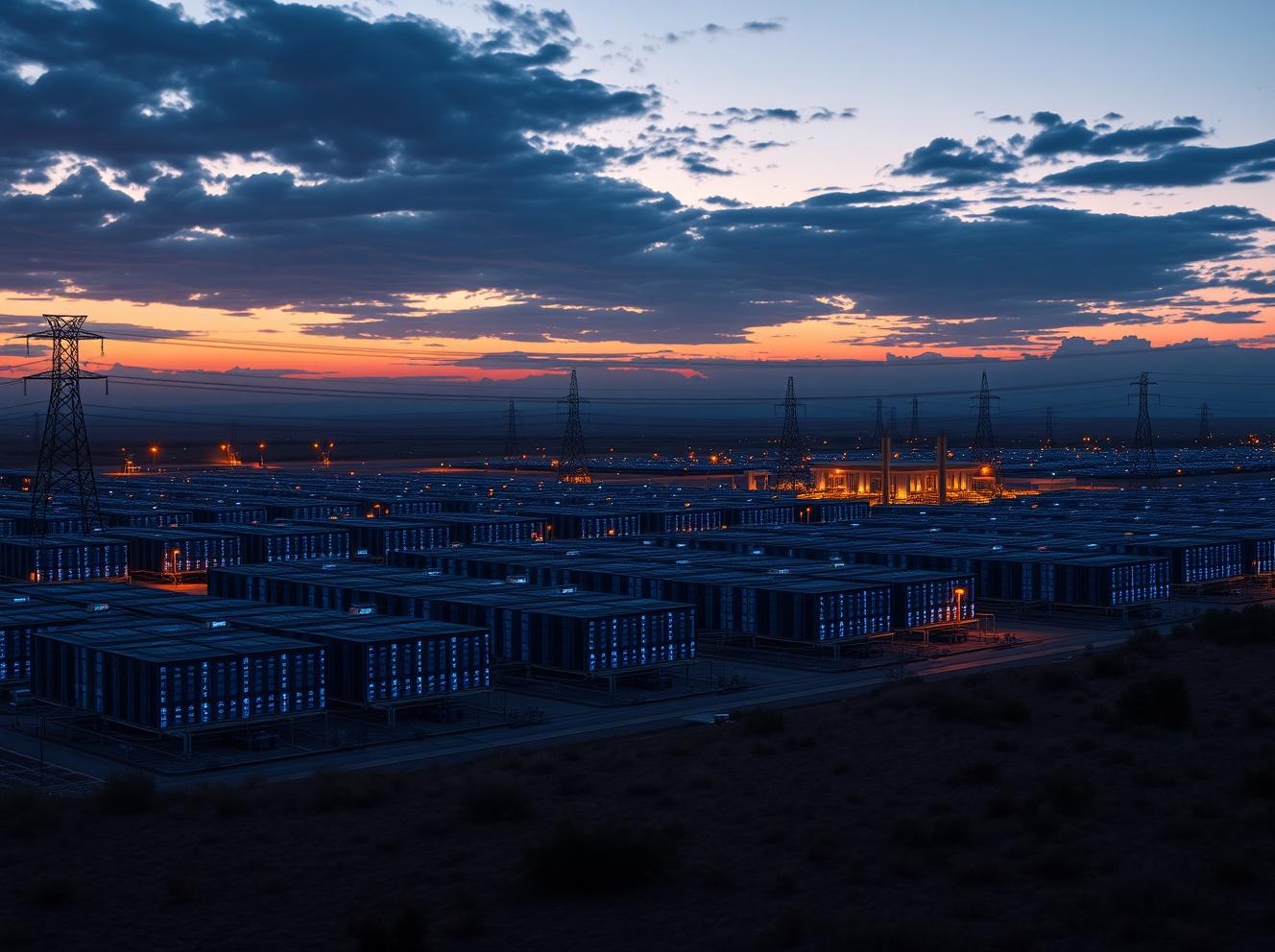
The BloombergNEF projections are paired with grid constraints, with the PJM Interconnection expected to see 34% of its electricity consumed by data centers and ERCOT expected to need to dedicate 22% of its generating capacity to data center loads.
TechCrunch reports that PJM paused applications for new sources to connect to the grid for four years, and that even after PJM reopened the queue to new generating sources in April, American Electric Power threatened to pull out of the interconnection.
In Ohio, WCMH reported that PJM said the capacity of resources procured at last week’s auction is short of their reliability requirement, and that it would have to operate with slimmer reserves and a greater level of risk.
Ohio Consumers’ Counsel Maureen Willis said, “Consumers are being asked to pay significantly more for capacity,” and State Sen. Kent Smith called the PJM auction results “the worst-case scenario.”
The Edge Malaysia framed the same BloombergNEF forecast by noting that data centers in the U.S. will account for about 20% of the nation’s electricity consumption in 2035, up from 5.9% today, and projected a 19GW shortfall by 2035 under a base-case scenario.
What comes next
BNEF’s forecast also highlights how developers are trying to bridge grid delays by building onsite gas plants, with BNEF tracking 124 GW of announced on-site gas capacity even as only a small share is under construction.
Latitude Media reported that Tim Hade, SVP at Voltus, said forecasts underestimate how challenging it is to build a microgrid with enough power for a data center, warning, “And there just aren’t enough of those people.”
The same reporting points to a single off-grid facility built so far: the SpaceX Colossus 2 project in Memphis, which uses gas turbines and battery storage and came online in record time with dozens of unpermitted and highly polluting gas generators.
At the policy level, Latitude Media said 15 state legislatures have considered temporarily banning data center development, and that New York Gov. Kathy Hochul enacted the first state-wide moratorium to give regulators up to a year to craft rules that protect ratepayers, the environment, and the grid.
The stakes extend to electricity pricing and reliability, with TechCrunch reporting that the supply-demand imbalance has pushed electricity prices up 76% over the past year and that data centers represented 38% of charges in the grid manager’s most recent capacity auction.