South America21 April, 20267 min read
Carlos Baute Apologizes After Shouting “Out With the Monkey!” at Delcy Rodríguez in Madrid
This article is an automated aggregation of coverage from news outlets. Our editorials offer in-depth analysis curated by the NewsCord team.
Baute shouted 'Out with the monkey!' at Delcy Rodríguez in Madrid. Baute apologized and said he is not racist.

Rally Chant Sparks Apology
Singer Carlos Baute apologized after shouting “Out with the monkey!” at Delcy Rodríguez during an event in Madrid headlined by Venezuelan opposition figure and Nobel Peace Prize laureate María Corina Machado.
El Mundo says Baute referred to “the current president of Venezuela, Delcy Rodríguez,” and that he used social media to insist, “I am not a racist person, I am not racist, nor do I believe in insults as a path.”
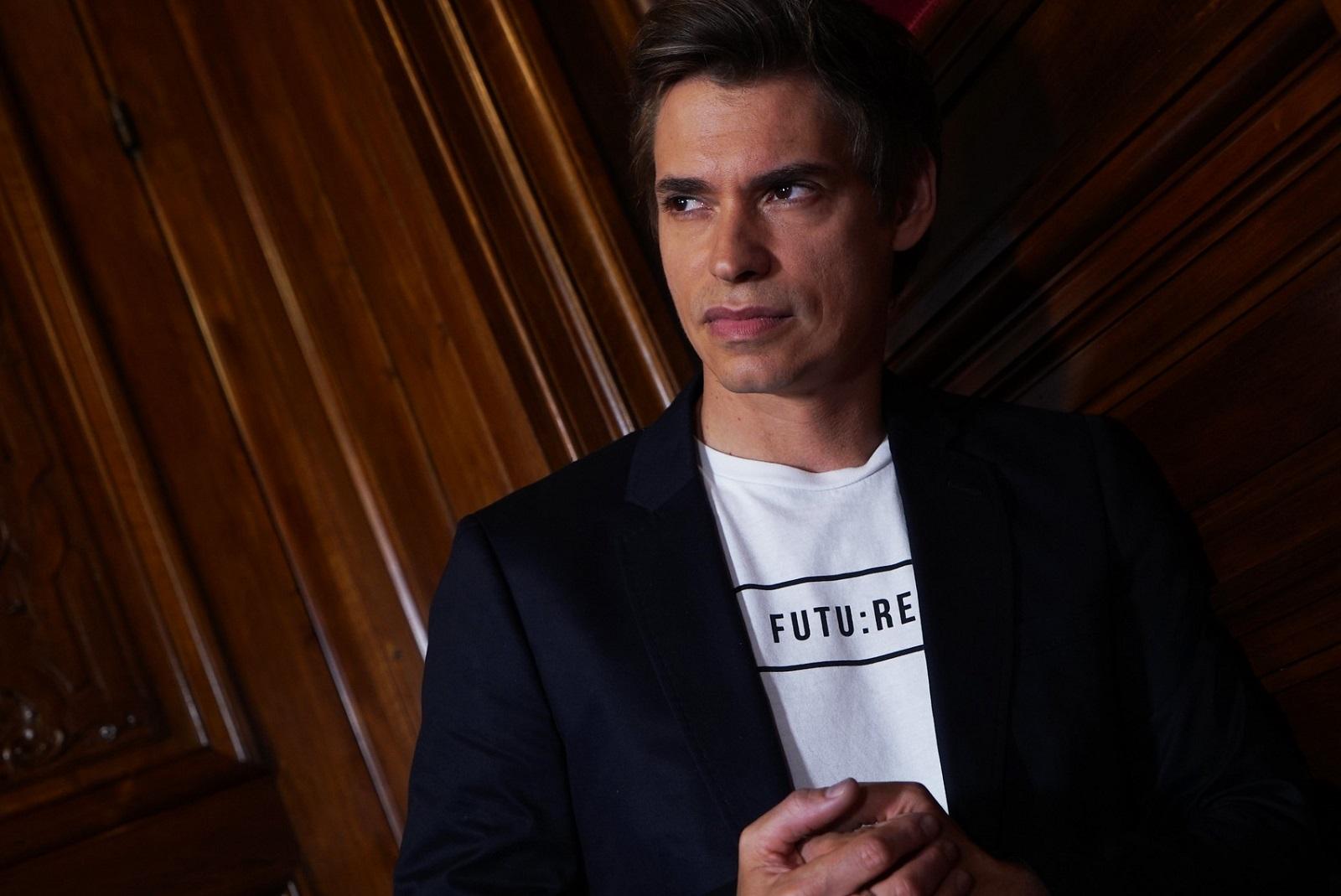
In the same account, Baute said he wanted to apologize “for the manner” but not for his values or what he represents, adding, “And much less for what I think.”
He explained that “This Saturday I let myself be carried away by the emotion of a very strong moment... and I also know how to recognize when something wasn't right,” and he tied the moment to chants that started “thousands and thousands of people.”
El Mundo places the event last Saturday in Madrid’s Puerta del Sol, where Machado told EFE she rejected the racist shouts from some followers while awaiting Baute’s performance.
Latin America Reports describes the chant as “fuera la mona” (get the monkey out) resounding through Puerta del Sol on Saturday as thousands convened to show support for Machado, and it says Baute joined in and turned his microphone toward the audience.
Orinoco Tribune similarly says “Out with the monkey! Out with the monkey!” was incited from the stage by Carlos Baute and repeated while Machado was speaking, and it frames the incident as a “heated debate on social media and widespread condemnation from both Chavistas and opposition supporters.”
Embassy Condemns Hate Speech
The Venezuelan Embassy in Spain issued an apology after the chant, with umusic.digital describing a statement from the embassy that “apologizing after Carlos Baute started a chant in which Delcy Rodríguez, the president in charge of Venezuela, was called “mona.”” In that same account, Gladys Gutiérrez, the Venezuelan ambassador, expressed “her most sincere apologies to the people of Spain, who know in their own history the horror of fascism and hate crimes.” umusic.digital says the embassy condemned Baute’s words as “a form of political violence based on misogyny and racism,” and it argues that “The very act of calling a woman “cute” is denounced as “an act of dehumanization incompatible with the principles of international human rights law.””
It adds that the embassy “categorically denounces these events” and refuses to allow Venezuelan women to be “objects of hate speech, wherever it comes from.” Latin America Reports likewise says the Venezuelan Embassy in Spain condemned the remarks, describing them as “a form of political violence rooted in misogyny and racism,” and it quotes Machado’s EFE rejection that “No one will ever hear me say anything that judges or disqualifies a person based on their religion, gender or race.”
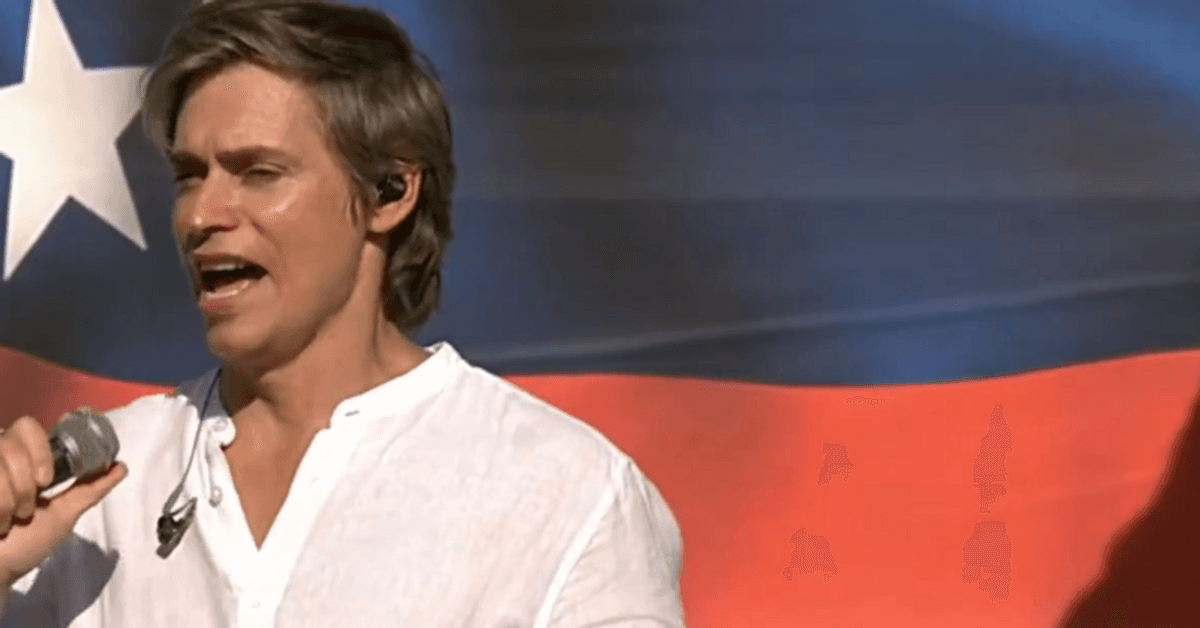
Orinoco Tribune includes a longer embassy statement that begins, “The Embassy of the Bolivarian Republic of Venezuela to the Kingdom of Spain addresses you with a profound sense of historical and ethical responsibility,” and it characterizes the expressions as “an unacceptable manifestation of hate speech.” Across the accounts, the embassy’s response centers on the chant’s target—Delcy Rodríguez—and on the idea that the insult was directed at a woman in a public political setting.
Machado and Other Voices React
María Corina Machado publicly distanced herself from the racist chants, telling EFE that she rejected shouts that judged people by protected characteristics. El Mundo reports that Machado expressed “her rejection of the racist chants that some of her followers chanted while awaiting her appearance,” and it quotes her saying, “Never will you hear from my mouth a word or expression that judges or disqualifies a person for their religion, their gender or their race.” In the same El Mundo account, Machado added that “And that is what the Maduro regime has done in Venezuela, dividing us for those reasons,” linking her rejection to a broader critique of the Venezuelan government.
“Never will you hear from my mouth a word or expression that judges or disqualifies a person for their religion, their gender or their race.”
Latin America Reports similarly says Machado moved quickly to distance herself from the remarks, criticizing the chant in an interview with EFE on Sunday: “No one will ever hear me say anything that judges or disqualifies a person based on their religion, gender or race.” Orinoco Tribune adds that Machado “refrained from correcting the crowd when they began chanting the racist expression again while she was speaking,” and it describes the incident as inciting debate across political divides.
The controversy also drew commentary from Venezuelan journalist Nicmer Evans, who Latin America Reports says described Baute’s remarks as “racist” while also criticizing the government, particularly Interior Minister Diosdado Cabello, for frequently using similar language against opponents. Latin America Reports quotes Evans writing, “Just as I have made clear the racism and therefore the idiocy of calling Delcy ‘mona’, it is impossible not to point out the cynicism of someone who insults Venezuelan women every day, when he calls Machado ‘sayona’ or ‘bruja,’” and it identifies Cabello by name.
Spain’s Political Debate Widens
The incident reverberated in Spain’s political arena, with sources describing how Spanish officials and parties reacted while the event remained tied to Venezuelan opposition politics. Latin America Reports says the chant sparked backlash across political divides and that it drew criticism from both Venezuelan government supporters and the opposition, with some denouncing it as racist and others calling it derogatory and inappropriate. It also notes that Isabel Díaz Ayuso, president of the Community of Madrid and leader of Spain’s right-wing People’s Party, presented Machado with an award at the event while “both leaders avoided addressing the incident involving the racist chants.”
Orinoco Tribune similarly says Ayuso presented Machado with an award but that “both leaders avoided addressing the incident involving the racist chants.” Latin America Reports adds that Machado is “currently in Madrid as part of a European tour, meeting Venezuelan diaspora supporters and political figures,” and it states she “has not, however, met Spain’s Prime Minister Pedro Sánchez.”
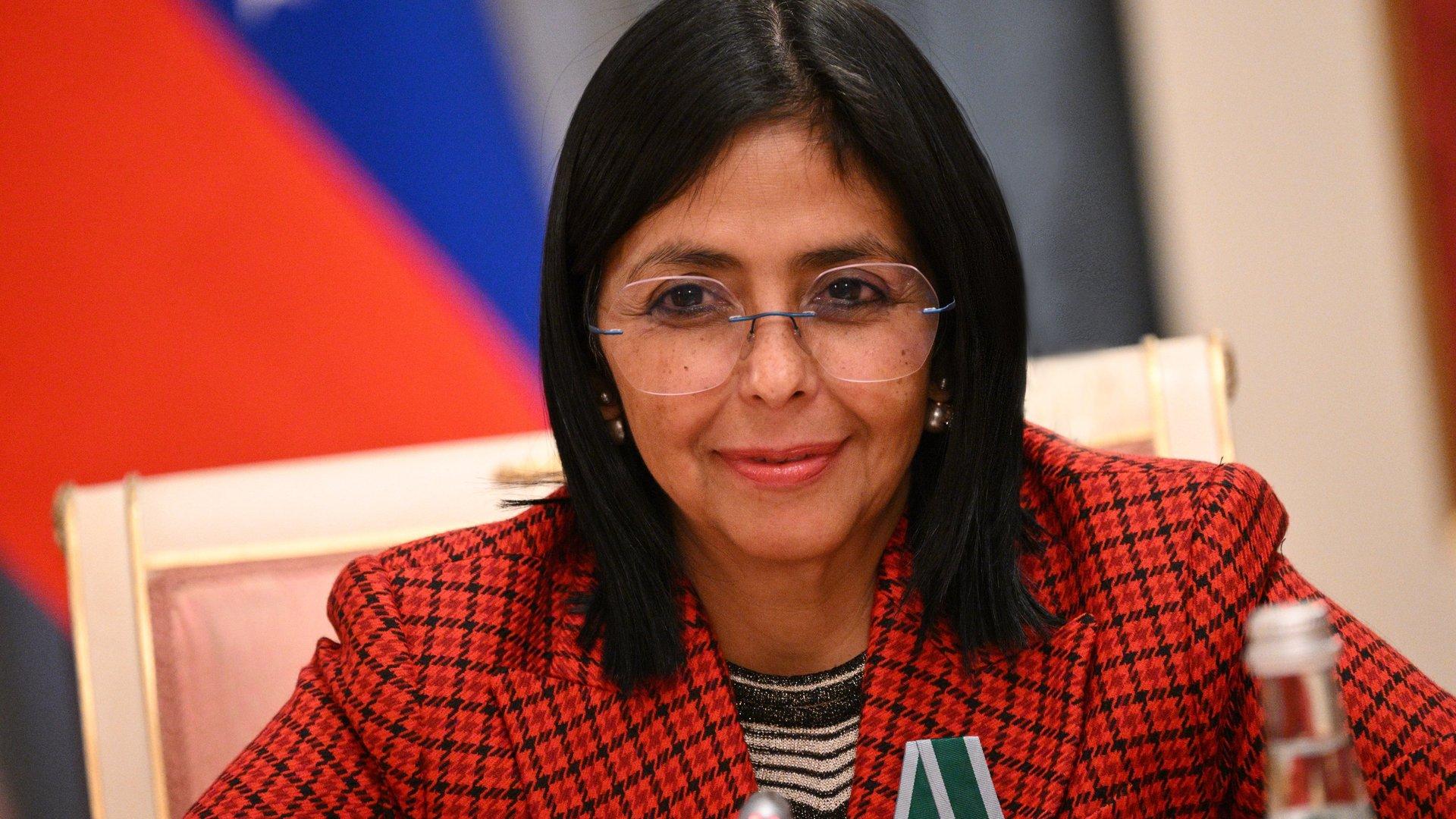
In ColombiaOne’s account, the event is described as bringing together “thousands of Venezuelans living in Spain” and “political figures from the Spanish right wing,” and it says the controversy spread “both sides of the Atlantic.” Orinoco Tribune adds a legal and social context, including that “In Spain, Law 19/2007 against violence, racism, xenophobia, and intolerance in sport prohibits symbols or messages that insult based on racial or ethnic origin, religion, or sexual orientation,” and it says it allows for sanctions and prosecution under hate speech laws.
Baute’s Explanation and Denial
Baute’s own explanation emphasized emotion, the crowd’s chants, and a distinction between apologizing for the “manner” while defending his values.
“Carlos Baute is not a racist person, nor has he ever been.”
El Mundo says Baute apologized “for the manner” but not for his values, and it quotes him: “Therefore I want to be very clear and decisive: I am not a racist person, I am not racist, nor do I believe in insults as a path.”
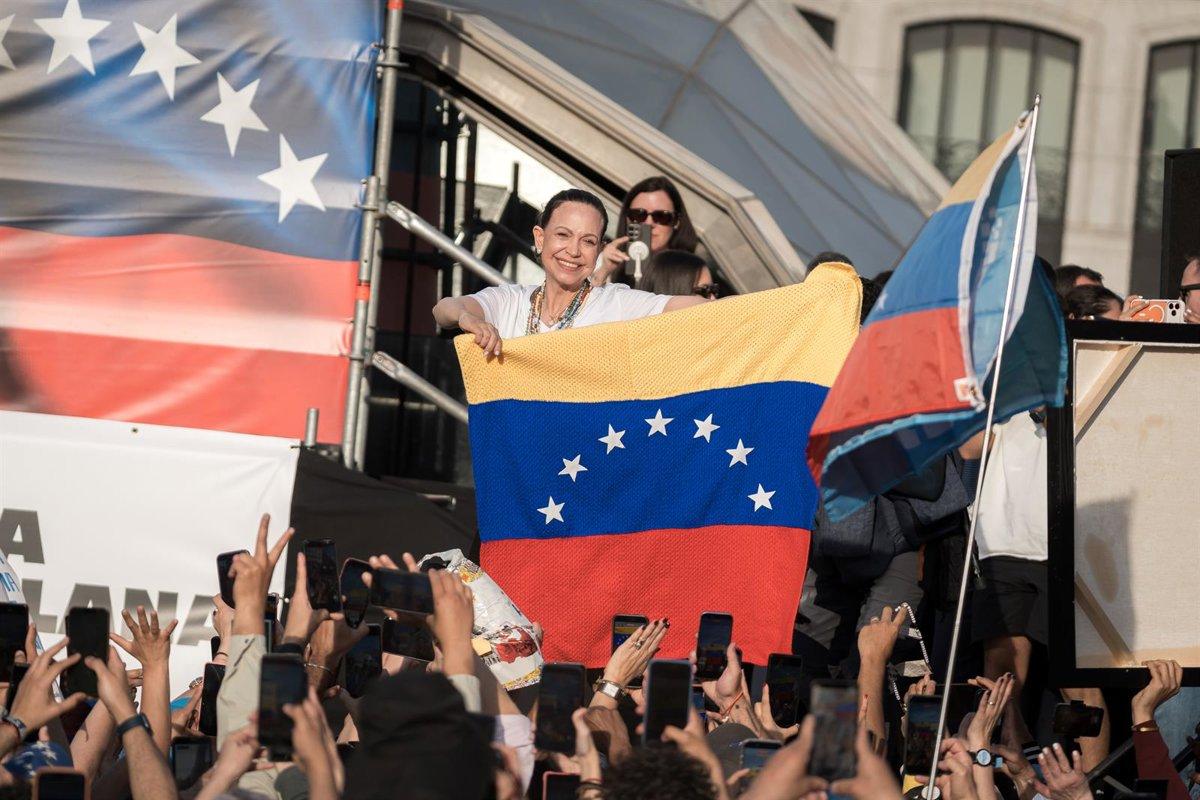
It also quotes him saying, “I do not believe in insults as a path,” and it reports that he rejected the accusations of racism leveled at him by “some media outlets and on social networks.”
In the same El Mundo account, Baute argued that “a single moment like Saturday's does not define who he is or what he has built throughout his life,” and he insisted, “If anyone felt offended, I am sorry and I apologize.”
umusic.digital says Baute’s team denies he is racist and includes a quoted statement: “Carlos Baute is not a racist person, nor has he ever been.”
Latin America Reports adds that Baute issued a video apology on Monday and that he said, “I let myself be carried away by the emotion of a very powerful moment… and I also know when something wasn’t right,” and it quotes him saying, “All my life I have sung about love, life and unity. I am not racist. I am a singer who loves his country, his family and God.”
The sources therefore present Baute’s defense as both personal and strategic—apology for the moment, denial of racism, and insistence that he is a singer who has “always defended its values and fought against injustice.”