Technology and Science10 August, 20263 min read
Caroline Bezengi Oil Spill Threatens Oman’s Ras Madraka Coast And Masirah Island
This article is an automated aggregation of coverage from news outlets. Our editorials offer in-depth analysis curated by the NewsCord team.
Oil spill from grounded Caroline Bezengi covers about 390–400 sq km off southern Oman. Coastline near Ras Madraka and Masirah Island is at risk.
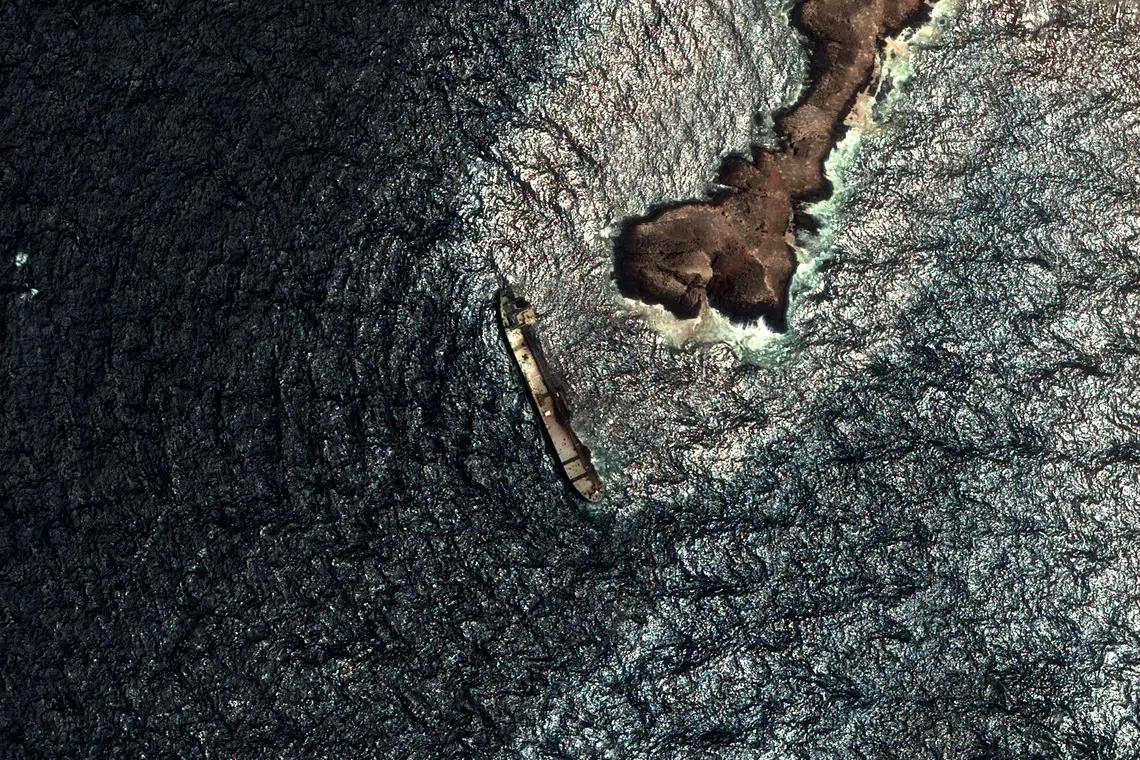
Oman shoreline begins to hit
A vast oil spill from the leaking Caroline Bezengi tanker began to hit Oman’s coastline, with Reuters reporting that the environment agency confirmed the slick was threatening to become one of the world’s worst in years after spreading largely unchecked for weeks. Reuters said the oil could end up impacting 40 km (25 miles) of coast near Ras Madraka as well as Masirah Island, while John Amos, an oil spill specialist who reviewed satellite imagery obtained by Reuters, said the slick now covers an area of more than 2,000 square km. The tanker ran aground on June 30 near an island that is part of an Omani marine nature reserve, and Reuters reported it was carrying an estimated 800,000 barrels of Russian oil and was under international sanctions.
Reuters also reported that the ship first reported difficulties off Yemen on June 8 after what maritime sources said appeared to be a blast, and that no party has claimed an attack as the vessel navigated two separate wars on its journey from Russia to India. The UN’s International Maritime Organization told Reuters that seasonal monsoon conditions had limited access to the tanker and delayed salvage operations, while an IMO spokesperson said, “Oil spill contingency planning is in place.”
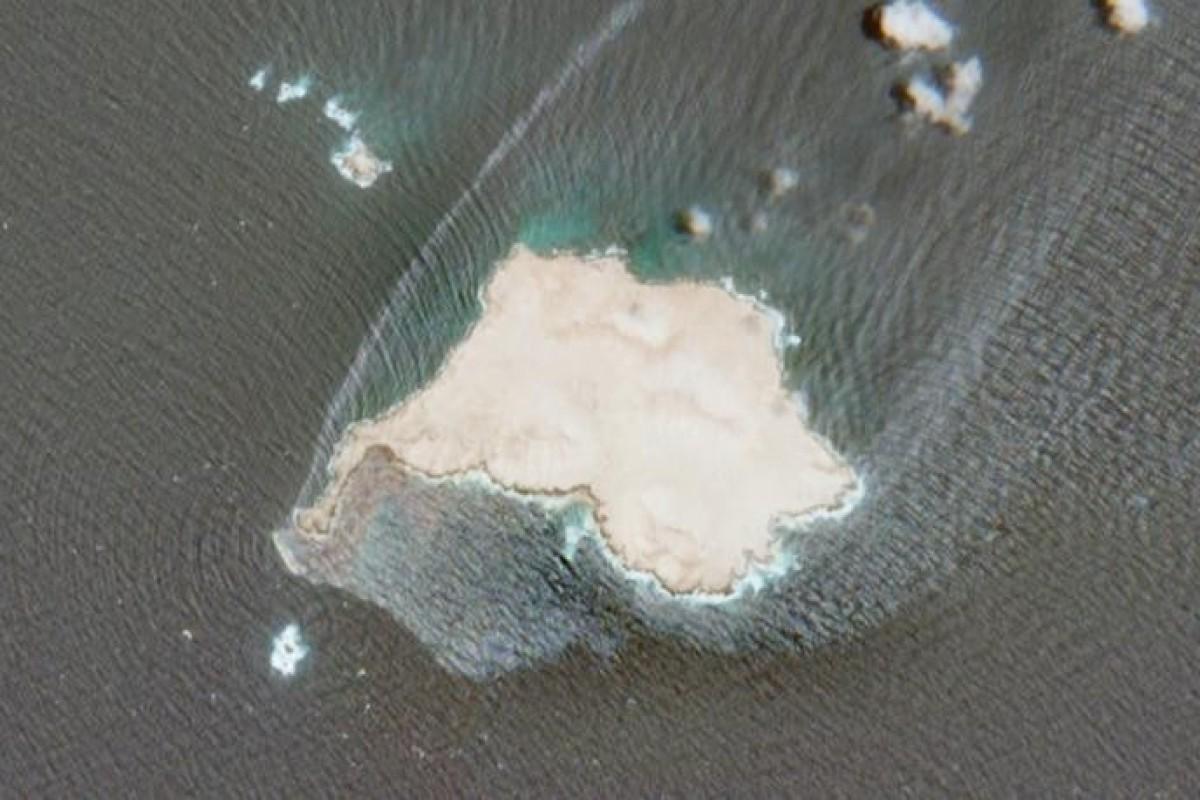
Satellite data meets conflict
The New York Times described the spill as spreading across a remote, ecologically sensitive swath of the Arabian Sea, encircling the rocky cliffs of an Omani island, Jazirat al Qibliyah, and spreading to a 25-mile stretch of beach on the mainland called Ras Madrakah. The New York Times said Oman’s environmental agency reported the spill had threatened endangered seabirds, and it added that Ambrey had been hired to rescue the tanker and stop the spread of the spill. Ambrey’s Ed Wollaston said, “This is an extremely challenging situation, compounded by adverse weather conditions,” as the spill compounds environmental damage from spills in and around the Strait of Hormuz where tankers and oil facilities have come under attack.
Reuters reported that a web of complex war- and sanctions-related rules governing shipping and oil spills is already hampering efforts to respond, and it said the IOPC Funds told Reuters it would not be involved in clean-up costs because the incident was being treated as an “act of war” rather than a simple accident. Reuters also quoted Amos warning that “A nightmare scenario is there's no adequate response to keep the worst from happening,” and it said he expected the vessel would “continue to break up under the steady onslaught of wind and waves.”
Wildlife and cleanup stakes
Reuters said the Caroline Bezengi is leaking near an island part of an Omani marine nature reserve that is home to wildlife including Arabian Sea humpback whales and Socotra cormorants, and it reported that the slick now covers an area of more than 2,000 square km. The New York Times reported that the spill has encircled Jazirat al Qibliyah, which is home to endangered seabirds, and it said the oil spread to Ras Madrakah on the mainland. Reuters reported that satellite imagery shows the tanker grounded at Al-Qibliyyah Island, part of a nature reserve that includes the Hallaniyat Islands, putting wildlife including endangered turtles, humpback whales and coral reefs at risk.
“But we don’t have the capacity to go out and see.”
The New York Times said swift cleanups are impossible with the ongoing conflict, and it quoted Brian Barnes, a geographer at the University of South Florida, saying, “Satellite observations are great and can tell us a lot,” but “we don’t have the capacity to go out and see.” Reuters warned that the slick’s spread has accelerated since the beginning of August, and it quoted Greenpeace’s Hanen Keskes saying, “And then within two days, it quadrupled to 600 by the 4th or 5th of August,” as agencies and specialists estimate the affected area could be far larger than Oman’s figure.