Technology and Science11 August, 20263 min read
Oil Producing States Including Saudi Arabia, Kuwait, and Russia Block Global Plastics Treaty Revival
This article is an automated aggregation of coverage from news outlets. Our editorials offer in-depth analysis curated by the NewsCord team.
Oil-producing states including Saudi Arabia, Russia, and Iran block revival of global plastics treaty. New draft omits specific production-reduction measures and weakens accountability provisions.
5 outlets told this the same way.
Plastics treaty text criticized
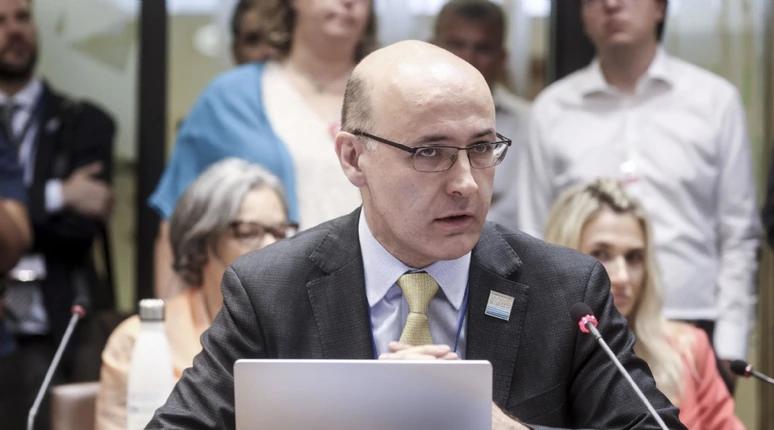
Talks to revive a global plastics treaty appeared to fail in August 2025, when opposition from oil-producing nations helped derail a bid for the world’s first treaty addressing plastic pollution, and a new “Aid to Negotiations” document was released quietly on the weekend afterward. The chairman of the talks, Julio Cordano of Chile, said the document was “an informal reference document and does not constitute a negotiated or agreed text,” while the Center for International Environmental Law’s David Azoulay said the text “cuts the international legal effort to address plastic pollution off at the knees.” Richard Thompson, a British marine biologist who coined the term microplastics, told AFP the document was “extremely similar” to a draft rejected a year ago and added “If anything, it’s even slightly weaker,” as negotiators from 185 countries struggled to find common ground.
The draft’s direction was contested between a majority of nations calling for ambitious, legally binding measures and a smaller bloc of mostly oil-producing states, including Saudi Arabia, Kuwait and Russia, pushing for a narrower focus on waste management. The document’s next steps were set for informal talks in Bangkok from September 27 to 30, with formal negotiations hosted by the UN Environment Programme scheduled for March 2027.
Observers say it retreats
Oceanographic Magazine reported that one year after formal negotiations for a Global Plastics Treaty broke down in Geneva, the new Chair of the Intergovernmental Negotiating Committee released an Aid to Negotiations document intended to revive the stalled process, but campaigners said it “is going backwards.” EIA Ocean Campaign Leader Christina Dixon said the Chair described the document as a “no surprises” document, and she argued it “delivers exactly what many feared – a retreat from the level of ambition needed to end plastic pollution.” The article said civil society organisations had not been granted access to the recent talks that preceded the document’s release, and it described the Aid as a non-negotiated reference text designed to support further closed meetings in Bangkok from 27 to 30 September 2026 and the resumption of formal negotiations at INC-5.4 in March 2027.
EIA Legal and Policy Specialist Amy Youngman said the document weakened what Geneva had already rejected, warning that “You cannot gut a treaty of its obligations and pretend you have a successful agreement.” The central dispute highlighted by Oceanographic Magazine remained whether the treaty would address plastic at the point of production or only at the point of disposal, with the Bangkok meetings described as the next test of whether the process can break the deadlock.
Accountability and production targets
Packaging Insights said UNEP released an informal “Aid to Negotiations” to guide the next phase of Global Plastics Treaty discussions, and it reported that the Environmental Investigation Agency warned the document omits accountability mechanisms and that provisions addressing plastic production had been weakened, bracketed, or removed.
Amy Youngman told Packaging Insights, “All of the provisions that would tackle the scale of plastic production have been weakened, bracketed, or removed,” and she added, “I am extremely concerned,” about the reliance on informal consultations and closed-door discussions while making less information available to observers and the public.
The same article said the Aid document was prepared under the authority of Julio Cordano, and it placed the next phase of informal meetings of Heads of Delegations (HODs) in Bangkok, Thailand, “next month.”
Packaging Insights also quoted a bracketed section in the Aid that begins “Recognizing that current levels of production and consumption of plastics are unsustainable,” and it reported Youngman’s view that strong, harmonized reporting obligations are needed, because “A target without reporting is symbolic. Reporting without a target is directionless.”
In parallel, Climate Home News reported that the new draft text recognizes the world’s “unsustainable” levels of plastic production and consumption, both projected to nearly triple by 2060, but it said critics argued it contains no measures to stem that growth and that “We’ve gone backwards rather than forwards,” as Christina Dixon told Climate Home News.