Technology and Science04 April, 20261 min read
China's Chang'e 6 Returns 1.9 Kg of Far Side Moon Samples Revealing New Geological Insights
This article is an automated aggregation of coverage from news outlets. Our editorials offer in-depth analysis curated by the NewsCord team.
Far-side lunar samples returned to Earth in June 2024. Thermal analyses indicate a strong heat source drives far-side thermal differences.

Historic Lunar Sample Return
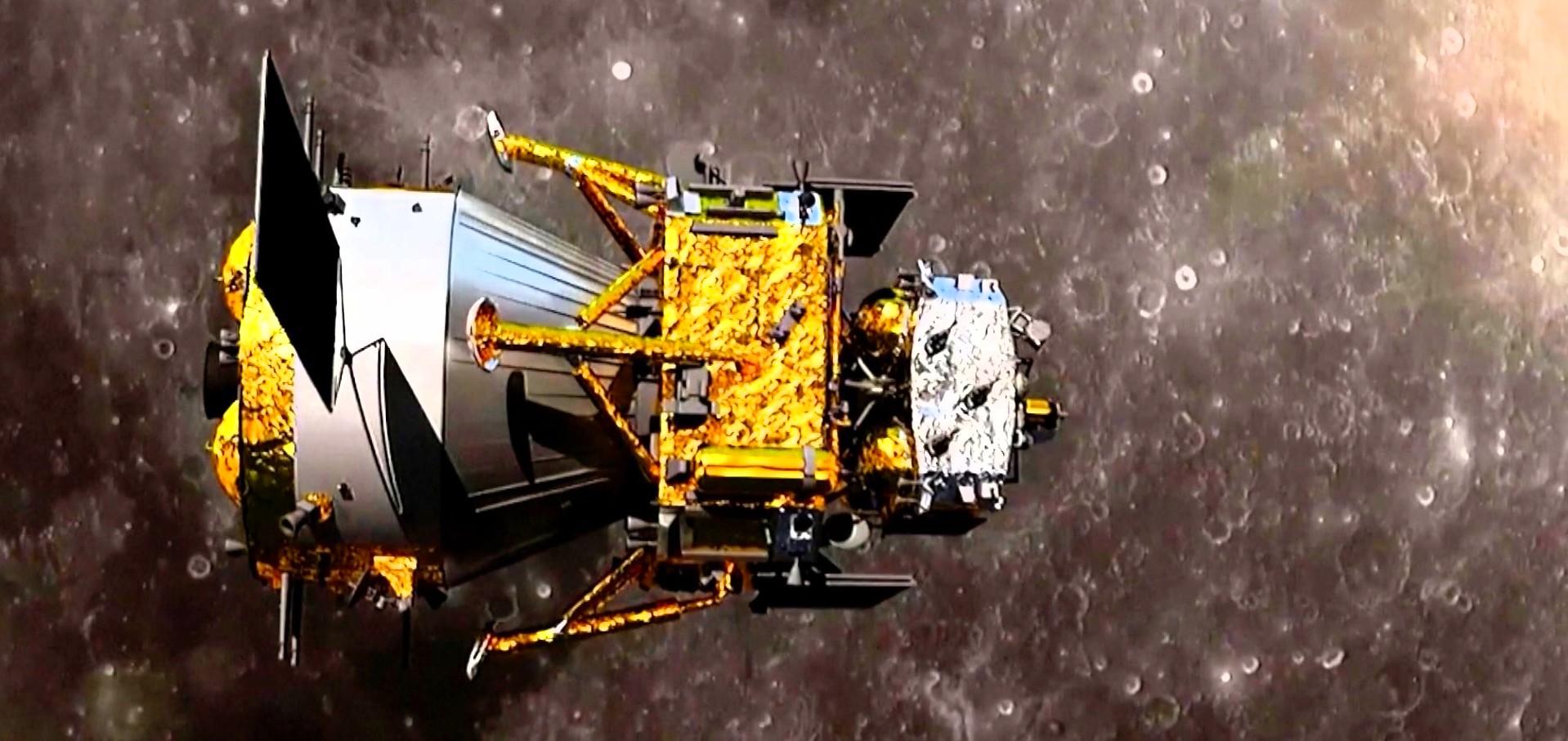
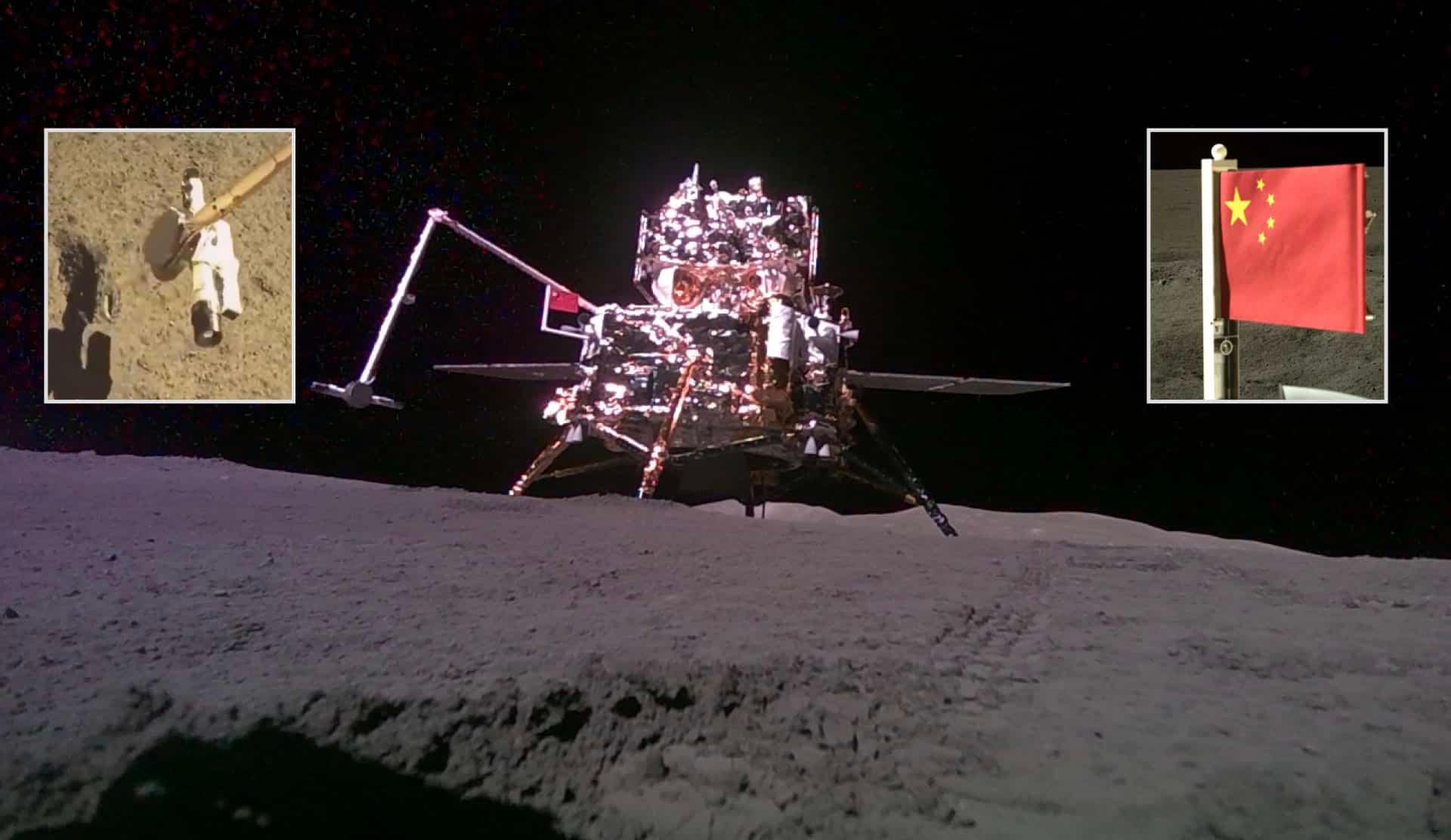
Chang'e 6 achieved the first-ever return of samples from the Moon's far side. The mission delivered 1.935 kilograms of material from the Apollo crater within the South Pole–Aitken Basin.
The samples come from one of the largest and oldest impact basins where the mantle was exposed. China is beginning international distribution of the samples, with the US excluded due to the Wolf Amendment.
Revealing the Moon's Geological History
The age of the Apollo Basin was established at about 4.16 billion years. Isotopic analyses confirmed the Moon was once entirely covered by a magma ocean.
The Chang'e 6 basalts were younger and more compositionally diverse than near side volcanics. A pronounced thermal anomaly explaining hemisphere differences was detected.
Carbon Nanotubes and Volcanic Activity
Single-walled carbon nanotubes and graphitic carbon were identified in Chang'e 6 samples. This is the first unequivocal identification of graphitic carbon on the Moon. Volcanic activity was detected at the poles through silicic, granite-like rocks.
International Implications
American scientists remain excluded by the Wolf Amendment. At least 19 countries and six global institutions are analyzing Chang'e 6 materials. The broader question is how to overcome geopolitical constraints for exploration.