Iran09 July, 20263 min read
Dawn Says Iran and Türkiye Offer Pakistan Immediate Economic Opportunities Amid US-Iran Talks
US-Iran negotiations amid talks expected to unlock regional economic opportunities. Türkiye offers manufacturing investment incentives to capitalize on opportunities.
Trade talks and targets
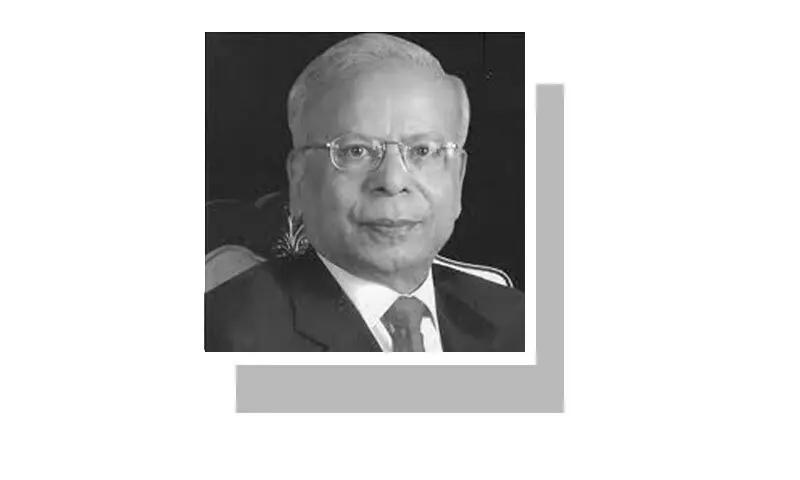
Dawn frames the Iran-related opportunity as part of a wider push for regional economic integration, arguing that while US-Iran negotiations may take time to produce a durable peace deal, “regional states have begun positioning themselves to benefit from the new economic opportunities that are likely to emerge.” In that context, Dawn says Iran and Türkiye offer “immediate economic opportunities” for Pakistan, and it links the potential to President Masoud Pezeshkian’s recent visit, when both countries agreed to raise bilateral trade from about $3bn to $10bn by 2028. Dawn adds that Pakistan could expand exports of rice, meat, textile, surgical instruments, fruit and processed foods while importing raw material and intermediate goods from Iran at competitive prices.
The article also says Iran’s opening of six trade routes to Central Asia and Azerbaijan creates another opportunity, and it urges Pakistan to improve customs procedures, border infrastructure, logistics and road connectivity to benefit from these transit corridors. Dawn further argues that if sanctions on Iran’s energy exports are eased, Pakistan should replace informal fuel imports with transparent commercial purchases of discounted Iranian crude oil while developing strategic petroleum reserves at Gwadar.
Ceasefire, Hormuz, and pressure
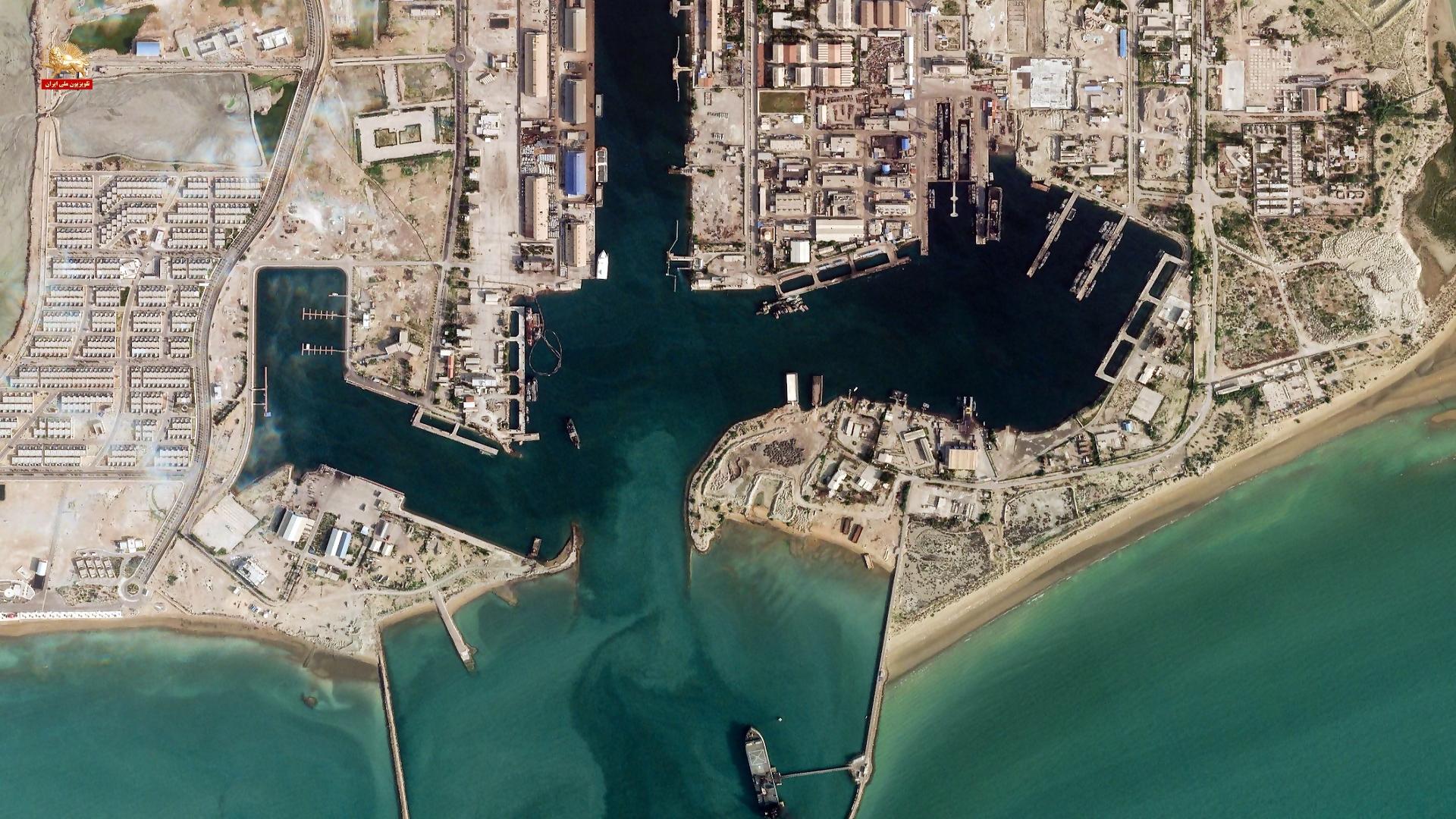
سیمای آزادی describes a ceasefire that remains in place but is assessed as fragile on day eight, while diplomatic efforts continue and the Strait of Hormuz does not close completely as ships pass in a “restricted, high-risk, and tightly supervised manner.”
The outlet says reputable international reports, including Bloomberg, have shown Tehran is considering a short-term halt to shipments through the Strait of Hormuz, and it adds that Europe voiced cautious positions while the French military said that without de-escalation there is no possibility of deploying equipment to reopen the Strait of Hormuz.
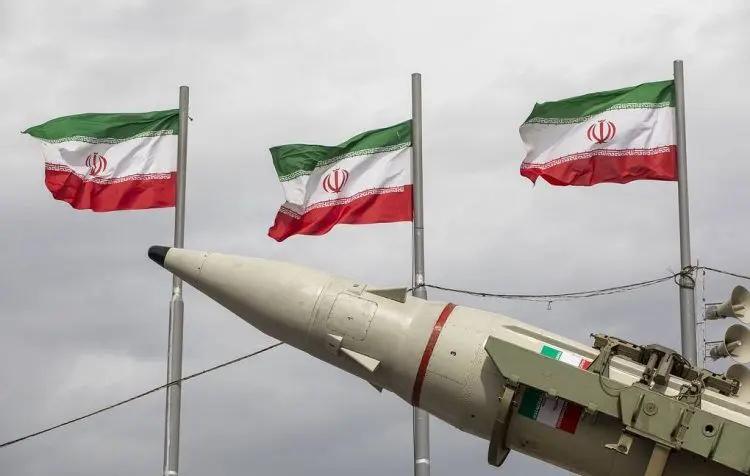
It also reports that the United States emphasized intensifying economic pressure, and it quotes that the U.S. Treasury Secretary spoke of employing economic tools to the maximum extent.
In the same account, Washington Post coverage is cited as saying the United States is deploying thousands more military personnel to the Middle East to increase strategic pressure on Iran and strengthen deterrence.
سیمای آزادی ties the overall picture to a mix of military readiness and economic tools, stating that “the combination of military pressure, economic sanctions, and nuclear diplomacy constitutes the core of Washington’s current approach.”
Pakistan mediation and talks
سیمای آزادی reports that State media announced Asim Munir, the Chief of the Pakistan Army, led a high-ranking political-security delegation into Tehran on Wednesday evening, 26 Farvardin, with the aim of “transmitting a message to the United States and planning for the second round of talks.” The outlet says a senior regime official told Reuters that the trip was aimed at reducing differences between the regime in Iran and the United States, and it adds that Mohsen Naqvi, Pakistan’s interior minister, accompanied him. It further states that Regime Television, citing “informed sources” in Pakistan, claimed the second round of talks is expected to be hosted in the coming days in Islamabad, echoing other media reports about Pakistan’s mediating role.
سیمای آزادی says the first round of these talks was held on Saturday in the Pakistani capital, and after about 21 hours of discussion the parties did not reach an agreement. The account also quotes Jedy Vans, who headed the American delegation, saying “significant progress” in these talks and suggesting the possibility of further steps as the ceasefire and Hormuz-related developments remain under strict observation.