Iran · updated 3h ago · 3 min read
Supreme Labor Council Plans Next Week Wage Restoration After 3 Million Tomans Proposal Rejected
Labor representatives reject 3 million tomans, demand base-wage restoration tied to inflation. Supreme Labor Council considers 2.8 million tomans proposal; advocates say it undermines living costs.
8 outlets told this the same way.
Outlets did split on Trump Says Iran Will Be Hit Very Hard, Threatens Nuclear Defeat →
8outlets compared
Decision Delayed
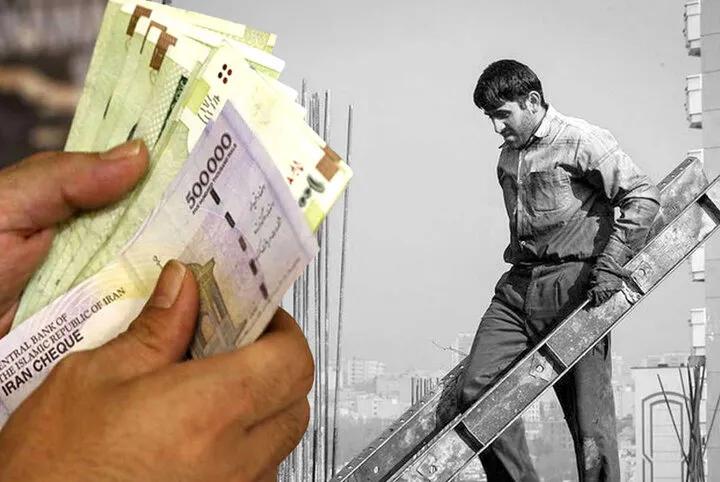
The government’s proposed increase discussed in the September 19 session was about 3 million tomans, but labor representatives said it was not proportional to inflation and living costs and insisted wage restoration must occur through raising the base wage. Asad Salehi, a member of the labor team of the Supreme Labor Council, said the Supreme Labor Council would hold a meeting next week and, based on Clause 10 of the 1405 Wage Resolution, wages would be revised according to the current inflation rate in the country. خبرآنلاین said the decision on the amount of the minimum wage increase was postponed to next week after the Supreme Labor Council meeting on September 28, 1405 occurred with the government’s proposal rejected by the labor team.
خبرآنلاین reported that Parliament moved to impeach the labor minister, delaying the wage decision process further, and it said the minister of labor was to go to the cabinet for final reviews before a decision-making meeting on wage restoration, but that did not happen. خبرآنلاین said the last Supreme Labor Council meeting on September 28, 1405 took place without the wage restoration decision being finalized, even though the Supreme Labor Council was obliged to act by the end of September under Clause 10 of the 1405 Wage Resolution.

Base Wage Dispute
Fatemeh Mohammadian, President of the High Council of Trade Associations of Iranian Workers, said the base salary increase will be definite, but she warned that if inflation is not controlled, the wage increase will not have a significant impact and will merely add a figure to the salary. Mohammadian told ISNA that the new session of the High Council of Labor had not yet been formed and that no specific date had been announced for its convening, while she said it was decided that another session would be held soon, presumably at the beginning of next week. خبرآنلاین’s labor activist Dariush Heidari argued that a 2.8 million rial wage increase is a public-relations game because the base wage is not going to increase, and he said without changing the base wage and only changing some items, the scope of impact would be very limited.
Heidari said rumors suggested the marriage allowance could rise from 500,000 rials to 1.5 million rials and the food and housing allowance could go from 2.2 million rials to 4 million rials, which he said would raise workers’ take-home pay by 2.8 million rials. Heidari said the most important wage demand was the enforcement of Article 41 of the Labor Law, and he added that Article 41 must be implemented and that it had been treated with disregard by various governments.

Inflation Eats Raises
Iran’s President Masoud Pezeshkian acknowledged that inflation has risen sharply to the point of eating up any increase in salaries, and he said “rising inflation leads to a decline in the real value of salaries despite their increase.” Pezeshkian said the Iranian government is looking for solutions to address the decline in the real value of employees’ salaries, while the report linked the pressure to the war and the US blockade of the country’s ports for months. Mohammad Reza Aref, Iran’s First Vice President, said “with inflation at 40 percent, it is not possible to settle for salary growth of 20 percent, as happened over the past two years,” and he added that “inflation this year has exceeded levels ranging between 60 and 70 percent.”
Aref said “even with a 20 percent salary increase, it is impossible to live,” and he pointed to high prices as the most prominent economic problem at present. خبرآنلاین also described a widening gap between wages and living costs, saying in Dey 1404 the Wage Committee of the Supreme Labor Council calculated living costs at 42 million tomans and that minimum living costs were now said to be over 80 million tomans.