Tourism12 August, 20263 min read
Etna Eruption Halts Flights At Catania Airport, SAC Suspends Flights Until 4 P.m.
This article is an automated aggregation of coverage from news outlets. Our editorials offer in-depth analysis curated by the NewsCord team.
Catania airport suspended flights until at least 4 p.m. due to Etna ash. Thousands of travelers stranded or rerouted due to the eruption-related disruption.

Etna grounds flights
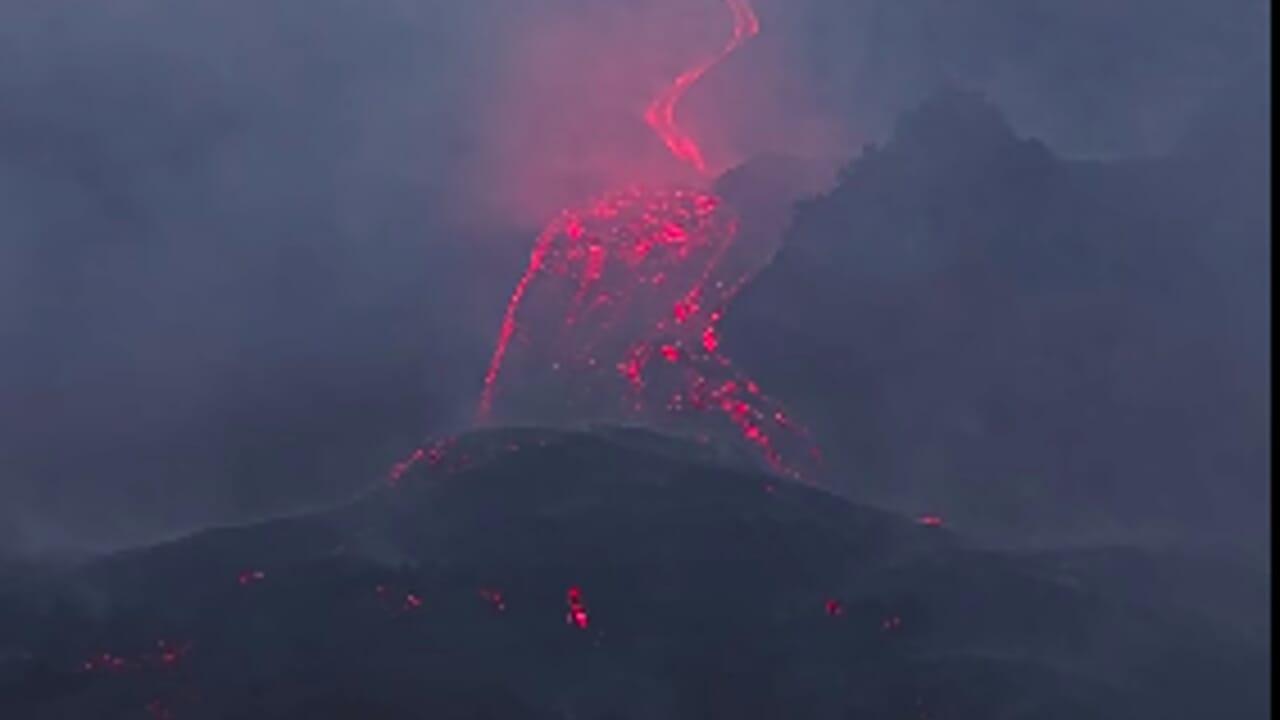
The eruption of Mount Etna halted flights at Sicily’s Catania airport, with the airport operator SAC suspending flights until at least 4 p.m. local time on Thursday in response to fresh ash emissions. DW reported that the ash forced regulators to restrict access to the airspace around eastern Sicily, disrupting the peak summer holiday season, and it said passengers were advised to check flight status with their airlines. Avvenire described how the crisis spread through eastern Sicily, with Comiso absorbing over one hundred flights from the beginning of the emergency and other connections being diverted toward Palermo and Trapani.
In the middle of the disruption, Avvenire followed Michele and his family, who were supposed to fly from Catania to Vienna but had their departure moved to the other side of the island, with their flight reprogrammed from Palermo and a shuttle taking them from Fontanarossa to Palermo’s airport. Ticinonline added that the closure of Catania airport, initially scheduled until 11:00, was extended until 18:00, while Comiso’s airport activity was suspended until 11:00.

Tourists, guides, and warnings
As the airspace restrictions reshaped travel plans, DW said the prolonged restrictions at Catania placed extra strain on Sicily’s other airports during one of the busiest seasons for vacationers, and it reported that Palermo Mayor Roberto Lagalla said his airport had taken in around 190 flights. Ticinonline quoted SAC telling passengers to “verificare lo stato del proprio volo con le compagnie aeree prima di recarsi in aeroporto,” while it also said the closure was ordered due to Etna’s eruptive activity and “emissione di cenere vulcanica in atmosfera.” Meanwhile, the South China Morning Post reported that tourists rushed to Mount Etna as it erupted, alarming Italian guides, and it said the closure of the nearby Catania airport was a key factor for tourists visiting Sicily.
Daniele Perricelli, 41, a local guide, told the South China Morning Post, “They all want to come and see the lava flow, everyone is drawn to this unique beauty,” and he said his Guide Etna group was receiving about 300 requests a day. Ernesto Maria Magri, another local guide, was quoted calling it a “touristic eruption” that appeals to “many people” because it can be observed in relative safety.
Safety and access debate
Beyond flight disruptions, CataniaToday reported that the eruptive activity of Etna is drawing an increasing number of hikers, tourists, and passersby attracted by lava flows, and it said Codacons is calling for greater safety in managing access to the volcano. Francesco Tanasi, Codacons national secretary, said, “Etna represents an extraordinary natural heritage and one of the most important symbols of Sicily,” and he added that the spectacle must never lead to underestimating risks associated with an active volcano. CataniaToday said Codacons asked the prefecture of Catania, the regional Civil Protection, the municipalities affected by the activity, and all involved authorities to keep prevention and access management measures constantly updated, including in the evening and nighttime hours.
The association also proposed evaluating, during periods of particular volcanic activity, the opportunity to designate a quota above which access may be allowed only with the accompaniment of qualified guides, and it argued that clear rules should apply in the most delicate phases. In parallel with the travel chaos described by Avvenire, the same source said the emergency reopened debate on the future of Fontanarossa, quoting Nello Musumeci as saying, «Ad essere fuori posto non è il vulcano ma l'aeroporto».