Ukraine War23 October, 20253 min read
EU Leaders Move to Seize Russian Assets to Fund Ukraine War Effort
This article is an automated aggregation of coverage from news outlets. Our editorials offer in-depth analysis curated by the NewsCord team.
EU plans to convert €140-185 billion frozen Russian assets into loans for Ukraine's financial needs Belgium threatens to block EU proposal to loan frozen Russian assets to Ukraine without concessions

9 outlets told this the same way.
EU Plans Using Frozen Russian Assets
EU leaders are considering an unprecedented move to use frozen Russian sovereign assets to support Ukraine’s war effort and economy. The proposals focus on a roughly €140 billion, zero-interest “reparation/repair” loan backed by those assets. Western mainstream outlets report that the EU is contemplating using frozen Russian assets to fund Ukraine’s military aid, reconstruction, and victim compensation.
“The EU is considering a proposal to use frozen Russian assets to fund Ukraine’s military aid, reconstruction, and victim compensation.”
Russia has warned that confiscation of these assets would provoke a harsh response. Additional reports indicate that the European Commission emphasizes the legality of the plan and that it would be temporary, linked to Russia’s actions. EU leaders are also moving forward with a 19th sanctions package, although no final decision on the asset plan is expected at the current summit.
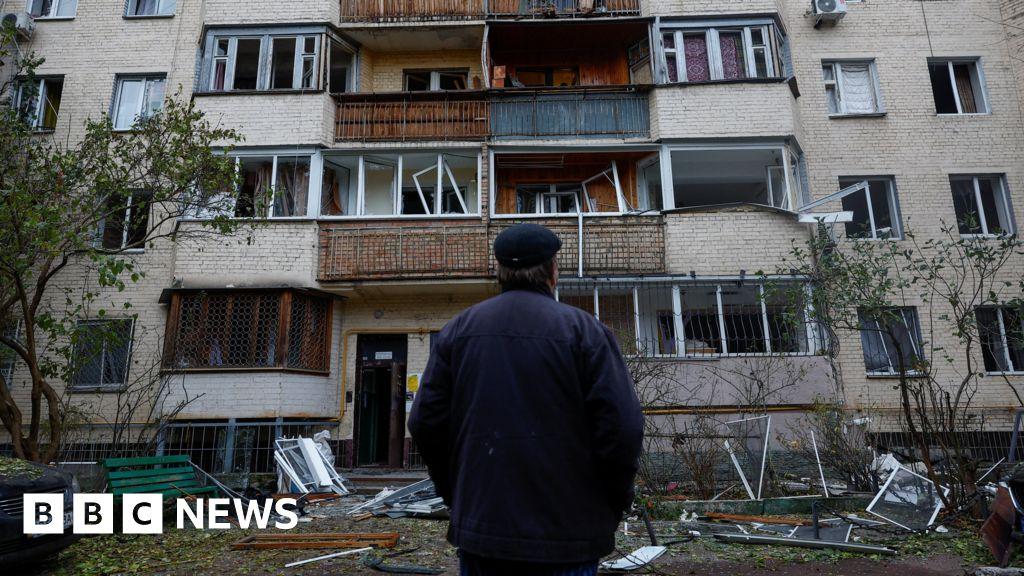
A source from West Asia expresses optimism that leaders will approve the €140 billion loan, but concerns remain about Belgian liability. These concerns reflect uneven expectations regarding the timing and consensus on the proposal.
EU Funding Disputes and Ukraine Appeal
Divisions inside the EU focus on the scope, control, and liability of funding. Germany supports using the funds solely for military aid, according to BBC. Some governments want purchases limited to European-made defense equipment, as noted by El País.
Belgium’s reluctance is a significant obstacle across different issues. Polish Radio reports that Belgium opposes transferring €140 billion as a reparations loan and that no final decision is expected. Concerns about Belgium’s liability have also been highlighted in West Asian coverage.

Meanwhile, NewsBreak (Asian) reports that President Zelensky is urging a quick decision to use frozen Russian state assets. He also reiterates Ukraine’s demand for the full return of its territories, underscoring political urgency from Kyiv’s side.
EU Asset-Backed Loan Controversy
Proponents argue the asset-backed loan is legally crafted to avoid outright confiscation. El País reports that the Commission insists the loan complies with EU and international law and is a temporary measure repayable once Russia compensates war damages. The BBC highlights legal and financial hazards, including risks to global stability and uncertainty over Russia’s willingness to pay reparations, which could leave European taxpayers liable.
“This zero-interest loan would only need to be repaid once Russia ends its aggression and compensates for war damages.”
Modern Diplomacy states that Russia condemns the plan as illegal and threatens retaliation. This mirrors the BBC’s note that Moscow warned of a “harsh response.” The EU is encouraging G7 partners to adopt similar measures, indicating a bid to share both risk and precedent.
Geopolitical Moves and Sanctions
The debate unfolds amid wider geopolitical and policy moves. NewsBreak (Asian) highlights Russia’s large-scale strategic nuclear forces exercise coinciding with NATO’s Steadfast Noon. It also reports Kyiv pressing the EU for quick action on assets.
Modern Diplomacy (Other) contextualizes the asset plan within a broader package including new sanctions and a potential 2027 ban on Russian LNG. Polish Radio points to the EU’s 19th sanctions package that has already been agreed upon. NewsBreak also notes the EU’s controversial migration partnership with Egypt and the related human-rights criticisms.
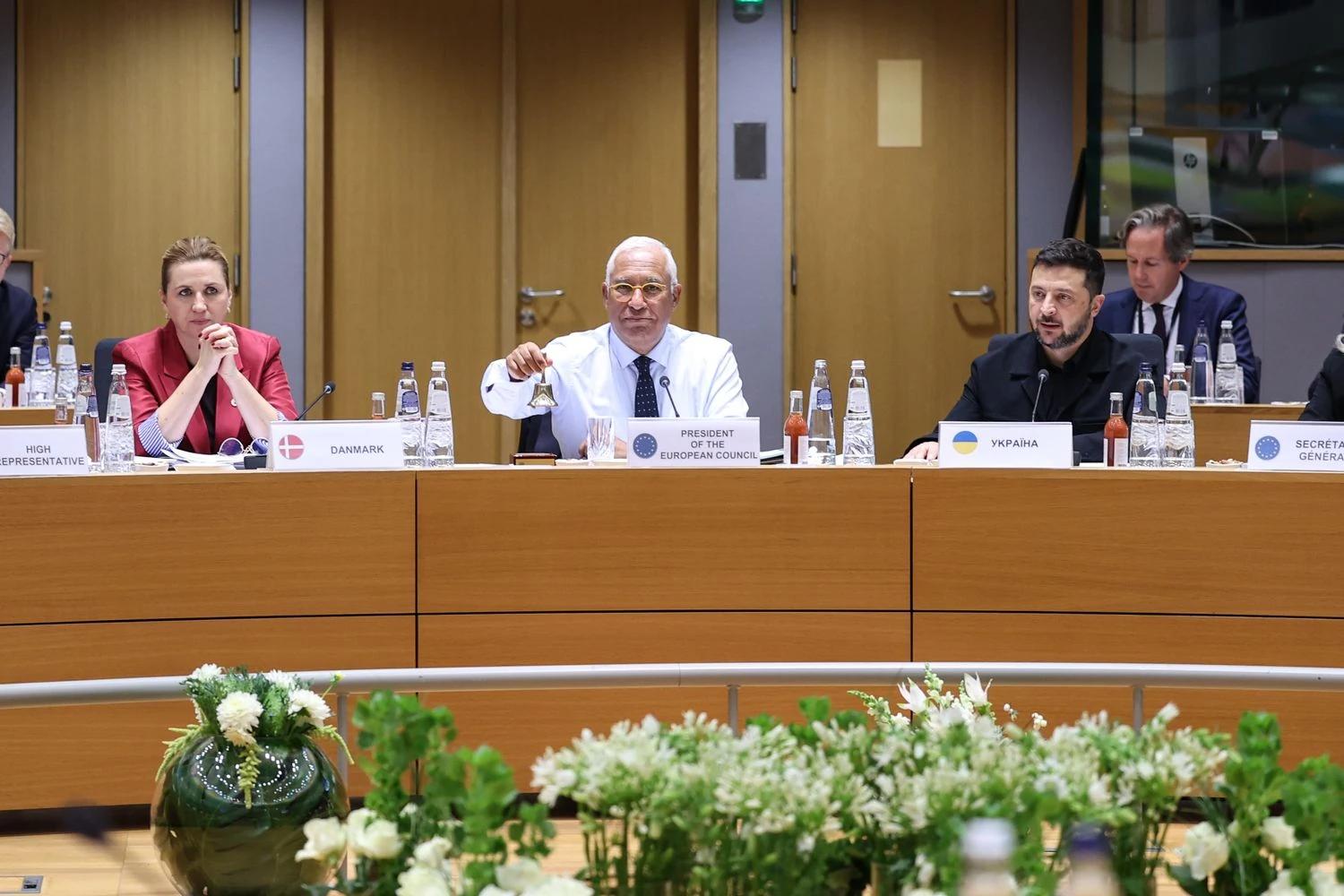
This shows how Ukraine policy intersects with other external priorities. Meanwhile, the BBC underlines that U.S. aid is declining, which heightens Europe’s role.
EU Financial Support for Ukraine
Scale and timelines sharpen the stakes in the financial support for Ukraine. BBC quantifies the resources involved, noting about €210 billion in Russian assets frozen and roughly €177.5 billion already provided in EU aid. Ukraine’s total funding needs are estimated at $486 billion.
“Since the invasion began in February 2022, the EU has frozen about €210 billion in Russian assets and has already provided around €177.5 billion in aid to Ukraine.”
Modern Diplomacy projects a fast-track implementation, with a legal framework expected soon and funds available by year-end. The goal is to secure Ukraine’s budget through 2026–27. However, Polish Radio reports that no final decision is expected at the current summit, highlighting ongoing uncertainty.
NewsBreak adds that Belgium’s prime minister has reservations about the plan. It also reports that the EU is considering a loan of up to €140 billion, with Belgium as a key holdout state in the plan’s architecture.