Russia16 September, 20263 min read
European Parliament Names Russia, Belarus Hybrid Attacks As Warfare, Calls For Higher Costs
This article is an automated aggregation of coverage from news outlets. Our editorials offer in-depth analysis curated by the NewsCord team.
European Parliament recognizes hybrid attacks as warfare and identifies Russia as principal aggressor. Calls for higher costs on Russia and a coordinated EU counter-hybrid playbook.
7 outlets told this the same way.
Hybrid attacks and EU response
The European Parliament adopted in Strasbourg a resolution on hybrid warfare and protecting the EU's territorial integrity and critical infrastructure, calling for the EU and its member states to recognize that hybrid attacks can constitute a form of warfare. The resolution, supported by 470 MEPs, while 129 voted against and 62 abstained, says hybrid operations are designed to appear as isolated incidents and remain below the threshold of armed conflict while having the potential to produce effects comparable to conventional aggression. The European Parliament named Russia, acting directly or through controlled actors and intermediaries, including Belarus, as the most serious state-sponsored hybrid threat to the European Union and its member states.
The text also calls for the EU to shift from a reactive to a proactive strategy that would make it possible to disrupt hybrid operations, deter their organizers, and increase the costs of hostile actions for them. It further proposes developing a cross-sectoral plan to counter hybrid warfare, including strengthened civilian-military cooperation, clear response protocols, and calibrated countermeasures proportionate to the severity of hostile actions.
Kallas urges higher costs
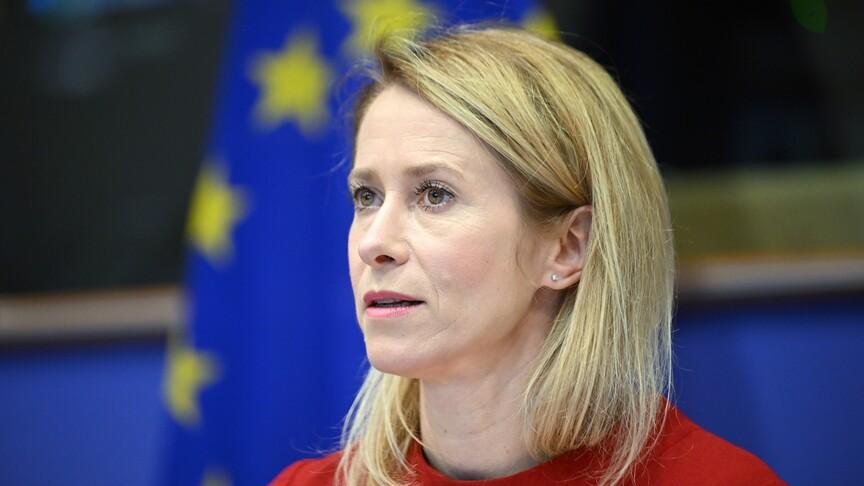
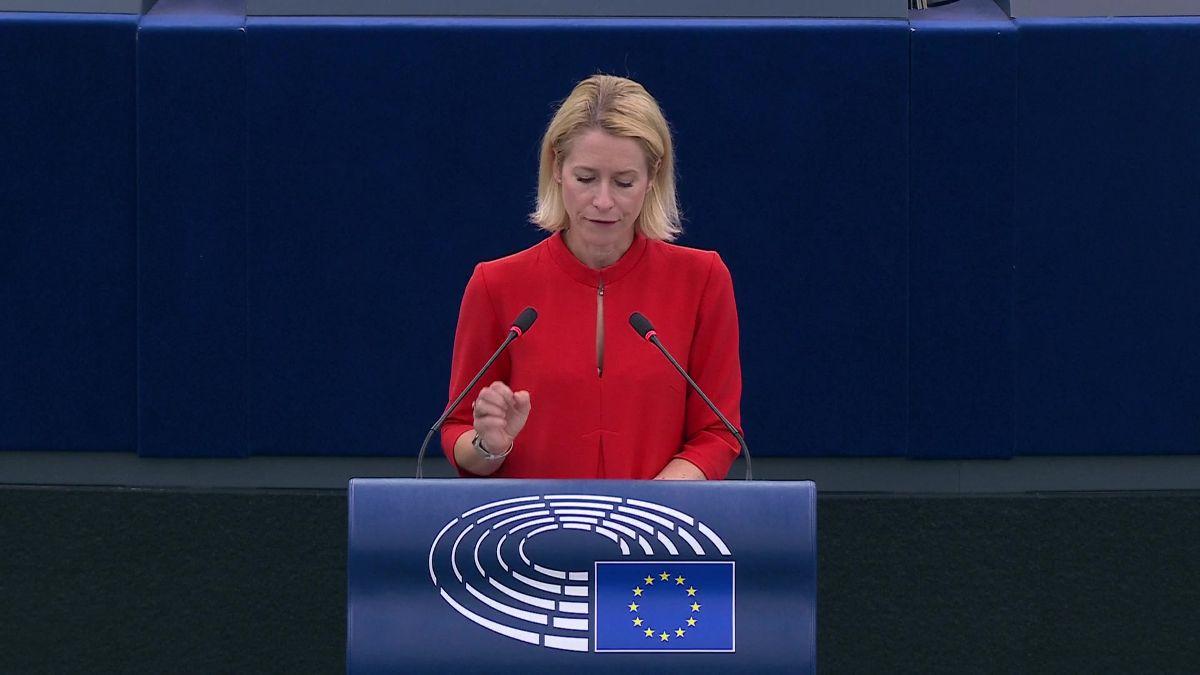
Kaja Kallas told a plenary session of the European Parliament in Strasbourg, France that Russia's alleged hybrid attacks are intended to "intimidate and paralyze" societies and decision-making mechanisms. Kallas said, "Putin will not stop unless he is stopped," and urged countries to respond by imposing "greater costs" on Moscow. She pointed to incidents across Europe including an incident allegedly involving a Russian warship and a Danish helicopter, the downing of a drone over Lithuania by NATO jets, a Russian strike on a passenger train near the Ukrainian border, and Poland's recovery of a drone from its waters.
Kallas stressed that Europe should continue supporting Ukraine despite Moscow's actions, and she said, "We should not let fear dictate our choices." She outlined measures including publicly attributing Russian attacks, sanctioning those responsible, cutting off Russia's sources of funding, restricting the activities and movement of Russian diplomats, and strengthening protection of Europe's information space.
Attribution, sanctions, and coordination
In a statement to the European Parliament for the Joint Debate on Russia’s hybrid attacks, High Representative/Vice-President Kaja Kallas said that since Russia began its full-scale invasion of Ukraine in 2022 there has been a steady increase in hybrid attacks against Europe. She cited a sequence of incidents in the past 48 hours, including that a Russian warship fired flares at a Danish helicopter and that NATO jets had to shoot down a drone over Lithuania. Kallas said, "We need to be clear-eyed: these are not accidents," and described the attacks as calculated attempts by Russia to weaken resolve, test unity, and play with fears of escalation.
She argued that Europe must impose a greater cost, saying, "So as Russia is willing to take greater risks, Europe must impose a greater cost," and she listed steps including calling out attacks, sanctioning instigators, and cutting Russia’s funding off at the root. Kallas also said the EU has already cut Russia’s diplomatic presence in the EU and capped the Russian mission to the EU at 40 staff, while Member States have expelled 10 Russian diplomats, and she urged further tightening of controls within Schengen and protection of the information space.