Europeupdated 1h ago2 min read
European Union Unveils Arctic Strategy To Strengthen Security, Resilience, And Climate Action
This article is an automated aggregation of coverage from news outlets. Our editorials offer in-depth analysis curated by the NewsCord team.
EU Arctic Strategy prioritizes security, resilience, climate action, and regional cooperation. Aims to bolster EU presence with infrastructure, critical materials, icebreakers, and undersea cables.
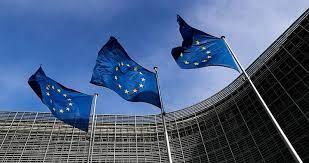
EU Arctic strategy unveiled
The European Commission presented a new strategy for the Arctic aimed at strengthening security and resilience, addressing climate change, supporting economic development, and expanding opportunities for Arctic communities. Ursula von der Leyen told the European Parliament in Strasbourg that "The Arctic is gaining increasing importance for Europe’s future," and she said the region is where "geopolitical powers confront each other directly."
“Access to Arctic sea routes and natural resources represents a strategic interest for the European Union.”
Kaya Kalas said the Arctic has become a "flashpoint in the global competition for influence" as Russia and China increase their presence, and she framed access to sea routes and natural resources as a "strategic interest for the European Union." Jozef Sikela said the EU wants to be a "strong and reliable partner" and described the strategy as responding to challenges from "accelerating climate change" to "growing security and geopolitical tensions."
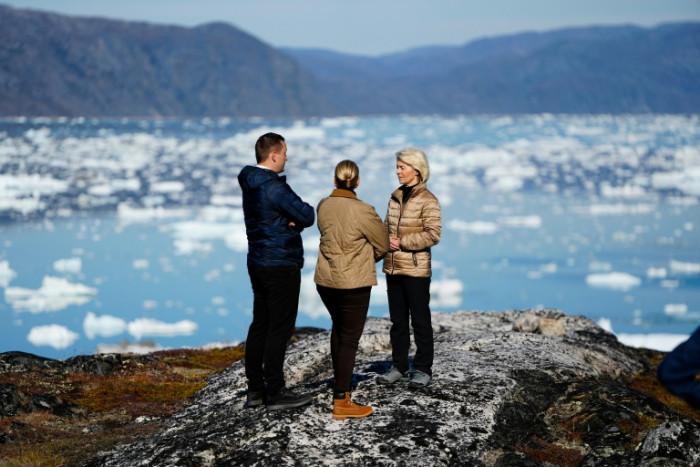
Cables, hubs, and icebreakers
The European Commission said the strategy includes the creation of new centers to monitor maritime activities and to protect submarine cables, and it described the plan as building infrastructure capable of withstanding challenges. The INSIGHT EU MONITORING account said the strategy proposes a Maritime Security Hub to support information sharing and monitoring of maritime activities in the Arctic, and it said the EU would support an Arctic Cable Hub to monitor, protect and help repair submarine cables in the North Atlantic and Arctic.
The European Commission also tied the strategy to expanding European icebreaker capacity, and it said the EU will work with Member States, Arctic partners and in complementarity with NATO to improve preparedness and protect critical infrastructure. The European Commission framed the Arctic Cable Hub as a first step that would also be developed to include tracking shadow fleet vessels, detecting illegal fishing and pollution, and improving search and rescue coordination.

Competition and security stakes
The European Commission linked the strategy to rising geopolitical competition and said it is responding to security, climate, and mineral resource pressures in a region where new shipping routes and resources are reshaping security and economic conditions. The El País account said the new roadmap proposes a detailed study of the need for icebreakers and greater coordinated monitoring of key infrastructures, especially submarine cables, and it described the Arctic as a place where Russia, China and the United States want to expand their presence.
The European Commission said the Arctic is warming at nearly four times the global average, and it warned that warming contributes to more intense and longer-lasting extreme weather events across Europe. The European Commission also said the strategy builds on its 2021 Arctic Policy and recalled that it has provided more than one billion euros to support adaptation and development in the Arctic region between 2021 and 2027.