Technology and Science · 29 July, 2026 · 3 min read
FCC Bans Imports of Foreign-Made Humanoids, Quadrupeds, Robot Vacuums, and Lawn Mowers
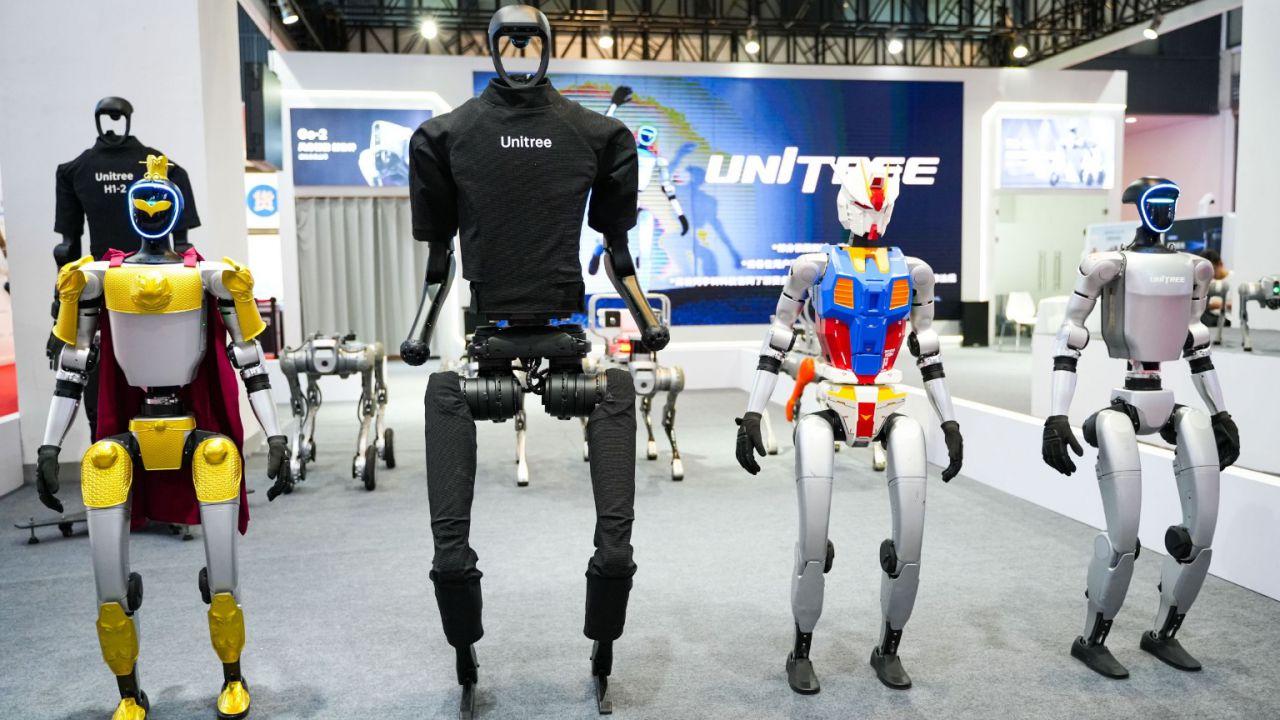
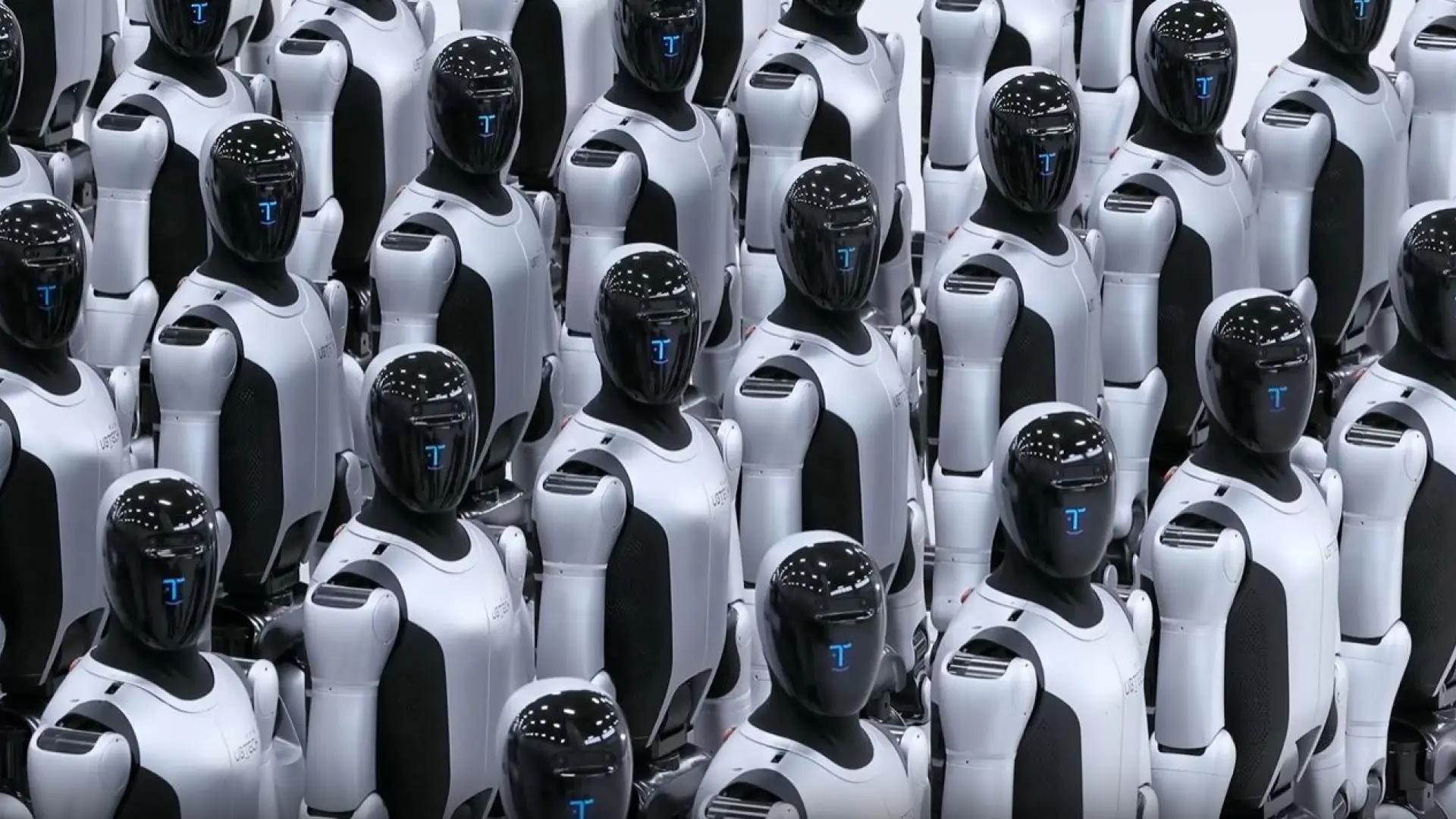
FCC bans imports of foreign-made humanoid and quadruped robots, plus power inverters, citing national security. Targeting China, most devices sold in the U.S. are produced abroad, especially by Chinese firms.
PCMag uniquely includes robot vacuums in the ban.
4 of 6 outlets skipped it: FCC definition uses weight over 2 kg (about 4.4 pounds).
26outlets compared
Same story, two versions
tap a side to read it in full
PCMag frames the ban as including robot vacuums; AP focuses on humanoids and inverters.
FCC blocks new foreign robots
The U.S. Federal Communications Commission has banned imports of new foreign-made advanced robotic devices, including humanoids and quadrupeds, and the ban also covers robot vacuums and robot lawn mowers.
“covers both robot vacuums and robot lawn mowers”
PCMag reported that the FCC confirmed the newly announced ban “covers both robot vacuums and robot lawn mowers,” and that the FCC specifically named “mobile robots, such as humanoids and quadrupeds.”P
The FCC’s action also reaches devices that weigh over 4.4 pounds in total, including ground or docking stations, and PCMag said the Ecovacs Deebot X8 Pro Omni comes in at 11.7 pounds.P
The ban is framed as a national security measure tied to a White House order, and PCMag said the FCC cited the risk that the U.S. could become over-reliant on foreign suppliers for robot components and technologies.P
PCMag also said the FCC stated the action does not impact a consumer’s continued use of devices they previously acquired, and does not prevent retailers from continuing to sell, import, or market relevant models approved previously.P
National security dispute widens
Associated Press reported that the FCC is banning imports of new foreign-made humanoid robots and power inverters, citing national security risks, and said Beijing quickly accused the U.S. of protectionism.
AP quoted FCC chairperson Brendan Carr saying the move was to “secure America’s critical supply chains,” and it said the bans apply to “new versions” of such imports.
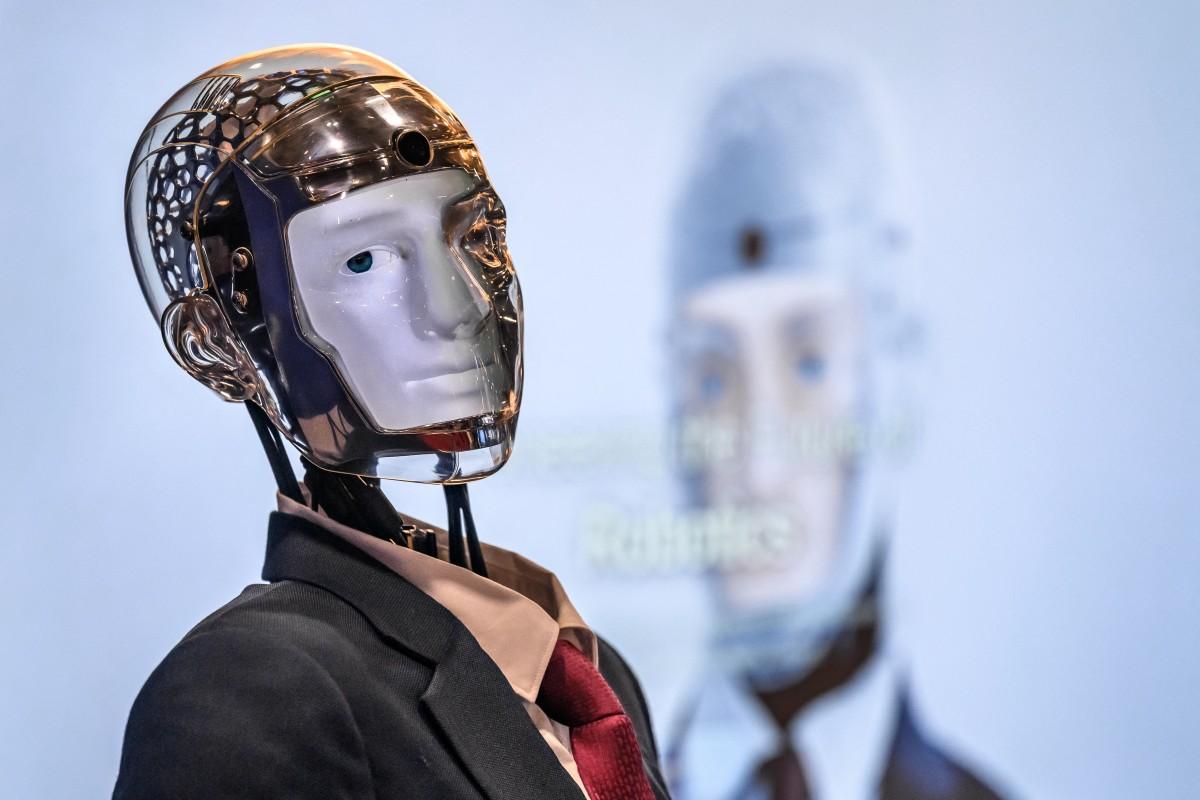
The Hill reported that the FCC added the devices to a covered list, where the commission wrote the products posed an “unacceptable risk to the national security of the United States or the safety and security of United States persons.”
The Hill also quoted Rep. John Moolenaar (R), chair of the House Select Committee on China, writing on X that “We must protect our country by keeping out Chinese robots with backdoors that share sensitive data with the CCP.”
China’s Foreign Ministry spokesperson Mao Ning told reporters at a press conference in Beijing that “Protectionism does not make the U.S. more competitive, and it will only hurt the interests of U.S. companies and consumers,” according to AP.
What changes next for industry
PCMag said the ban threatens to block any new Chinese robot vacuums from reaching the U.S., while also noting that a company can apply for an exemption and that it would be up to the Defense Department or the Department of Homeland Security to sign off.P
“secure America’s critical supply chains”
AP said the ban appears to not impact the continued use of existing devices nor the selling by Chinese companies of models that were previously approved by the United States, and it described the FCC’s move as part of a broader set of U.S. restrictions on Chinese imports.
TechCrunch reported that the FCC said devices made overseas could be remotely controlled or used for surveillance by foreign governments, or otherwise used in cyberattacks, and it said exceptions would be granted if the government finds that a device does not pose a risk to U.S. national security.
The Hill said the bans prevent new equipment authorizations, discouraging new devices from entering the U.S. market, and it reported that the ban affects all foreign-made products regardless of origin.
AP added that the measures are likely to test relations with Beijing ahead of a planned U.S. visit by Chinese leader Xi Jinping to meet with U.S. President Donald Trump in September, with China’s response including a promise to take “all measures necessary” to defend the legitimate rights and interests of Chinese businesses.