Technology and Science28 July, 20263 min read
Katalyst Space Technologies’ LINK Spacecraft Spins, Disrupting NASA Swift Orbit-Boost Mission
This article is an automated aggregation of coverage from news outlets. Our editorials offer in-depth analysis curated by the NewsCord team.
LINK experiences attitude-control failures, entering a multi-axis spin and sporadic communications. Two of LINK's three reaction wheels are non-operational, limiting attitude control.

Spin derails commissioning
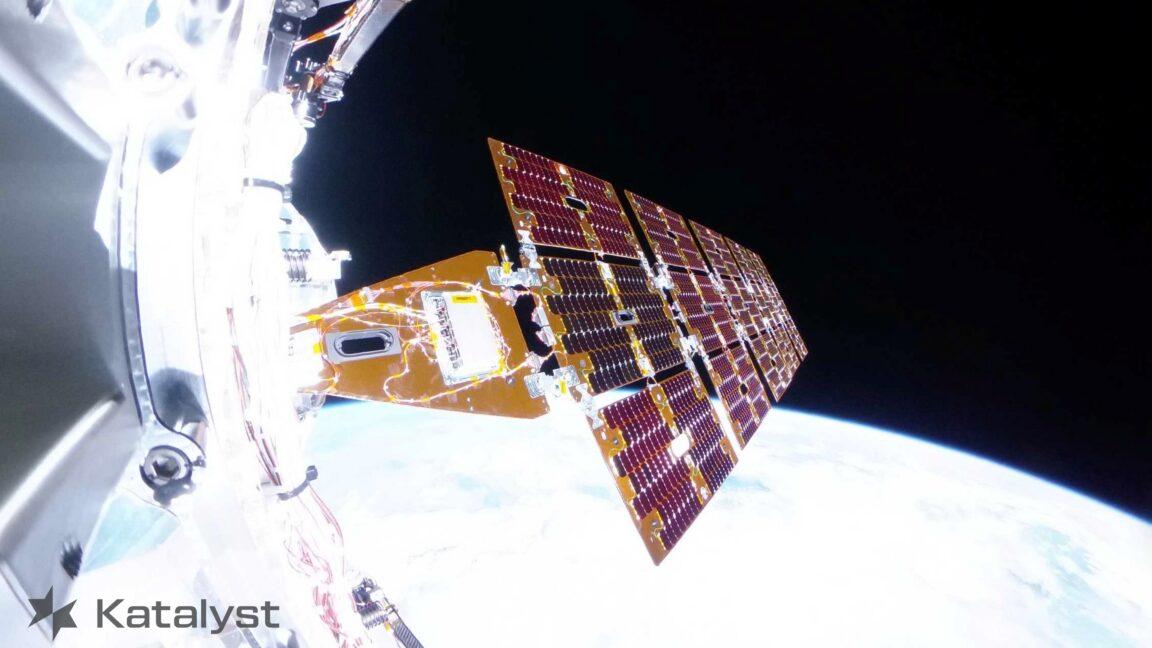
A spacecraft launched July 3 to boost NASA’s Neil Gehrels Swift Observatory is suffering attitude control problems that could jeopardize the mission, with Katalyst Space Technologies saying its Link spacecraft entered a “multi-axis spin” after attitude control issues affected communications. In a July 28 update posted on social media, Katalyst said that “Over the last 72 hours, the LINK spacecraft has been in a multi-axis spin, causing a temporary loss of communications and subsequent bus reset.” Katalyst reported that two of the three reaction wheels on Link were not functioning and that its reaction control system thrusters were only partially working, while NASA had said efforts to raise Swift’s orbit needed to begin before Swift fell below 300 kilometers.
“Over the last 72 hours, the LINK spacecraft has been in a multi-axis spin, causing a temporary loss of communications and subsequent bus reset.”
SpaceNews said Link launched into low Earth orbit on a Pegasus XL on a mission to rendezvous and dock with Swift, which is in a decaying orbit and will reenter late this year or early next year without intervention. NASA’s Science (.gov) update said the preliminary investigation showed that “two of LINK’s three reaction wheels currently are not operable,” and that there is some loss of functionality in its cold gas thruster system.
NASA details the failures
NASA said the Link servicing satellite “experienced issues with attitude control” over the weekend, causing the spacecraft to spin and resulting in sporadic communications. Ars Technica reported that “Preliminary investigation shows that two of Link’s three reaction wheels currently are not operable,” and that there is some loss of functionality in its cold gas thruster system. NASA also said the Link mission began July 3 with a ride to orbit aboard an air-launched Northrop Grumman Pegasus XL rocket, and that NASA and Katalyst reported good progress in the first weeks including successful deployment of the satellite’s power-generating solar arrays.
Ars Technica described how Link’s xenon-fueled electric thrusters are critical for orbit raising, noting that they are used for orbit raising to allow Link to rendezvous with Swift “some 200 miles above Earth.” NASA’s Science (.gov) update said the team is working to stop Link’s spin over the next few days using the spacecraft’s electric propulsion thrusters and then update Link’s guidance, navigation, and control to accommodate the spacecraft’s new configuration.
Swift’s reentry risk grows
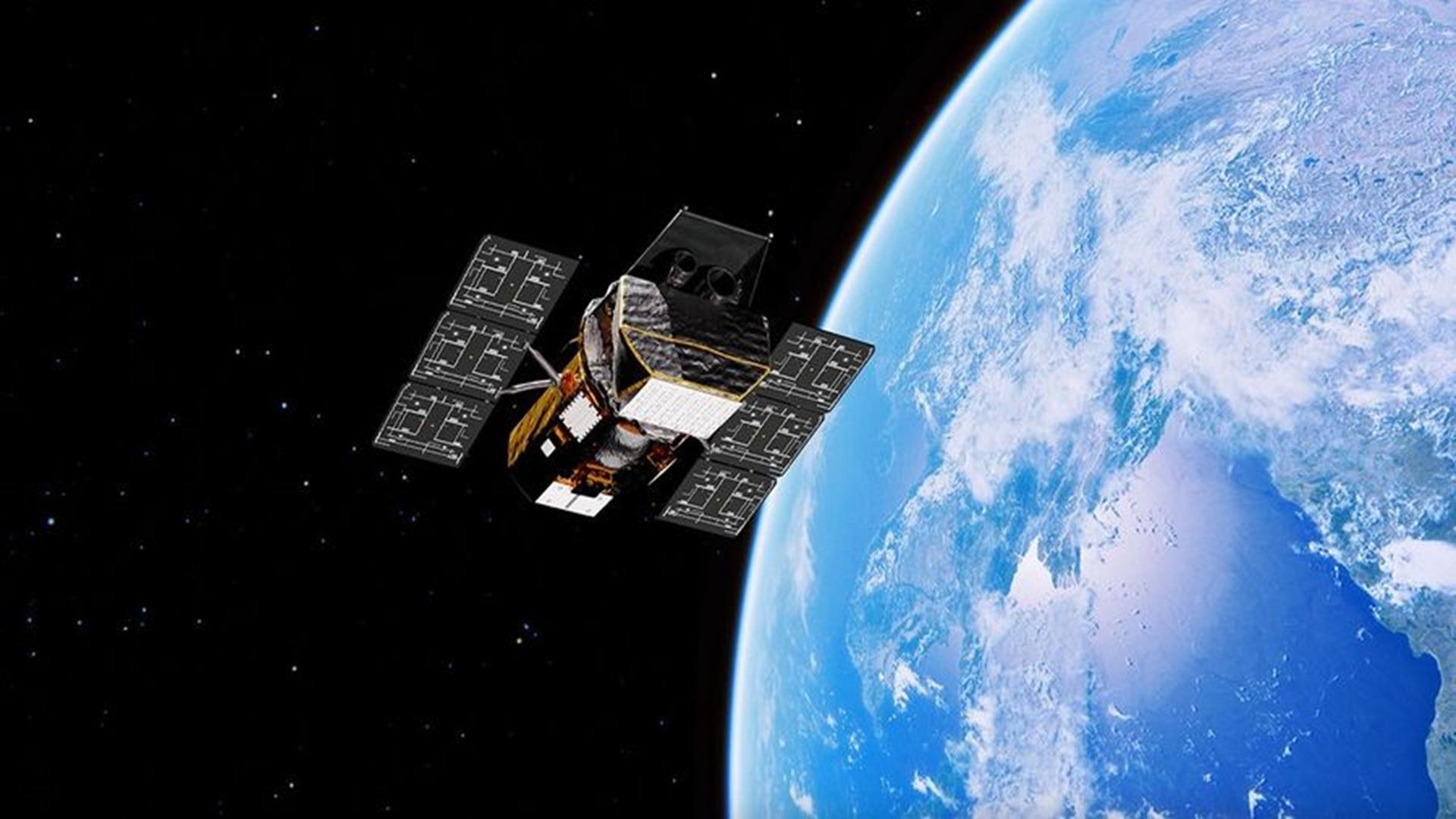
The Link mission is intended to approach, capture, and boost NASA’s Neil Gehrels Swift Observatory to a higher orbital altitude, but the current attitude-control problems threaten the timing of that rescue. Ars Technica said that without a rescue, Swift is on track to reenter the atmosphere and burn up in the next few months, while Rolling Out said Swift is expected to fall back to the planet this fall without intervention. SpaceNews reported that NASA awarded Katalyst Space a $30 million contract last September to attempt a reboost mission, and that Swift is currently at an altitude of about 350 kilometers with a prelaunch briefing expectation that Swift would reach the 300-kilometer altitude threshold in October.
“Without a rescue, Swift is on track to reenter the atmosphere and burn up in the next few months.”
NASA’s Science (.gov) update framed the next steps as working closely with NASA teams to evaluate revised plans to approach and capture Swift depending on the safety of the approach and Link’s health. Ars Technica added that once Link attaches itself to Swift with a set of three robotic arms, the electric thrusters will turn on again to raise Swift’s orbit and save it from destruction, but the spacecraft is now calling upon electric thrusters to stabilize Link’s attitude while it spins.