Technology and Science06 April, 20261 min read
Five Years Later, LG Rollable Teardown Reveals Engineering Marvel
This article is an automated aggregation of coverage from news outlets. Our editorials offer in-depth analysis curated by the NewsCord team.
Motorized expanding display from 5.5 to 7.5 inches with seamless Android integration. LG canceled the Rollable project after exiting smartphones in 2021.
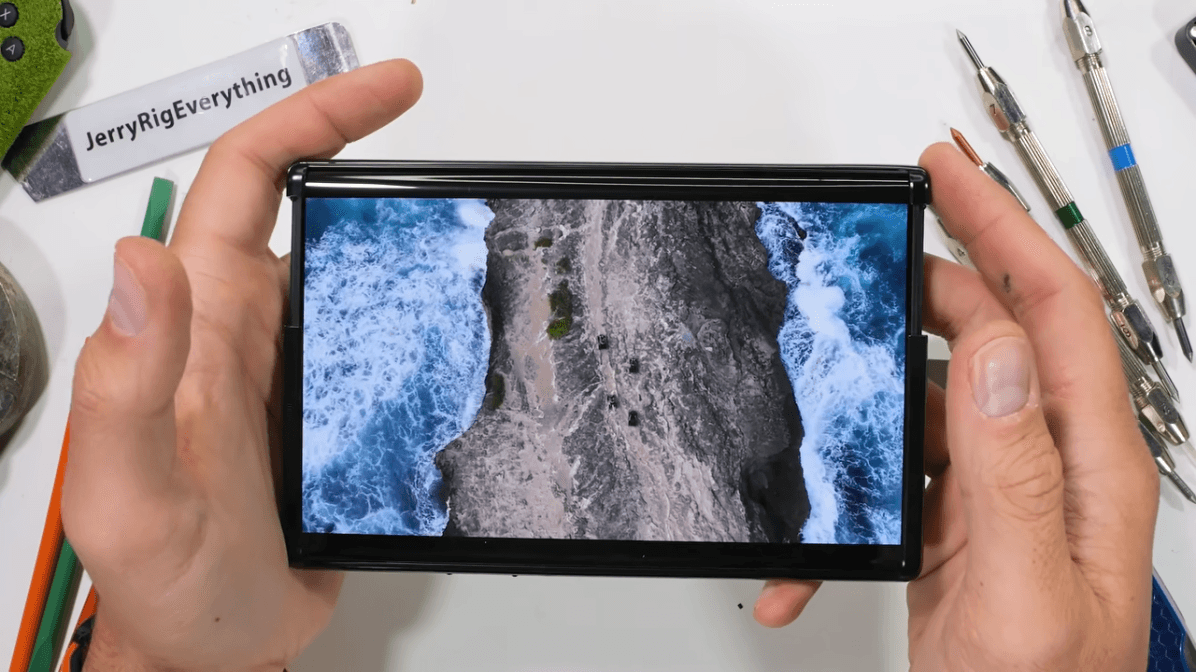
Unveiling the LG Rollable
Five years after LG exited the smartphone market, the unreleased LG Rollable has been dissected in a full teardown revealing sophisticated engineering. Unlike foldables that hinge a screen, the LG Rollable uses a motorized mechanism to expand the display horizontally from 5.5 inches to 7.5 inches. The mechanism is powered by two geared motors running along a rack system, assisted by spring-loaded arms to keep the OLED panel even.
The display unrolls from the back of the device where it slides beneath a glass panel that doubles as a rear display. LG incorporated dust-blocking bristles to keep debris out of the mechanism.

Engineering Insights
The motorized mechanism proved robust, capable of moving two textbooks with ease during testing. The device received ratings for 200,000 expansion cycles signaling confidence in reliability. The screen uses a soft plastic layer with ultra-thin glass underneath on the expandable portion.
Motors produce noticeable noise requiring a musical chime to mask it. The handset's software integration allowed display adaptation and animated wallpapers.
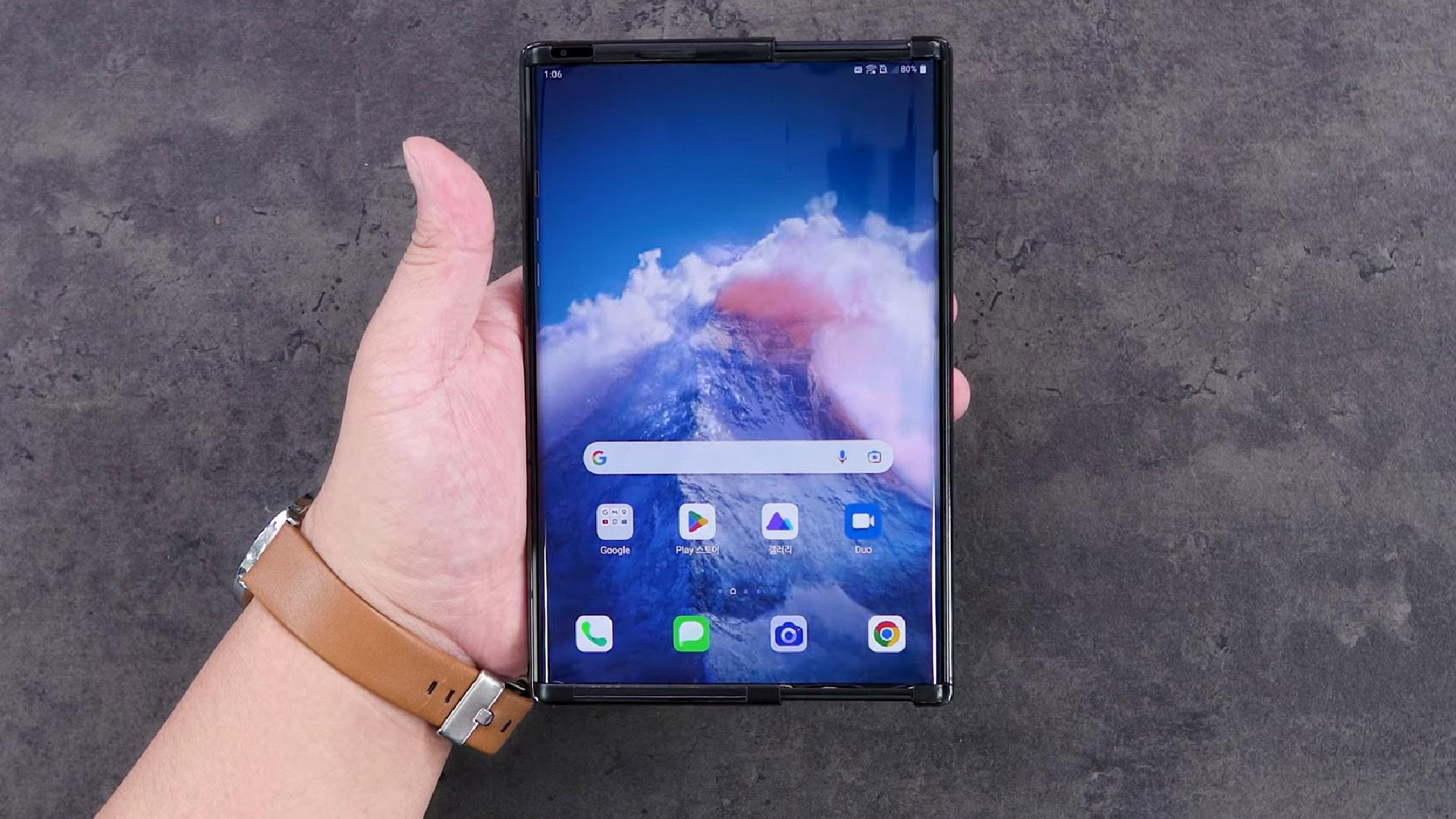
The Industry Impact
LG's shutdown interrupted a streak of bold hardware innovation. The Atlantic Council described the broader context of shifting from capability degradation to regime change. The Rollable represents a path not taken in the smartphone debate.
Its design still feels cleaner and more practical in many ways. The device was reassembled and powered on after the teardown.