Other16 September, 20262 min read
Lebanon Returns 37 Smuggled Artefacts to Egypt After 2020 Port Seizure
This article is an automated aggregation of coverage from news outlets. Our editorials offer in-depth analysis curated by the NewsCord team.
Lebanon returns 37 Pharaonic artefacts to Egypt, smuggled out six years ago. Ceremony at Beirut's National Museum; Culture Minister hands artefacts to Egypt's ambassador.
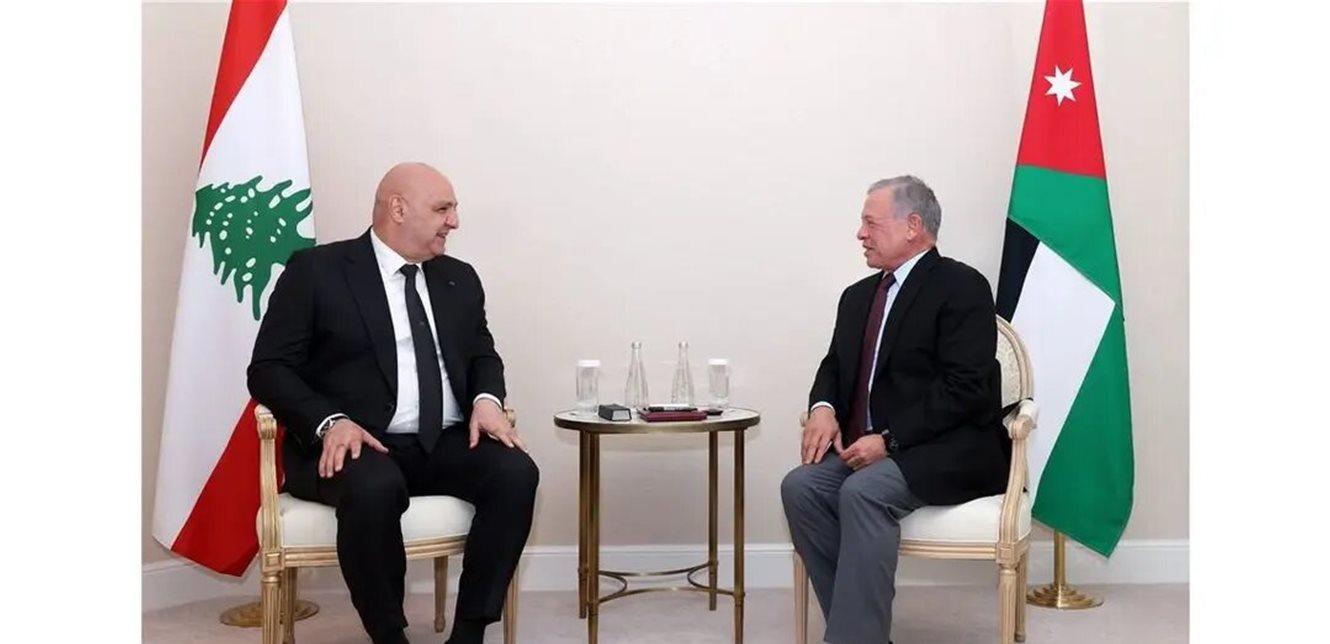
Artifacts Returned to Egypt
Lebanon returned 37 artefacts to Egypt in a ceremony at the National Museum of Beirut, with the handover taking place after the items were seized from the Port of Beirut in 2020. Lebanon’s Culture Minister Ghassan Salame said, "After investigating the identity and ownership of these items, it was determined that they belonged to Egypt," as he gave the artefacts to Egyptian Ambassador to Lebanon Alaa Moussa.
The collection consists of masks, wooden dolls, pieces of Coptic textiles, amulets made from glass paste, medium-sized statues and two wooden coffins decorated with colourful designs. Al Jazeera also reported that Lebanon spent years working with INTERPOL, Egypt and the country’s top public prosecutor to verify the ownership and authenticity of the items.

Convention, Cooperation, and Claims
In the same Beirut ceremony, Ghassan Salame framed the return as an application of the 1970 international convention, saying, "we set an exemplary model in the literal application of the 1970 international convention on preventing illicit trafficking of cultural property". Salame added that Lebanon had cooperated "with INTERPOL" and "with the Lebanese Public Prosecution for Discrimination" to verify ownership, authenticity, and lack of forgery before delivering the objects to Egypt.
The handover was described as part of a broader effort to combat illicit trafficking, with the artefacts being returned after identity and ownership checks and verification work. Al Jazeera reported that Laura Salloum, an official with Lebanon’s Directorate General of Antiquities, said the artefacts had been purchased by a Lebanese national without official documentation confirming their source.

New Finds and Repatriations
Separately, an Egyptian archaeological mission working at Tell Elabaqin in the Beheira Governorate uncovered a mudbrick residential complex dating to the New Kingdom and a stela bearing the name of King Ramesses II.
Arab News quoted Dr. Khaled Farhat, director-general of antiquities in Beheira, saying the mission began work at the site in 2015 and had determined the dimensions of both the military fortress and the surrounding mound, with the fortress covering about 9 feddans and the mound extending over approximately 35 feddans.
Farhat also said archaeologists discovered, for the first time during excavations in Beheira, part of a limestone stela bearing a Hieratic inscription associated with King Merneptah.
In parallel repatriation news, Switzerland returned a 2,000-year-old Ptolemaic funerary mask to Egypt after Swiss customs intercepted the mask in 2022 and experts confirmed its origin.