Other08 October, 20263 min read
Israel Transport Ministry Sought Flydubai Crew Nationality Data After Knesset Hearing
This article is an automated aggregation of coverage from news outlets. Our editorials offer in-depth analysis curated by the NewsCord team.
The Transport Ministry sought Flydubai crew nationality data after a closed-door Knesset hearing. The data request followed a Knesset security committee examination of the hijack.
7 outlets told this the same way.
Outlets did split on Lebanon Returns 37 Smuggled Artefacts to Egypt After 2020 Port Seizure →
www.jpost › Israel News was read line by line by the Watchdog: 4.8. See the score →
Crew data dispute
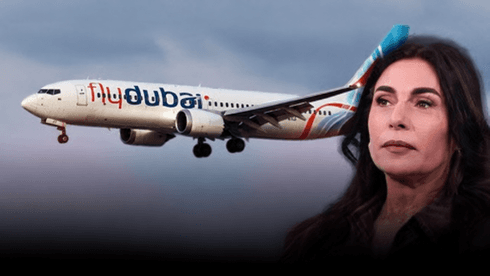
Israel's Transport Ministry's security division sought access to information on airline crews only after a closed-door Knesset hearing into the attempted flydubai cockpit attack, despite repeated requests from the Israel Tax Authority over the past three years. The Transport Ministry's security division requested immediate access to the National Passenger Assessment Center after the Tuesday meeting of the Knesset's Foreign Affairs and Defense Committee, seeking information about the nationalities of airline crew members. The Tax Authority said it had contacted the ministry several times before the attempted attack, explicitly asking it to fulfill its responsibility to appoint an authorized representative who could retrieve information from the center.
Transport Ministry officials said the system was not technically capable of providing airline crew nationality data 48 hours before departure, as required under the legislation governing the center, and instead the information becomes available only close to departure. The Transport Ministry disputed the Tax Authority's account, saying, "Claims that the security division was asked to send a representative and failed to do so are completely detached from reality."
Investigations widen
Lahav 433 opened a preliminary inquiry Wednesday into suspicions involving senior Transport Ministry officials responsible for aviation security, as the investigation concerns potential conflicts of interest involving ministry employees and the operations of foreign airlines in Israel. The inquiry centered on two senior officials, Avraham "Avri" Cohen, head of the Transport Ministry's security division, and Dvir Rubinstein, director of the ministry's Aviation Security Operations Center. Saudi Arabia continued its investigation into the security incident aboard the flight, while the United Arab Emirates conducted a separate criminal investigation in which Israel's Shin Bet security agency is participating.
Ofer Vaknin, head of the Transport Ministry's aviation safety investigation authority, told Reuters that Israel was prepared to assist with such an investigation, saying, "We are still waiting for an invitation from Saudi Arabia." The investigation into the actions of Omani pilot al-Hammami remained underway as Israeli authorities faced questions about aviation security information available before the incident and whether existing procedures were adequately implemented.
Security responsibilities contested
Israel's scrutiny expanded from the attempted attack itself to questions about who was responsible for vetting foreign pilots and securing foreign flights entering Israel. A report said the Transportation Ministry sent security directives to foreign airlines day after the flydubai attack, stressing that it is responsible for security of inbound flights, and it cited a letter that explicitly confirmed that "the Security Division of the Israeli Ministry of Transport bears the responsibility for the security of inbound flights to Israel." The letter, headed "Security Directive 2026: Security Measures for Foreign Flights Entering the Israeli FIR," warned operators that aircraft operators must not let citizens of enemy countries pilot, crew, or even travel on flights to Israel.
The report also said the letter instructed airline operators to refer to a separate list of such countries and warned that the ministry would conduct recurring assessments and "on-site audits" to ensure implementation. Israeli television reported that most Arkia and Israir flights used aircraft leased from foreign airlines, and Arkia CEO Oz Berlowitz said, "For wet-leased flights [originating abroad], we do not get the Shin Bet security envelope."