Lebanon11 July, 20263 min read
Hezbollah Rejects Israel-Lebanon Trilateral Framework, Vows Continued Resistance After June 26 Signing
This article is an automated aggregation of coverage from news outlets. Our editorials offer in-depth analysis curated by the NewsCord team.
Hezbollah rejects the June 26 US-Israel-Lebanon framework and vows continued resistance. A US-backed trilateral framework with Israel and Lebanon aims to end hostilities and secure sovereignty.
Framework Signed, Rift Deepens
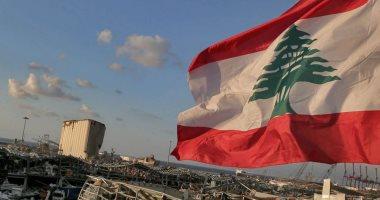
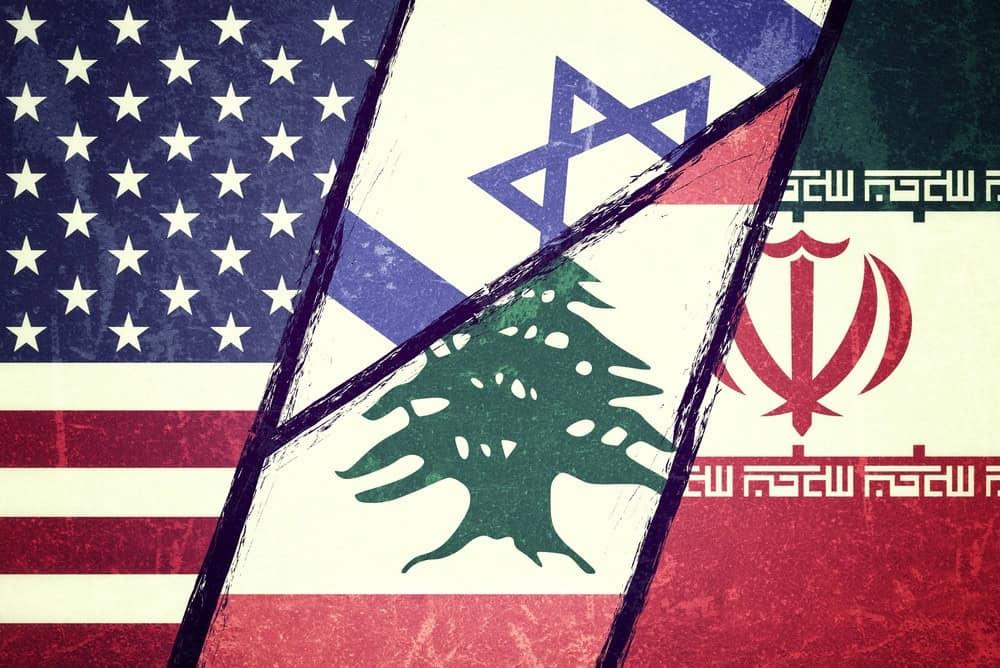
On June 26, Israel and Lebanon signed the Trilateral Framework Between the United States, Israel, and Lebanon, a deal whose goal is to end the conflict between Israel and Lebanon, secure both countries’ sovereignty and security, and establish peaceful relations. Hezbollah rejected the deal outright, vowed continued “resistance,” and warned that enforcing the deal could push Lebanon toward a civil war, while the Amal Movement denounced it as unbalanced and promised to obstruct the deal “in its current form.” Lebanese reactions split between pro-Hezbollah opposition, sovereigntist conditional support, and the general public’s exhaustion, sectarian polarization, and skepticism over Israeli withdrawal and Hezbollah’s disarmament without a civil war.
In the framework’s core security bargain, Israel and Lebanon commit to a reciprocal, conditions-based phased withdrawal by the Israel Defense Forces (IDF), synchronized with the Lebanese Armed Forces’ (LAF) gradual control of all Lebanese territory and verified disarmament of non-state armed groups and dismantlement of their infrastructure. The dispute is sharpened by the framework’s phased language, which avoids triggering Lebanese opposition to “normalization” with Israel while linking any Israeli redeployment to Lebanese state control and the dismantling of armed group infrastructure in pilot zones.

Hezbollah vs Aoun, Salam
Hezbollah chief Naim Qassem urged Lebanese President Joseph Aoun to abandon the US-backed framework agreement and pursue only indirect negotiations, warning that the deal would serve Israeli interests at Lebanon’s expense. In a televised speech, Qassem said, “I guide you towards a solution: we accept negotiations with you, but indirect negotiations,” and he rejected the framework agreement as “entirely in Israel’s favour.” Lebanese President Joseph Aoun, speaking during a meeting at the Baabda presidential palace with a parliamentary delegation from the Lebanese Forces led by Samir Geagea, insisted, “I assure you that I will not reverse my decision to begin negotiations,” and argued the diplomatic path is an opportunity to restore sovereignty and rights by political means.
Prime Minister Nawaf Salam said Lebanon continues to work with friendly countries to stop Israeli attacks and push Israel to withdraw from its lands, stressing the independence of Lebanon’s decision-making and the state's full sovereignty over its territory. In response to Hezbollah’s rejection, MP Ibrahim Al-Moussawi told Al Jazeera that the party “is concerned to have a reaction to what the Lebanese authorities are doing,” adding that the government has “entangled itself and the country in direct negotiations with the enemy.”
Rome Talks, Implementation Pressure
As Lebanon prepares for further talks, Israeli Foreign Minister Gideon Saar announced on Tuesday that a new round of discussions would take place next week in Rome, while Lebanon insists on an Israeli withdrawal from the south and the Lebanese state’s full sovereignty over all its territory. Lebanon’s presidency says the negotiations start from the national interest and rejects linking them to any external agendas, and it frames the negotiating track as a path to recover Lebanon’s rights through diplomatic means while Hezbollah escalates its criticisms of the agreement. In the implementation phase described by Lebanese and American sources, a U.S. military delegation will supervise the start of Israel’s withdrawal from two experimental zones in southern Lebanon, and President Nawaf Salam is holding meetings with Army Commander General Rudolph Heikal to discuss preparations for the Lebanese army’s deployment alongside Israeli withdrawal.
“In the latest Israeli drone strikes on southern Lebanon, a young man was killed and three people were injured.”
The stakes remain tied to unresolved security questions, because the framework agreement links Israeli redeployment to the Lebanese army taking security responsibility in areas Israel withdraws from and to disarming armed groups, something Hezbollah rejects. Meanwhile, the latest Israeli drone strikes on southern Lebanon killed a young man and injured three people, including a strike targeting a motorcycle on Doha Road in Kfar Ramman in the Nabatieh District and an attack that sent a young man to a hospital in Sidon for treatment.