Lebanon16 July, 20263 min read
MONTEREAU 1 Operation Detects Lebanese Airspace Violations, French FCR Reports to UN
This article is an automated aggregation of coverage from news outlets. Our editorials offer in-depth analysis curated by the NewsCord team.
UN Security Council Resolution 1701 frames Lebanon-Israel security actions. Ceasefire diplomacy between Lebanon and Israel is actively pursued under UN oversight.
UNIFIL, FCR and 1701
From July 8 to 10, nearly 400 French and Finnish soldiers of the Force Commander Reserve (FCR) led the MONTEREAU 1 operation in the western sector of South Lebanon, in close coordination with the Lebanese Armed Forces (LAF). The operation’s main objective was to verify the proper application of UN Security Council Resolution 1701 through reconnaissance patrols conducted jointly with the LAF to detect activities contrary to the resolution and report them to the United Nations.
On the ground, the Ministère des Armées said several violations of Lebanese airspace were observed and reported to the United Nations, and FCR units carried out substantial weapons discoveries that were reported and handed over to the LAF. The Ministère des Armées added that combat-contaminated areas were identified and secured by the French sappers, and that the MONTEREAU 1 operation “once again demonstrates the central role of the FCR and UNIFIL.”

Diplomacy and obstacles
The United Nations called on Lebanon and Israel to use all available diplomatic channels to immediately end hostilities and resolve outstanding issues in accordance with Security Council Resolution 1701, with negotiations between representatives of the two sides expected to take place in Washington on Tuesday. At a Monday press briefing, UN spokesperson Stéphane Dujarric said the United Nations stands ready to work with both parties to facilitate efforts, while the UN Special Coordinator for Lebanon, Jeanine Hennis-Plasschaert, continued to work toward full implementation of Resolution 1701 and a permanent ceasefire.
Dujarric also described obstacles encountered by UNIFIL, saying Israeli soldiers yesterday tried to hinder the passage of a UN convoy near the town of Chamaa, but the UNIFIL convoy was ultimately able to cross. The UN spokesperson warned that, despite the recurrence of such incidents, UNIFIL forces continue their on-the-ground operations to support efforts to prevent clashes, protect civilians, and ensure the delivery of humanitarian aid, reiterating the call on all parties to fulfill their obligations to protect UN peacekeepers.

Lebanese politics and arms monopoly
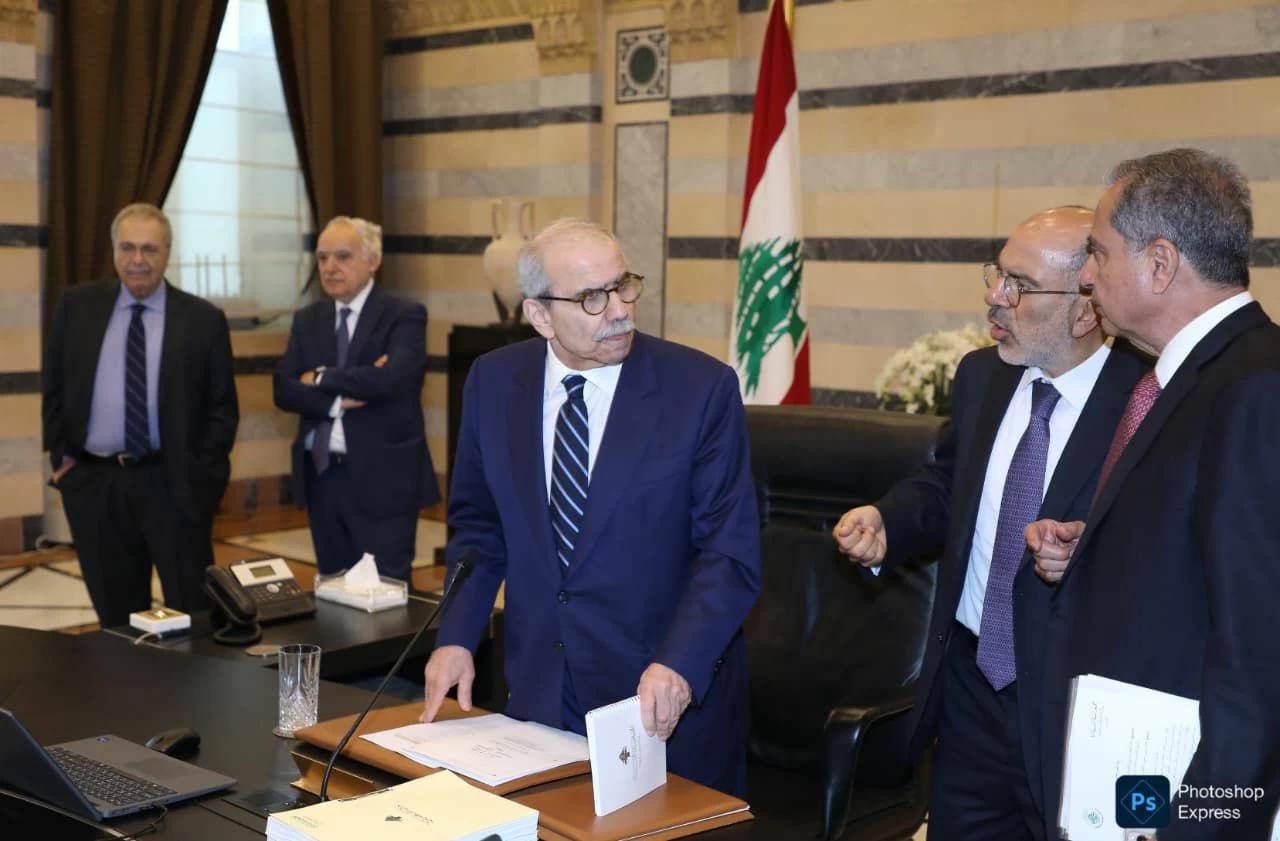
Lebanese Prime Minister Dr. Nawaf Salam said at the beginning of the Cabinet session that the negotiation path adopted by the government represents the fastest and least costly way to protect Lebanon and the South, and he linked it to implementing Lebanon’s official commitments to UN Resolution 1701 issued in 2006.
Salam said the evacuation of the area south of the Litani River from armed groups and weapons is not an external imposition, but rather the implementation of Lebanon’s official commitments to UN Resolution 1701, and he warned against the consequences of missing the opportunity as happened in 2000 and 2005.
He announced the commencement of practical field steps by launching the first phase of the deployment of the Lebanese Army in specific experimental areas in the South, as a measure that supports the demand for complete withdrawal without negating it.
In a separate thread of domestic contention, Al-Akhbar published an investigation accusing the Baabda presidency of sliding toward a security-cooperation pattern comparable to that of the Palestinian Authority based in Ramallah, aiming to denounce what it presents as coordination between Lebanese institutions and the State of Israel to weaken Hezbollah and the armed components of the resistance.