
Lebanon · 02 September, 2026 · 2 min read
Hezbollah Denies Connection to Security Cell Accused of Destabilizing Lebanon and Syria
Hezbollah denies links to security cell accused of destabilizing Lebanon and Syria. Arrested ex-Syrian colonel alleged to lead network plotting attacks on Damascus forces.
4 outlets, one story, no spin found.
2 of 3 outlets skipped it: suspects allegedly trained with Hezbollah-backed militias and learnt explosives/drones.
4outlets compared
Saba and Al-Manar emphasise Hezbollah denial; L'Orient-Le Jour adds alleged training details.
Hezbollah denies alleged cell
Hezbollah denied any connection to a security cell accused of destabilizing security in Lebanon and Syria, with its Media Relations office issuing a “categorical denial” on Wednesday.
“Hezbollah's Media Relations office issued today, Wednesday, a "categorical denial"”
In a statement carried by the Lebanese Al-Manar website, Hezbollah said the “party has no connection, directly or indirectly, to any such cell or group,” and described the allegations as “entirely and completely baseless.”
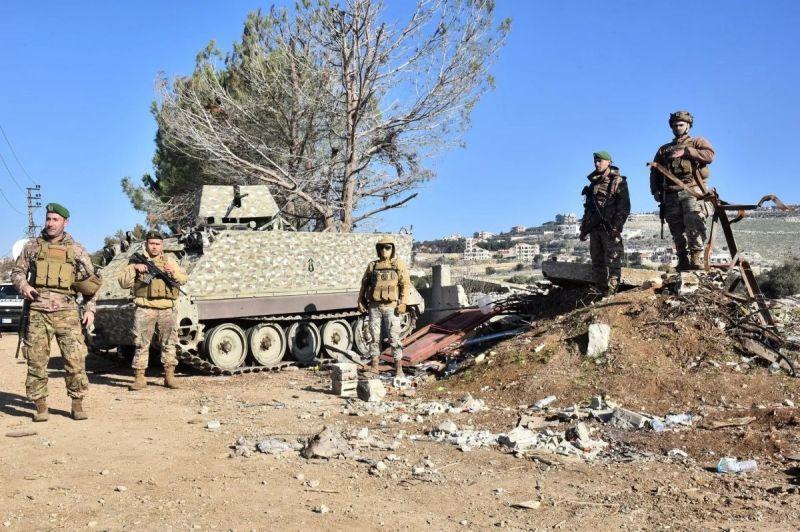
The denial came as L’Orient-Le Jour reported that Lebanon arrested a former Syrian colonel and accomplices accused of plotting attacks against government forces of the new Islamist regime in Damascus.
L’Orient-Le Jour said the Lebanese judicial official told AFP that the network was led by a former general of the Syrian army close to Bachar al-Assad and based in Moscow, and that Hezbollah-backed militias in Lebanon provided military training.
Arrests, evidence, and court
L’Orient-Le Jour reported that Lebanese authorities arrested two other Syrians and two Lebanese and seized “machine guns, grenades, and explosives” from the suspects.
The same report said the suspects were being questioned under the supervision of the Prosecutor General at the Court of Cassation, Judge Ahmad Rami Hajj, who ordered the investigation to be deepened.
It also described Al-Modon’s account, citing a judicial source, that the investigation began with the arrest of Ali Safi, a former colonel in the Syrian air force intelligence hiding in Akkar where he worked as a coffee seller.
Hezbollah again denied the linkage in its own statement, saying it had “no links, direct or indirect, with any cell or group of this kind, and the allegations and accusations are entirely unfounded.”
What’s at stake next
L’Orient-Le Jour said initial elements of the investigation showed the defendants were “plotting attacks against Syrian forces on the Syrian coast,” a region described as majority populated by Alawites.
“plotting attacks against Syrian forces on the Syrian coast”
The report tied the case to broader regional tensions by noting that the Syrian coast had been the scene of deadly violence in March 2025, and that Hezbollah had been an ally of Assad’s regime during the civil war from 2011 until the Islamist coalition seized power in late 2024.
It further reported that Lebanon and Syria expressed determination to open a new chapter in their relations since the fall of the Assad clan and the weakening of its ally Hezbollah, while Lebanese authorities denied hosting figures from Assad’s regime and extradited a former Syrian general in August.
In its denial, Hezbollah’s Media Relations office said attempts by some media outlets to drag Hezbollah’s name into such security issues and attribute claims to unnamed sources fall within efforts to “mislead, distort the party's image, and maliciously seek to incite strife and undermine the country's security stability.”