Protests18 October, 20253 min read
Hungary Guarantees Putin’s Entry to Budapest to Meet Trump
This article is an automated aggregation of coverage from news outlets. Our editorials offer in-depth analysis curated by the NewsCord team.
Hungary guarantees Putin’s safe entry to Budapest despite ICC arrest warrant. Trump and Putin plan to meet in Budapest to discuss peace over Ukraine conflict.
15 outlets told this the same way.
Outlets did split on France Suspends Police Stun Grenades at High School Protests After 15-Year-Old Loses Hand →
Budapest Summit Plans
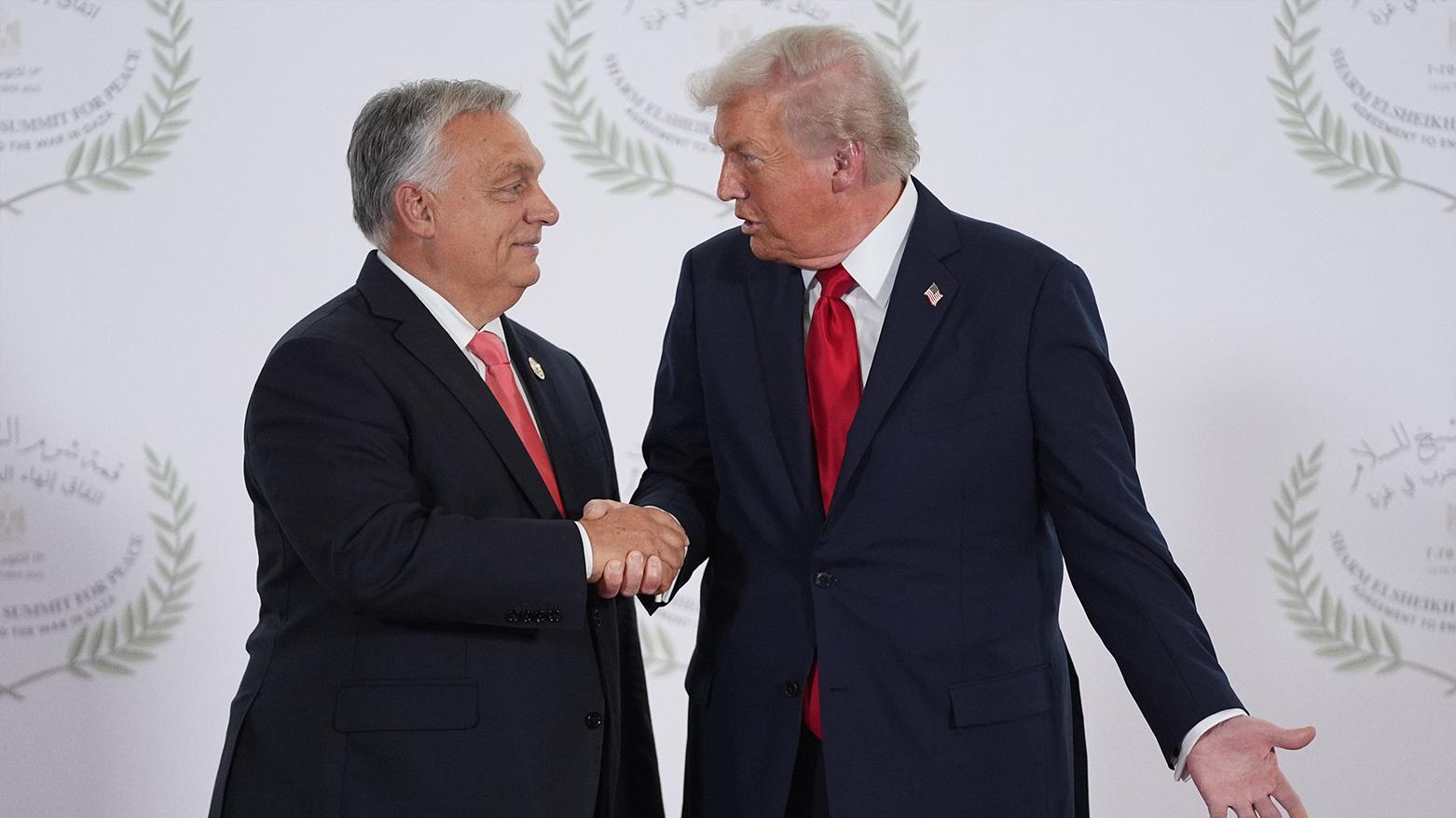
Hungary has pledged to guarantee Vladimir Putin’s entry, talks, and safe departure for a planned summit with Donald Trump in Budapest. Trump and multiple outlets say the summit could happen within about two weeks, aiming to discuss ending Russia’s war in Ukraine. Coverage converges that Budapest is ready to host the meeting and that the European Commission has signaled cautious openness if the meeting advances peace.
“Former U.S. President Donald Trump announced plans to meet Russian President Vladimir Putin in Budapest within two weeks... Hungarian officials confirmed they would guarantee Putin’s secure entry, talks, and departure.”
Legal and political risks still loom over the planned summit. The Kremlin has acknowledged the plan but says many details are still unresolved. EU institutions maintain sanctions on Putin despite the proposed meeting.
Hungarian Prime Minister Viktor Orbán promotes the meeting as part of a broader 'peace mission,' positioning Hungary as a rare pro-peace venue in Europe. This stance is controversial due to the ICC warrant for Putin.
Challenges in Putin's Travel Plans
Legal and logistical hurdles dominate coverage regarding Putin's travel arrangements. Hungary remains a member of the ICC until mid-2026 but signals it will not detain Putin. Officials in Hungary are exploring ways to bypass EU airspace restrictions on Russian aircraft.
Reports highlight Orbán's plan to withdraw Hungary from the ICC by 2026. Enforcement of the ICC warrant depends on the cooperation of member states. Some sources suggest the EU might consider limited overflight exemptions linked to peace efforts.
At the same time, Brussels emphasizes that all members must respect ICC decisions. Overall, organizing Putin's travel is complicated by sanctions, ICC obligations, and flight routing across EU or Ukrainian airspace.
Hungary's Political Position on Ukraine
Orbán presents hosting as a political and diplomatic success, emphasizing a self-proclaimed “pro-peace” stance. Critics and various media outlets depict Hungary as isolated within Europe and confrontational toward Ukraine. Coverage from Asia and West Asia highlights the symbolism of Budapest as the location of the 1994 Budapest Memorandum, which guaranteed Ukraine’s sovereignty in exchange for disarmament.
“Orbán... portraying Hungary as a rare ‘pro-peace’ country in Europe... Despite being a NATO member, Hungary has refused to supply weapons to Ukraine, opposed EU sanctions on Russia, and increased Russian fossil fuel imports since the invasion.”
Many argue that Russia later violated this agreement. Reports also focus on Hungary’s refusal to supply arms to Ukraine and its opposition to European Union sanctions.
Additionally, Hungary has strengthened its energy relations with Russia. Orbán’s domestic political strategy is also a significant factor in these positions.
Diplomatic and Military Developments
The diplomatic gambit unfolds amid intensifying war dynamics and contested military aid narratives. Western mainstream and alternative outlets note US discussions on Tomahawk and Patriot systems and express skepticism about their strategic impact. Battlefield updates report Russian advances and strikes.
Coverage focused on Ukraine stresses escalatory risks and the possibility of future direct talks. Trump’s camp and Russian negotiators describe their recent call as productive. However, Ukraine’s leadership has publicly rejected negotiations in Moscow during active conflict.

Diplomatic Uncertainty and EU Divisions
Uncertainty over the execution persists. The Kremlin admits that many details remain unresolved. Some reports indicate that the final approval depends on diplomatic preparations, even naming specific US actors.
“EU institutions... oppose direct dialogue with Putin... The meeting’s occurrence remains uncertain, pending diplomatic preparations by US Secretary of State Marco Rubio in Moscow.”
EU institutions appear divided between cautious pragmatism and resistance to direct engagement with Putin. Some sources highlight pragmatic openness and possible technical accommodations, such as overflight exemptions. Other sources emphasize institutional opposition and the continuation of sanctions.

Analysts warn that the meeting could help Putin project influence in Europe. Hungary's support and the EU's exclusion from direct talks are deepening divisions.