Global Politics20 November, 20262 min read
Archive photo · 29 April 2024ICJ Rules Myanmar Committed Genocide Against Rohingya, Orders Prosecution and Compensation
“The Court’s reasoning in the Myanmar case will likely influence other genocide cases pending before the ICJ, including South Africa v.”
“This is unlike the situation in Gaza, where most deaths were caused precisely by the hostilities.”
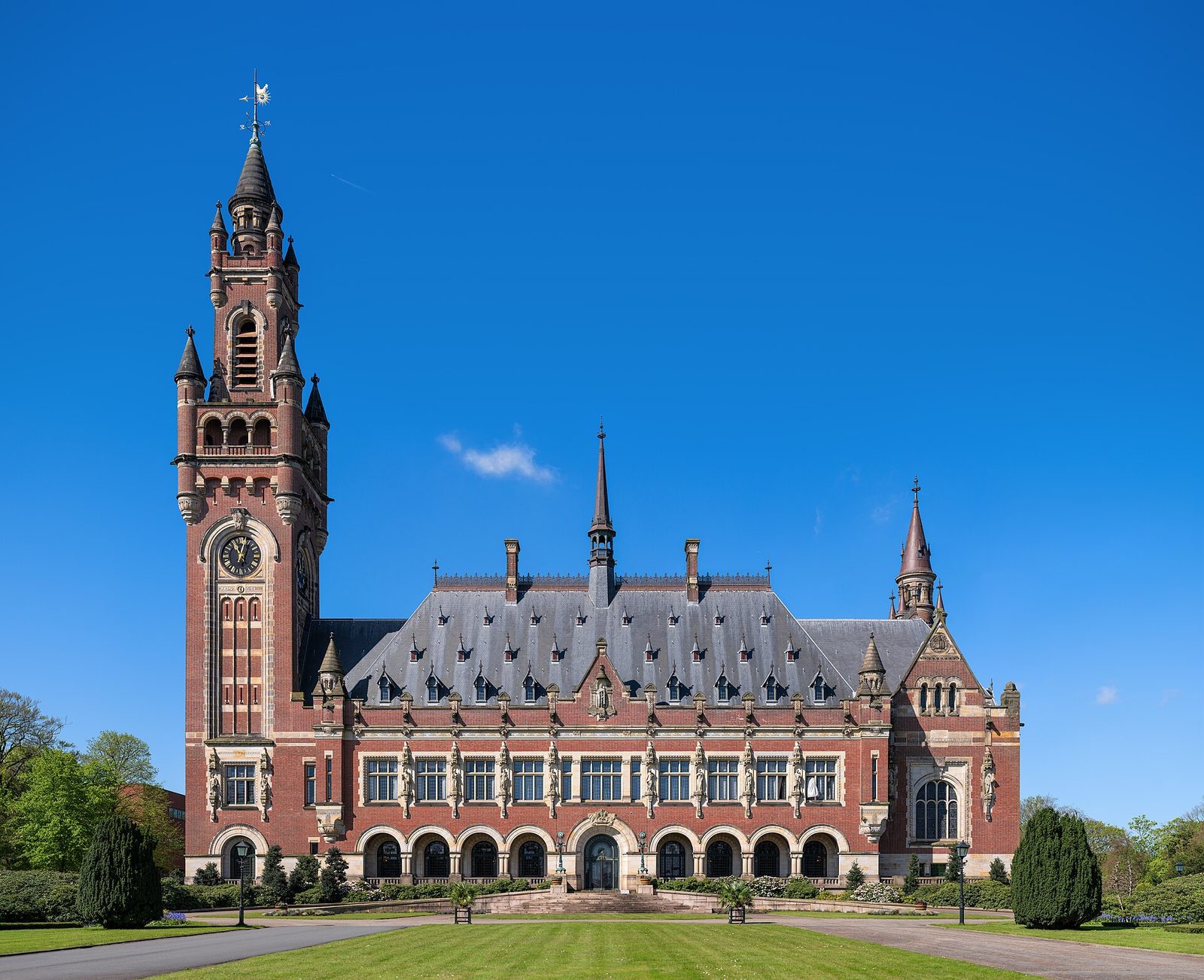
Photo: Thomas Wolf, www.foto-tw.de, CC BY-SA 3.0 de · Cropped for layout
This article is an automated aggregation of coverage from news outlets. Our editorials offer in-depth analysis curated by the NewsCord team.
ICJ ruled Myanmar committed genocide against Rohingya. The Gambia filed the case with the ICJ in 2019.
Save coverage image
ICJ finds Myanmar genocide
The International Court of Justice ruled last Thursday by a 9-6 majority that Myanmar committed genocide against the Rohingya in the northern part of Rakhine State, and the court said the decision is final and not subject to appeal.
The court ordered Myanmar to prosecute those responsible, ensure a safe, voluntary, and dignified return of the displaced, compensate the Rohingya, and report on its actions within two years.
The court also found that Myanmar security forces killed at least 10,000 civilians during “clearance operations” against the Rohingya, committed widespread acts of gang and mass rape and other forms of sexual violence, and perpetrated widespread acts of extreme violence against children.
Michael A. Becker said the judges found that an intent to destroy a substantial part of the Rohingya group was the only reasonable inference drawn from the totality of the evidence, and he described the case as the first time the ICJ held a state directly responsible for the commission of genocide.
Proof, intent, and evidence
Verfassungsblog described the ICJ’s discussion of genocide definition and evidence as largely restating orthodox positions, while noting that the court affirmed that proving genocide requires ‘fully conclusive’ evidence.
Verfassungsblog also said the ICJ held that the Independent International Fact-Finding Mission on Myanmar applied a lower, ‘reasonable grounds to believe’ standard, and it described the court’s approach to the Independent Investigative Mechanism for Myanmar as giving its reports considerable weight.
Michael A. Becker said the Gambia’s case was a response to “clearance operations” undertaken by Myanmar’s security forces in 2016 and 2017, which he said led to the deaths of over 10,000 Rohingya.
Abou Kamara Tambadou told The World, “We do it in the name of humanity,” and he later told Reuters, “I saw the hallmarks of genocide clearly in all these testimonies.”
What happens next
The ICJ ordered Myanmar to allow and facilitate the return of the displaced Rohingya, most living in refugee camps in Bangladesh, and the Council on Foreign Relations said the UN Security Council has the power to enforce the ruling against Myanmar.
The Council on Foreign Relations added that enforcement would be unlikely given the veto power of the current governments of the United States, China, and Russia.
Al-Jazeera Net said the court has no enforcement mechanism, but Gambia can appeal to the UN Security Council and seek action if Myanmar refuses to implement the ruling under Article 94 of the UN Charter.
Verfassungsblog framed the ruling’s significance as “The Court Has Now Opened the Door,” and Michael A. Becker said the judges’ intent finding turned on the totality of the evidence and the rejection of alternative possible explanations that could not reasonably account for conduct attributable to Myanmar.