Iranupdated 1h ago3 min read
Iran And United States Remain In Impasse As Talks Resume At UN General Assembly
This article is an automated aggregation of coverage from news outlets. Our editorials offer in-depth analysis curated by the NewsCord team.
Iran-US talks remain deadlocked, with diplomatic efforts failing to break the impasse. Risks of renewed confrontation persist as tensions and threats between sides intensify.

Anadolu Ajansı was read line by line by the Watchdog: 0.8. See the score →
Endless war, no deal
Iran and the United States remain locked in an impasse that Ali Vaez and Mohammad Atollahitabar describe as a cycle where direct fighting may pause but fundamental disagreements return as escalation, attack, and retaliation. Ali Vaez and Mohammad Atollahitabar said efforts to restart talks took place on the sidelines of the UN General Assembly in New York, where Iran proposed shortening the timetable for reopening the Strait of Hormuz to seven days instead of 30 days. The interview account said Tehran would open the strait in seven days, while the United States would take steps in the early days of the agreement to reduce economic pressure, lift the blockade, and end the war.
Mohammad Atollahitabar argued that Washington believes Iran is severely weakened and may collapse at any moment, and he said that belief reduces the motivation for a durable agreement. Mohammad Atollahitabar warned that if Washington’s view does not change, “an agreement capable of lasting will not take shape.”
Elections, planning, retaliation
Media reports described plans to resume attacks on Iran before the midterm elections, after the deployment of new forces to the Middle East. The account said Donald Trump asked CENTCOM and the Pentagon to provide plans for a new military attack on Iran to be carried out before the November 12 midterm elections, even as Trump promised he would not attack Iran before the elections. The report said the White House asked the Pentagon to draft options for attacking targets in Iran that could be executed before the midterm elections, and it quoted a Pentagon official saying, “The Defense Department’s job is to formulate military options and present them to the President.”
The same account said Axios reported that if the operation resumes on a broad scale, wide aerial attacks against Iran’s energy infrastructure, facilities, and nuclear targets are expected. Iranian officials warned that they would respond decisively if attacked, and Kazem Gharib Abadi told RIA Novosti: “But if they repeat past mistakes and pursue military scenarios and threats, a large portion of the consequences will extend beyond the region’s borders.”

Deterrence, mediation, brink
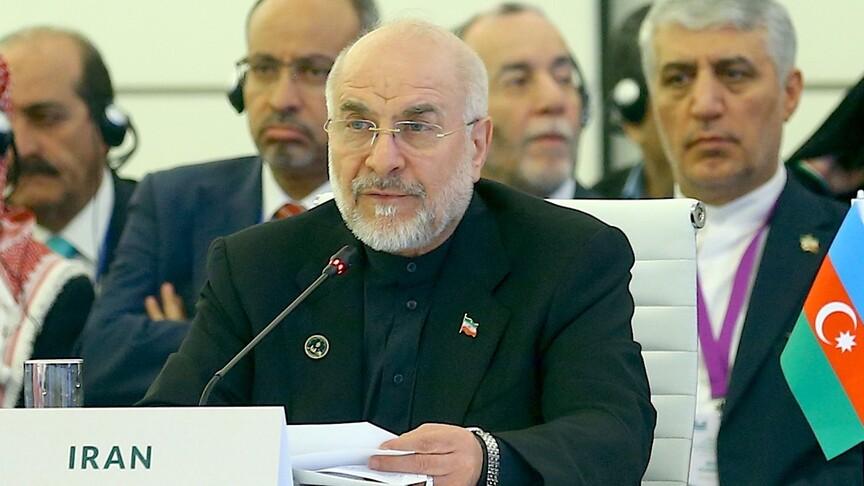
Iran’s parliament speaker Mohammad Bagher Qalibaf said the Iran-US framework deal helped Tehran strengthen military capabilities and argued that Iran should combine military action with negotiations to achieve “sustainable deterrence.” Qalibaf said Iran’s strategy should follow a cycle of “war, negotiations, and deterrence,” and he argued that “Our goal is to create deterrence by becoming stronger and to establish this strength in the enemy’s mind.” The Anadolu Ajansı report said the framework deal was reached in Islamabad on June 18, with Pakistan and Qatar acting as mediators, and it said the deal outlined steps toward ending hostilities and reopening the Strait of Hormuz.
The New Arab said diplomatic efforts remained deadlocked despite continued exchanges of messages and mediation attempts, and it reported that Russia’s mediation efforts faltered after Kremlin spokesman Dmitry Peskov said Putin conveyed Tehran’s proposals to US President Donald Trump. The New Arab quoted Iranian Foreign Ministry spokesman Esmail Baghaei saying, “Technically speaking, in the strict sense of the word, Pakistan and Qatar are still playing the role of actual mediators between Iran and the United States.”