Iran-Israel31 October, 20252 min read
Iran Condemns US for Resuming Nuclear Weapons Tests as Regressive and Irresponsible Bullying
This article is an automated aggregation of coverage from news outlets. Our editorials offer in-depth analysis curated by the NewsCord team.
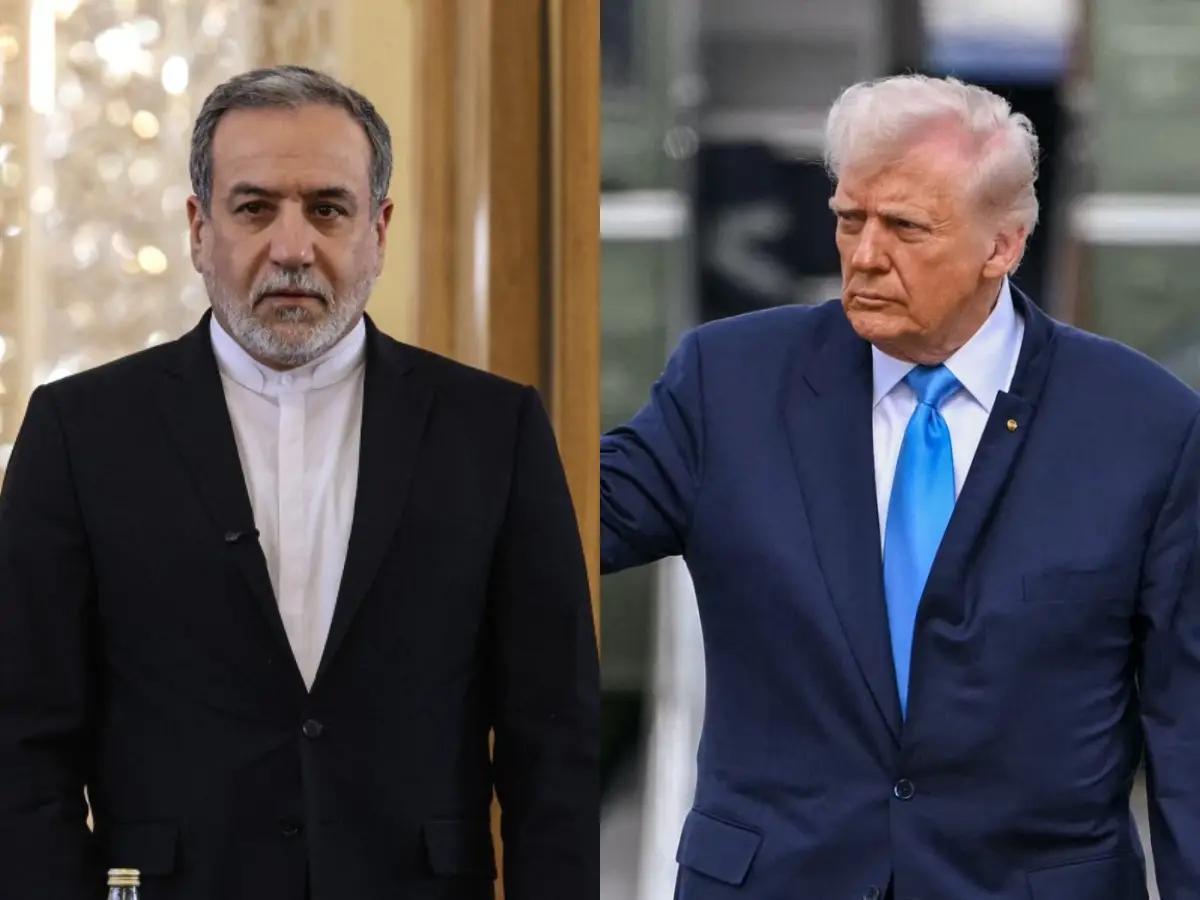
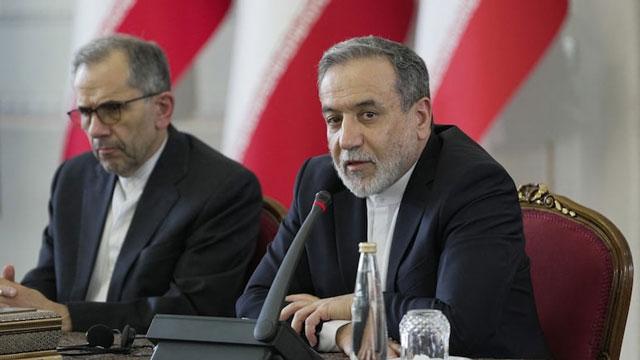
Iran’s Foreign Minister Abbas Araghchi called US nuclear testing plans regressive and irresponsible. Araghchi accused the US of hypocrisy for condemning Iran’s peaceful nuclear program while resuming tests.
7 outlets told this the same way.
Outlets did split on U.S. Intercepts Iran Message Activating Sleeper Cells After U.S.-Israel Strike Kills Khamenei →
Reactions to US Nuclear Testing
Iran’s Foreign Minister Abbas Araghchi condemned President Donald Trump’s decision to resume U.S. nuclear weapons testing. He described the move as regressive, irresponsible, and a threat to international peace and security. SSBCrack News reported that Trump announced a directive to begin nuclear testing immediately, marking the first such test in over 30 years.
“Iran has strongly condemned U.S. President Donald Trump’s recent order to resume nuclear weapons testing, calling it ‘regressive and irresponsible’ and a threat to global stability.”
Newsweek also covered the announcement, noting it as the first U.S. nuclear weapons test since 1992. Western outlet fakti.bg framed the development as U.S. plans to resume nuclear tests.

Asian outlet Daijiworld echoed that Trump ordered the resumption of nuclear weapons testing. These reports collectively portray the decision as dangerous and destabilizing.
Iran's Response to U.S. Nuclear Claims
A central Iranian charge across outlets is U.S. “hypocrisy,” with Araghchi accusing Washington of demonizing Iran’s peaceful program while restarting atomic tests. This framing is echoed by SSBCrack News, fakti.bg, and Daijiworld. Al Jazeera provides deeper context: Tehran insists its program is civilian and has never involved nuclear testing.
Iran’s capabilities are limited to some highly enriched uranium, with no evidence of weaponization. The U.S. and Israel have carried out air strikes on Iranian sites. Daijiworld adds that the decision undermines long-standing global non-proliferation efforts, threading Iran’s critique into broader international concerns.
Global Nuclear Test Treaty Status
Several sources situate the dispute within the global testing and treaty landscape. Al Jazeera notes the US, China, and Iran have signed but not ratified the test ban treaty. Russia withdrew its ratification in 2023.
“The US, China, and Iran have signed but not ratified the original nuclear test treaty, while Russia withdrew its ratification in 2023.”
The U.S. last conducted a nuclear test in 1992. North Korea is the only state to have tested in the past two decades. SSBCrack News similarly recalls that the last U.S. nuclear test occurred in 1992, after which a moratorium was established.
Daijiworld and Newsweek highlight potential damage to arms control. There are concerns about undermining long-standing non-proliferation efforts and the Nuclear Nonproliferation Treaty.
Media Perspectives on Nuclear Testing
Outlets differ in how they frame the risks and justifications of renewed nuclear testing. Newsweek highlights warnings that renewed testing could trigger a new arms race and notes the Doomsday Clock moving one second closer to midnight. It also mentions health harms from past Nevada tests.
Some U.S. supporters argue that testing ensures the reliability of the arsenal. Opponents, however, see no technical need for renewed testing. SSBCrack News relays former President Trump's justification that testing is necessary to keep pace with other nations like Russia.
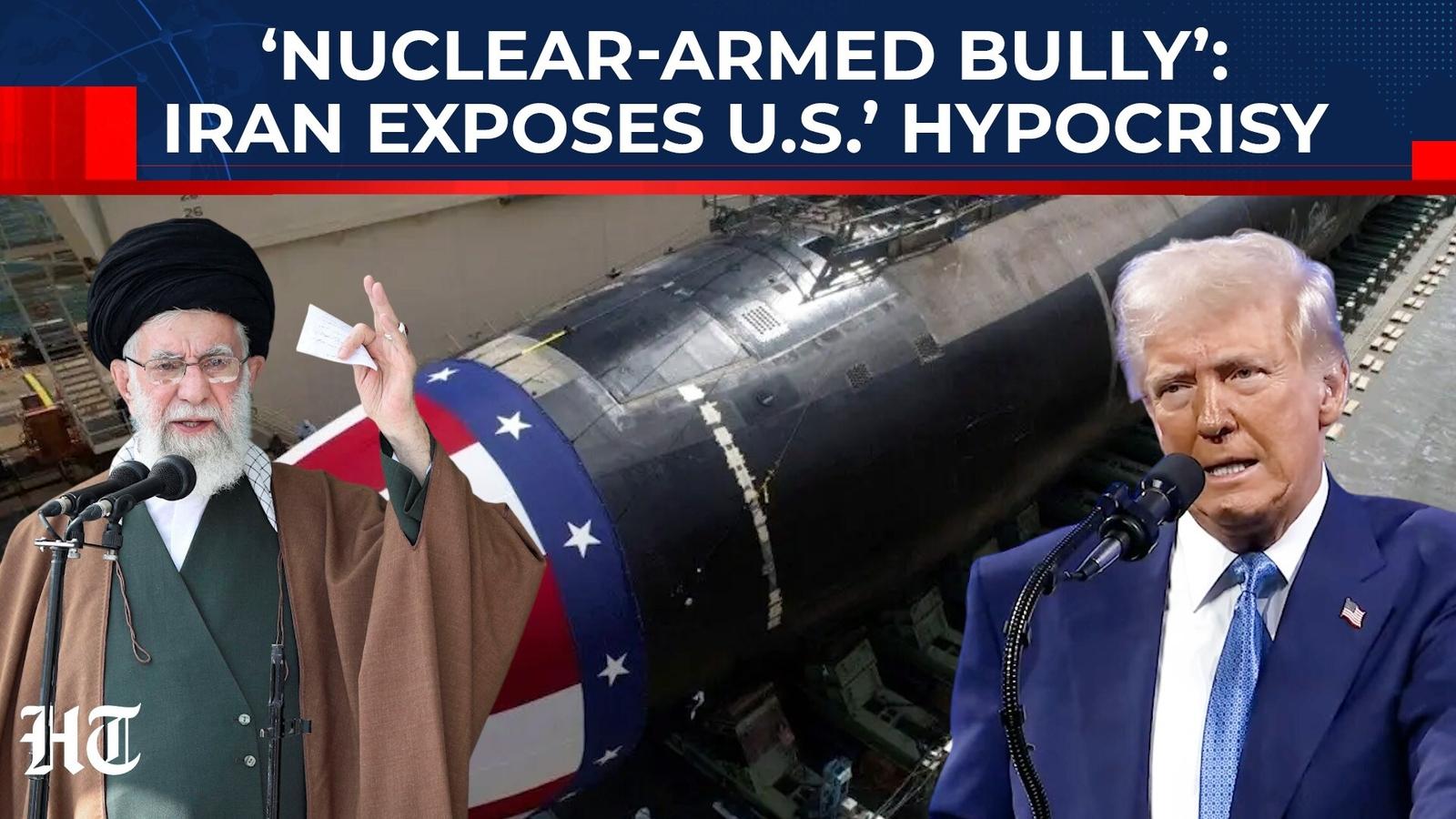
Daijiworld emphasizes growing global concerns about a rollback of arms control. Together, these accounts present a stark debate over the necessity of testing versus its dangers.
Uncertainty Over Nuclear Testing
There is notable ambiguity in the record about what “testing” refers to. SSBCrack News says Trump issued a directive to begin nuclear testing “immediately.” Newsweek reports an announcement to resume testing “for the first time since 1992.”
“Trump announced the directive to begin nuclear testing immediately, marking the first U.S. test in over 30 years, citing the need to keep pace with other nations like Russia, which has recently tested advanced nuclear-capable weapons.”
Al Jazeera cites nuclear security expert Trevor Findlay suggesting that Trump’s references likely meant missile launches “without nuclear warheads,” which the U.S., Russia, and North Korea conduct periodically. Fakti.bg uses the phrasing of U.S. “plans to resume nuclear tests,” highlighting the uncertainty between formal nuclear detonations and other forms of testing activity.
