Iranupdated 54m ago3 min read
Archive photo · 8 November 2019Iran Lawmakers Call for NPT Withdrawal as Trump Says War on Iran Will Be Wrapped Up
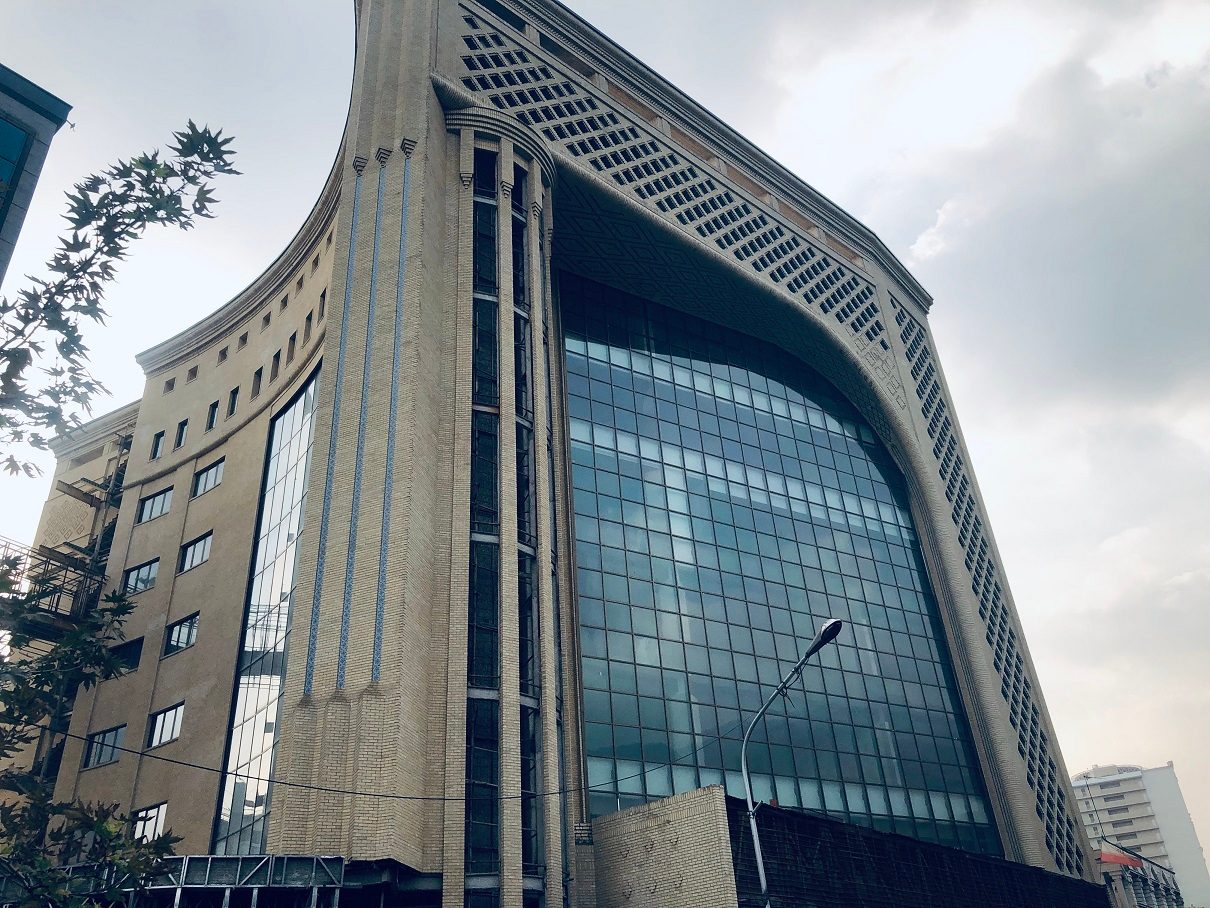
5 West Asian1 Western Alternative1 Western MainstreamPhoto: GTVM92, CC BY-SA 4.0 · Cropped for layout
This article is an automated aggregation of coverage from news outlets. Our editorials offer in-depth analysis curated by the NewsCord team.
Iranian lawmakers push to revise nuclear doctrine toward weaponization. Trump says the war on Iran will be wrapped up soon.
Save coverage image
7 outlets told this the same way.
New York Post was read line by line by the Watchdog: 3.0. See the score →
NPT Withdrawal Debate
Iranian lawmakers called for the country to withdraw from the Nuclear Non-Proliferation Treaty, as United States President Donald Trump said the war on Iran will be “wrapped up” soon. Senator Mahmoud Nabavian said, “Now that we have paid the heavy costs of war and sanctions, it is time for the Iranian nation to withdraw from the NPT treaty and change the nuclear doctrine,” and he linked the demand to the costs of conflict and sanctions. Iranian parliament member Ebrahim Rezaei said 10 proposals to withdraw from the treaty had been registered and that withdrawal was under consideration, according to the Fars news agency.
Mohammad Javad Haj Ali Akbari described a review of Iran’s nuclear doctrine as a “national demand” during his sermon on Friday, with state broadcaster IRIB reporting the remarks. The debate unfolded as Qatari mediators returned to Tehran to mediate peace talks with the US, while Iran insisted it had no plans to develop nuclear weapons and demanded an end to the US naval blockade, lifting of sanctions, and guarantees against further attacks.
Rezaei, Vance Letter
Senior security official Mohsen Rezaei told Iranian state television that he had reviewed a message from US Vice President JD Vance but had not yet sent a response, and he said, “Their tone has completely changed,” describing the shift as a positive sign. Rezaei said no new decision had been taken to change Iran’s nuclear doctrine, while he acknowledged that the question of whether Iran should retain its existing approach if another war breaks out was being debated. Rezaei said the nuclear issue could only be addressed in later stages of negotiations, after the United States met Iran’s demands, and he stressed that any future discussions must recognize Tehran’s rights under the treaty.
Rezaei also insisted that the Strait of Hormuz would remain closed until Iran’s conditions were met, and he said reopening the route could not be separated from a broader settlement with the United States. The diplomatic exchange raised the possibility of renewed negotiations, but US President Donald Trump said Vance’s outreach was intended to help Iran obtain medical supplies rather than restart peace negotiations.
Hardline Threats and Doctrine
A senior Iranian lawmaker renewed demands that Tehran build an atomic bomb shortly after Supreme Leader Mojtaba Khamenei ordered military preparations for “an immediate and unrestricted response” against the US and Israel. Mahmoud Nabavian wrote on X that, “Given the threats facing the Iranian nation, it can be confidently stated that a change in the nuclear doctrine is the demand of the overwhelming majority of the heroic people of Iran,” and he added, “We must respond at the same level at which the enemy attacks us,” citing a Quran verse. Khamenei directed the Islamic Revolutionary Guard Corps to update its list of US and Israeli targets to include all “physical and non-physical” assets within the reach of Iranian forces, and the directive came as Iran faced the prospect of renewed military action by the US and Israel.
Major General Mohsen Rezaei said the discussion inside Iran centered on whether Iran should maintain its nuclear doctrine if another war breaks out, while he stated, “No new decision has been made yet,” regarding any official change. Rezaei also tied the diplomatic track to Iran’s seven conditions, saying the Strait of Hormuz was “not likely to be reopened unless Iran’s conditions are met,” as Iran continued to link maritime access to wider political and security arrangements.