Iran-Israel05 October, 20252 min read
Iran Parliament Approves Plan to Slash Four Zeros from Rial Currency
This article is an automated aggregation of coverage from news outlets. Our editorials offer in-depth analysis curated by the NewsCord team.
Iran’s parliament approved removing four zeros from the rial to simplify transactions. The redenomination follows years of sharp rial depreciation and renewed international sanctions.

6 outlets told this the same way.
Outlets did split on U.S. Intercepts Iran Message Activating Sleeper Cells After U.S.-Israel Strike Kills Khamenei →
Iran Currency Redenomination Reform
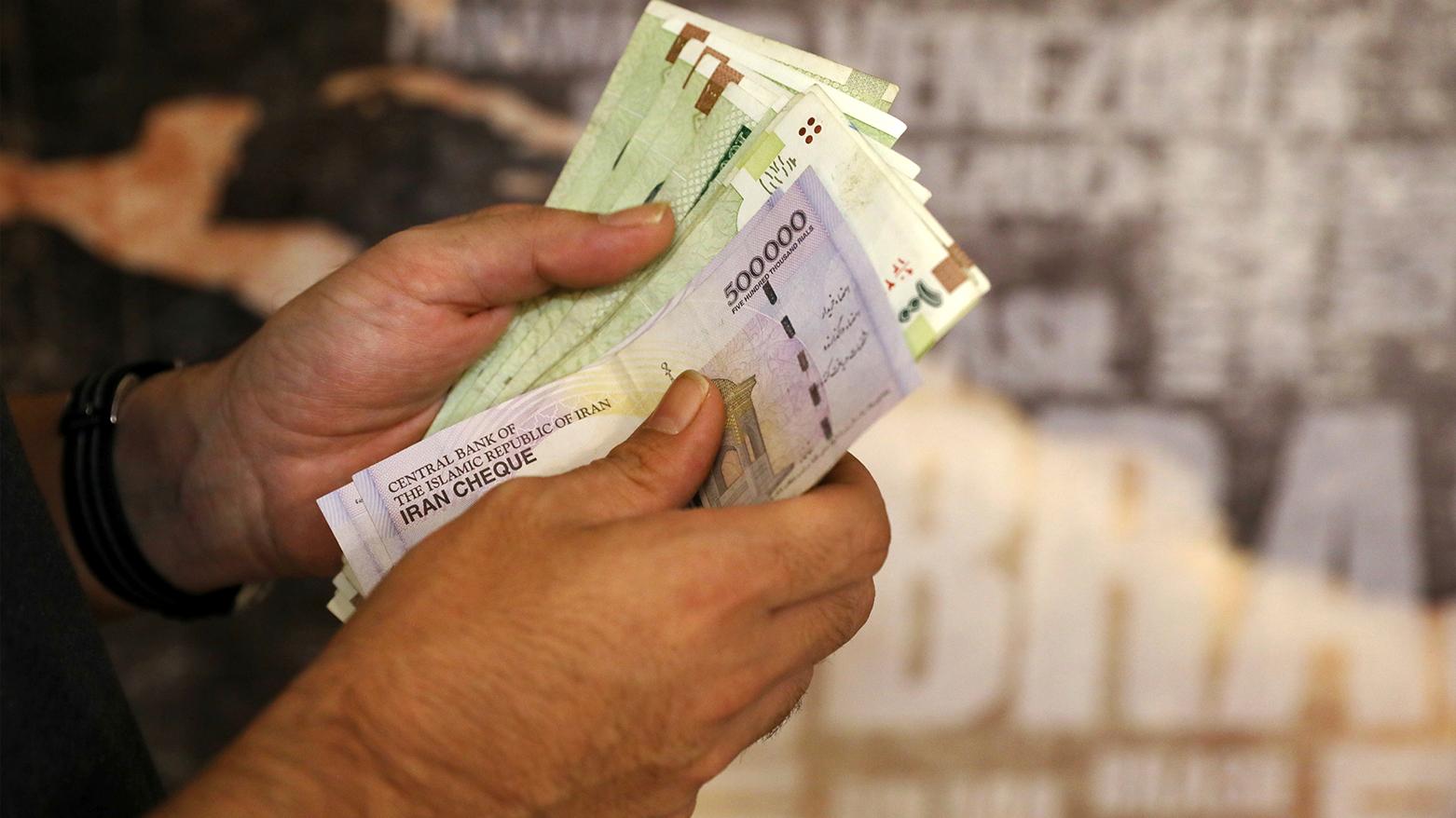
Iran's parliament has approved a significant economic reform to redenominate its national currency, the rial, by removing four zeros. This move is aimed at simplifying financial transactions and countering the effects of inflation and international sanctions. The new law will convert 10,000 current rials into one new rial, which will be subdivided into 100 Qerans.
“Iran’s parliament has approved a bill to redenominate the national currency by removing four zeros from the rial.”
The Central Bank of Iran is tasked with managing the transition, which includes a dual circulation phase where both old and new currencies will be in use for up to three years. This period allows for the gradual withdrawal of old banknotes and coins, with the Central Bank preparing for this transition within two years of the law’s enactment.

Iran Currency Redenomination Plan
The redenomination plan is seen as a response to the sharp depreciation of the rial, which has hit record lows on the black market. This depreciation is largely attributed to renewed international sanctions, particularly those related to Iran's nuclear deal non-compliance.
The plan, initially proposed in 2019, was delayed due to political and economic instability. The Central Bank of Iran will oversee the management of foreign exchange rates and currency transactions, ensuring a smooth transition to the new currency system.
Iran Currency Redenomination Challenges
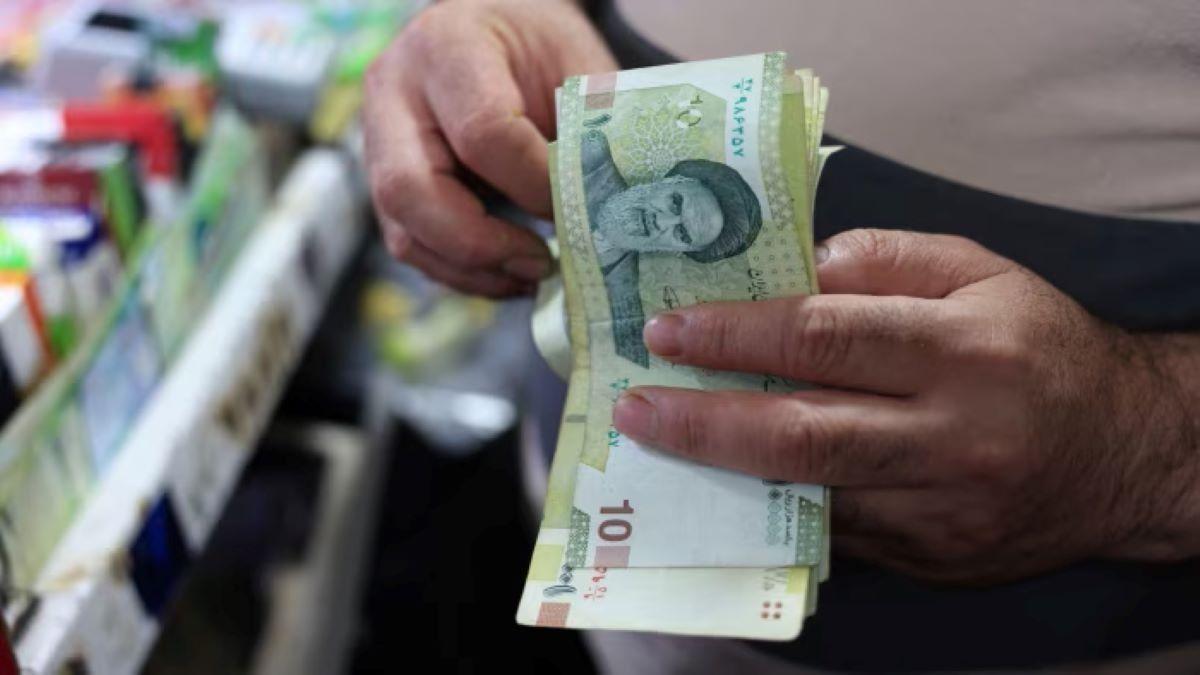
Experts argue that the success of Iran's currency redenomination will depend on more than just the technical execution of the plan. Kurdistan24.net (West Asian) reports that financial discipline, increased banking transparency, and Central Bank independence are crucial for the reform to effectively control inflation. The article draws lessons from past hyperinflation crises in countries like Zimbabwe and Argentina, suggesting that without deep structural reforms, the redenomination alone may not stabilize the economy.
“Experts emphasize that successful currency reform requires more than just changing banknotes. It must be accompanied by strict financial discipline, increased banking transparency, and Central Bank independence.”
Iran's Economic Strategy
The redenomination plan reflects Iran's broader strategy to reduce the economic impact of international sanctions. MarketForces Africa (Other) notes that the Central Bank of Iran will oversee foreign currency exchange rates and currency trading.
This oversight is crucial due to the country's limited access to international financial markets. The plan's success will likely depend on Iran's ability to manage these external economic pressures while carrying out domestic reforms.